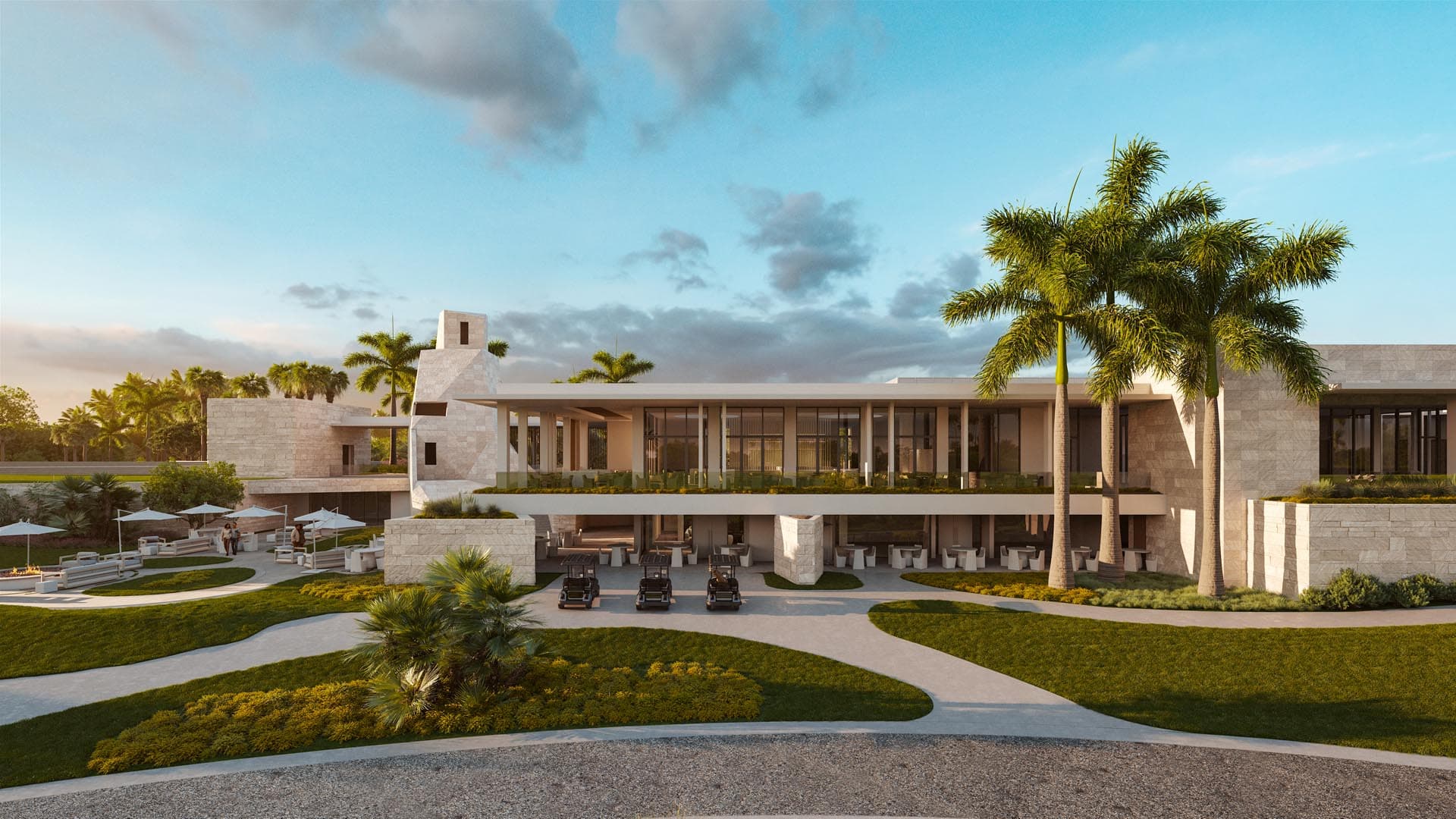
When the first golf shot was struck at Belleair Country Club in 1897, Florida counted fewer than 400,000 residents. Today, the state hosts more than 1,000 golf courses, yet none carries the architectural pedigree of Florida's inaugural golf facility. Donald Ross, who would later design 413 courses across North America, transformed Belleair's rolling terrain along the Intracoastal Waterway into two 18-hole tests that remain among the state's most respected layouts.
Belleair's distinction extends beyond historical precedent. Golfweek ranked it among Florida's Top Four Courses in 2024, a recognition that reflects both Ross's enduring design principles and the club's $75,000 initiation fee positioning it among the state's most exclusive memberships.
Course Overview
| Specification | Course 1 | Course 2 |
|---|---|---|
| Par | 72 | 72 |
| Holes | 18 | 18 |
| Architect | Donald Ross | Donald Ross |
| Opening Year | 1897 | Early 1900s |
| Setting | Intracoastal Waterway | Intracoastal Waterway |
The Architect: Donald Ross
Donald Ross arrived in America from Dornoch, Scotland, in 1899, carrying architectural philosophies shaped by links golf's natural contours. By his career's end in 1948, Ross had established himself as America's most prolific course designer, with his portfolio including Pinehurst No. 2, Oakland Hills, and Seminole Golf Club.
Ross's design methodology emphasized strategic options over forced carries. His courses featured crowned greens that rewarded precise approach shots while penalizing marginal strikes with challenging recovery shots. At Belleair, Ross implemented his signature bunkering philosophy: hazards placed not merely to punish, but to present alternate routes of varying risk and reward.
The Scotsman's influence on American golf architecture extends beyond raw numbers. Ross trained dozens of associates who carried his design principles across the continent. His emphasis on walkable routing, natural drainage, and maintenance efficiency created courses that improved with age rather than requiring constant renovation.
Signature Holes
Ross's Belleair layouts showcase his mastery of variety within constraint. Working with Florida's naturally flat terrain, the architect created elevation changes through strategic mounding and green complexes that transform seemingly straightforward holes into sophisticated strategic puzzles.
The approach shots at Belleair demand particular attention. Ross positioned his greens to accept running shots from specific angles while rejecting approaches from others, regardless of distance. This design philosophy rewards course knowledge and strategic thinking over raw distance.
Water hazards, including proximity to the Intracoastal Waterway, integrate naturally into Ross's routing. Rather than artificial ponds placed for visual impact, these water features emerge organically from the landscape, creating genuine strategic considerations that influence club selection and shot planning.
Practice Facilities
Belleair's practice infrastructure reflects modern expectations while respecting Ross's original design aesthetic. The driving range provides multiple target areas and distance markers, allowing members to calibrate their games before tackling the course's strategic challenges.
Putting greens replicate the crowned surfaces and subtle breaks characteristic of Ross's green complexes. This practice consistency proves essential, as Ross's greens reward specific putting techniques and green-reading skills that differ markedly from contemporary flatter surfaces.
The short game area incorporates various lies and bunker types found throughout both courses. Ross's bunkering style, featuring deeper faces and irregular shapes compared to modern geometric designs, requires specific technique and club selection that benefits from dedicated practice.
Conditioning
Maintaining two Ross courses in Florida's climate presents unique challenges. The club's grounds crew manages Bermuda grass fairways and greens year-round, with overseeding programs that ensure consistent playing surfaces during peak season months.
Drainage, a critical component of Ross's original design, receives particular attention. The architect's routing philosophy emphasized natural water flow, creating courses that remain playable even during Florida's intense rainy seasons. Modern irrigation systems supplement these natural drainage patterns without compromising the original design intent.
Green speeds at Belleair reflect Ross's architectural style. Rather than the extreme velocities common at modern championship venues, Belleair's surfaces roll at speeds that allow Ross's subtle contours to influence putting without creating unplayable conditions.
Rankings and Recognition
Golfweek's 2024 designation of Belleair among Florida's Top Four Courses places it alongside Seminole Golf Club, TPC Sawgrass, and other nationally recognized layouts. This ranking system, which surveys more than 750 course raters, emphasizes architectural merit over conditioning or amenities.
The recognition carries particular significance given Florida's competitive golf landscape. With more than 1,000 golf courses statewide, Golfweek's top-four designation represents the 99.6th percentile of Florida golf facilities.
Ross courses consistently perform well in architectural rankings. Golf Digest's most recent evaluation of Ross layouts found 43 courses among its Top 200 rankings, reflecting the architect's enduring design principles and the restoration work undertaken by clubs committed to preserving his original concepts.
Tournament History
Belleair's tournament history spans more than a century, though comprehensive records from the club's earliest decades remain incomplete. The facility's 36-hole capacity and Ross pedigree positioned it to host significant amateur events throughout Florida's golf development.
The club's proximity to Tampa Bay and its establishment as Florida's first golf course made it a natural venue for early state amateur championships. These tournaments helped establish Florida as a serious golf destination decades before resort courses transformed the state's reputation.
Modern tournament hosting at Belleair focuses on member events and selected amateur competitions that align with the club's private membership model. The Ross layouts provide sufficient challenge for accomplished amateur players while remaining enjoyable for recreational members.
Course Architecture Legacy
Ross's work at Belleair demonstrates principles that influenced American golf architecture for decades. His emphasis on strategic variety, natural aesthetics, and maintenance efficiency created courses that improved rather than deteriorated over time.
The longevity of Ross designs reflects practical considerations often overlooked in contemporary architecture. His routing minimized environmental impact, reduced maintenance costs, and created playing experiences that remained engaging through multiple rounds.
At Belleair, these principles manifest in courses that challenge accomplished players without overwhelming recreational golfers. Ross achieved this balance through strategic options rather than penal design, creating layouts that reward good golf while forgiving occasional poor shots.