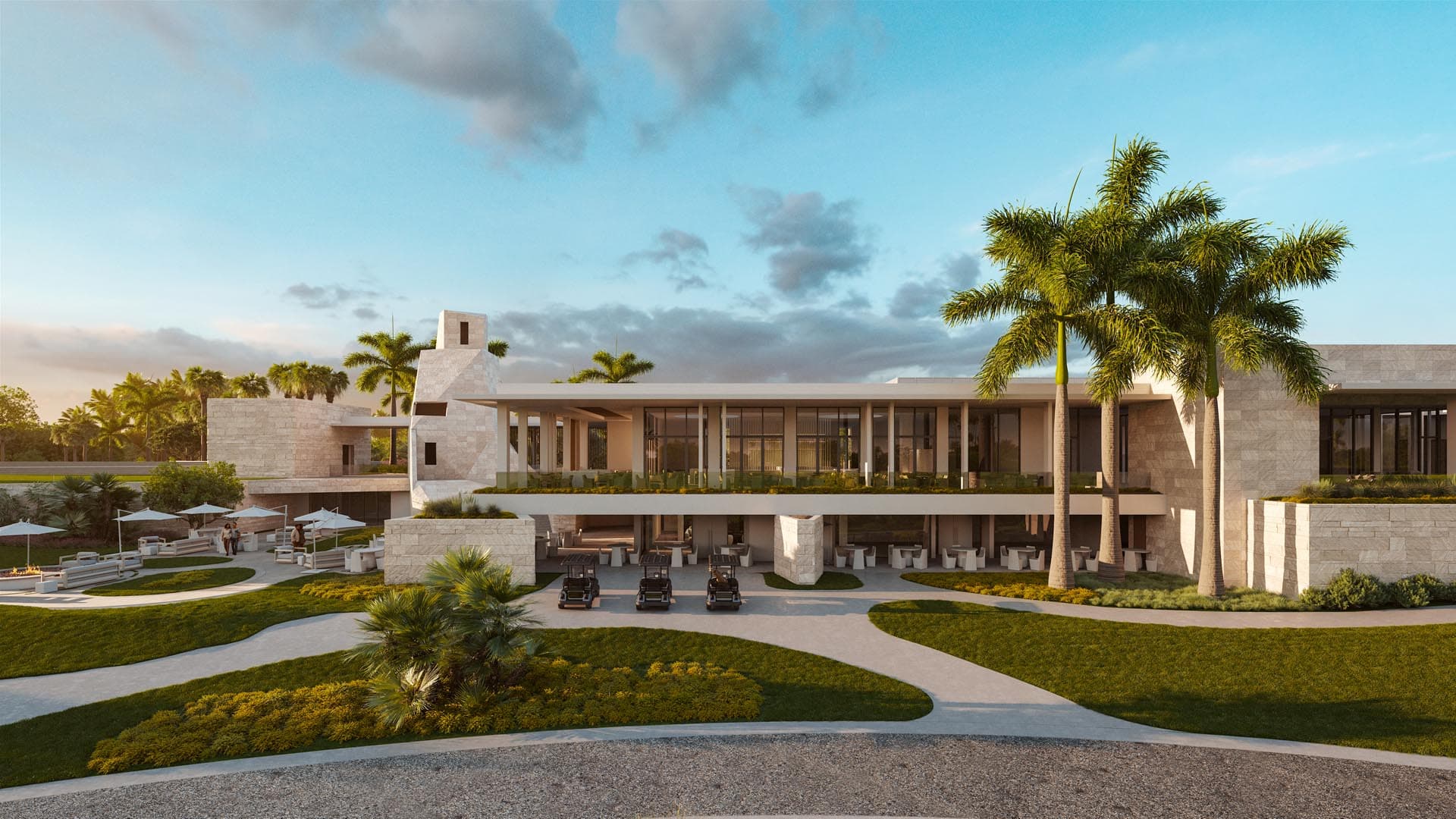
When Brookridge Country Club opened in 1973, it represented architect Bill Amick's vision for accessible championship golf in central Florida. Five decades later, following a comprehensive 2020 renovation, the 6,054-yard, par-72 layout continues to serve as the centerpiece of a 55+ community nestled between Brooksville and Spring Hill in Hernando County.
Course Overview
| Specification | Details |
|---|---|
| Architect | Bill Amick |
| Year Opened | 1973 |
| Most Recent Renovation | 2020 |
| Total Yardage | 6,054 yards |
| Par | 72 |
| Holes | 18 |
| Course Rating | Not specified |
| Slope Rating | Not specified |
| Initiation Fee | $5 |
The Architect: Bill Amick's Florida Legacy
Bill Amick carved his reputation designing golf courses throughout Florida during the state's explosive growth period of the 1960s and 1970s. Working primarily in the era before environmental restrictions significantly altered course construction, Amick created layouts that maximized the natural rolling terrain of central Florida while incorporating strategic water features and strategic bunkering.
Amick's design philosophy emphasized playability over punishment, creating courses that challenged skilled players from the back tees while remaining enjoyable for higher-handicap golfers. His work at Brookridge exemplifies this approach, with multiple tee boxes allowing the course to play anywhere from approximately 5,200 yards to its full championship distance of 6,054 yards.
The architect's Florida courses typically featured generous landing areas off the tee, strategically placed water hazards, and greens complex enough to reward precision without penalizing moderate misses. This design ethos proved particularly suitable for resort and community courses serving diverse playing abilities.
Signature Holes
While specific hole-by-hole details for Brookridge remain proprietary to the club, Amick's design patterns suggest several characteristics likely present throughout the layout. His Florida courses typically incorporated natural water features as both strategic elements and visual amenities, particularly effective in the rolling terrain of Hernando County.
The 2020 renovation likely modernized bunker complexes and updated greens surfaces while preserving Amick's original strategic concepts. Contemporary renovations of 1970s-era Florida courses often focus on improving drainage, updating irrigation systems, and reconfiguring bunkers to modern maintenance standards while maintaining the architect's intended playing angles.
Given the course's role within a residential community, the routing likely emphasizes safety and accessibility while maintaining competitive integrity. The 6,054-yard total suggests a layout balanced between risk and reward, with shorter par-4s allowing aggressive play and longer holes demanding course management.
Practice Facilities
Brookridge maintains a driving range and additional practice facilities to support member development and pre-round preparation. The practice area serves both the club's regular membership and the broader semi-private access model that welcomes outside play.
Practice facilities at community-centered courses like Brookridge typically emphasize convenience and accessibility over extensive short-game complexes found at destination clubs. The facility's integration with the pro shop and clubhouse creates an efficient practice-to-play experience for members managing busy retirement schedules.
Course Conditioning and Maintenance
The 2020 renovation addressed decades of wear while updating infrastructure to modern standards. Contemporary course renovations in central Florida typically focus on improved drainage systems, updated irrigation technology, and conversion to drought-resistant turfgrass varieties suitable for the region's climate challenges.
Brookridge's location in Hernando County provides natural advantages for course conditioning, with rolling terrain offering superior drainage compared to flatter coastal areas of Florida. The elevation changes also create microclimates that can support varied playing conditions throughout the 18-hole routing.
Year-round playability remains essential for courses serving active retirement communities, requiring maintenance practices that balance playing surface quality with operational efficiency. The semi-private model demands consistent conditions to satisfy both member expectations and outside play revenue.
Rankings and Recognition
Brookridge Country Club operates outside the realm of national course rankings, focusing instead on community satisfaction and regional reputation. The course serves as the competitive home for annual club championship tournaments and regular member events.
Semi-private courses like Brookridge often measure success through member retention rates, community integration, and financial sustainability rather than architectural accolades. The 2020 renovation investment demonstrates the club's commitment to maintaining competitive standards within its market segment.
Tournament History
| Tournament | Frequency | Details |
|---|---|---|
| Club Championship Tournament | Annual | Open to regular members |
The club's tournament calendar centers on member events and community competitions rather than regional or state-level tournaments. This focus aligns with the course's primary mission as a community amenity within the Brookridge residential development.
Annual club championships provide competitive outlets for members while maintaining the relaxed atmosphere characteristic of community-centered clubs. The tournament structure likely accommodates multiple flight divisions to ensure competitive equity across varied skill levels.
Community Integration
Brookridge's position within a 55+ community creates unique operational considerations compared to standalone golf facilities. The course serves as both recreational amenity and property value driver for surrounding real estate, requiring balance between golf operations and community relations.
The semi-private model allows community residents priority access while generating additional revenue through outside play. This structure has become increasingly common in Florida's residential golf communities as clubs seek financial sustainability while maintaining community identity.