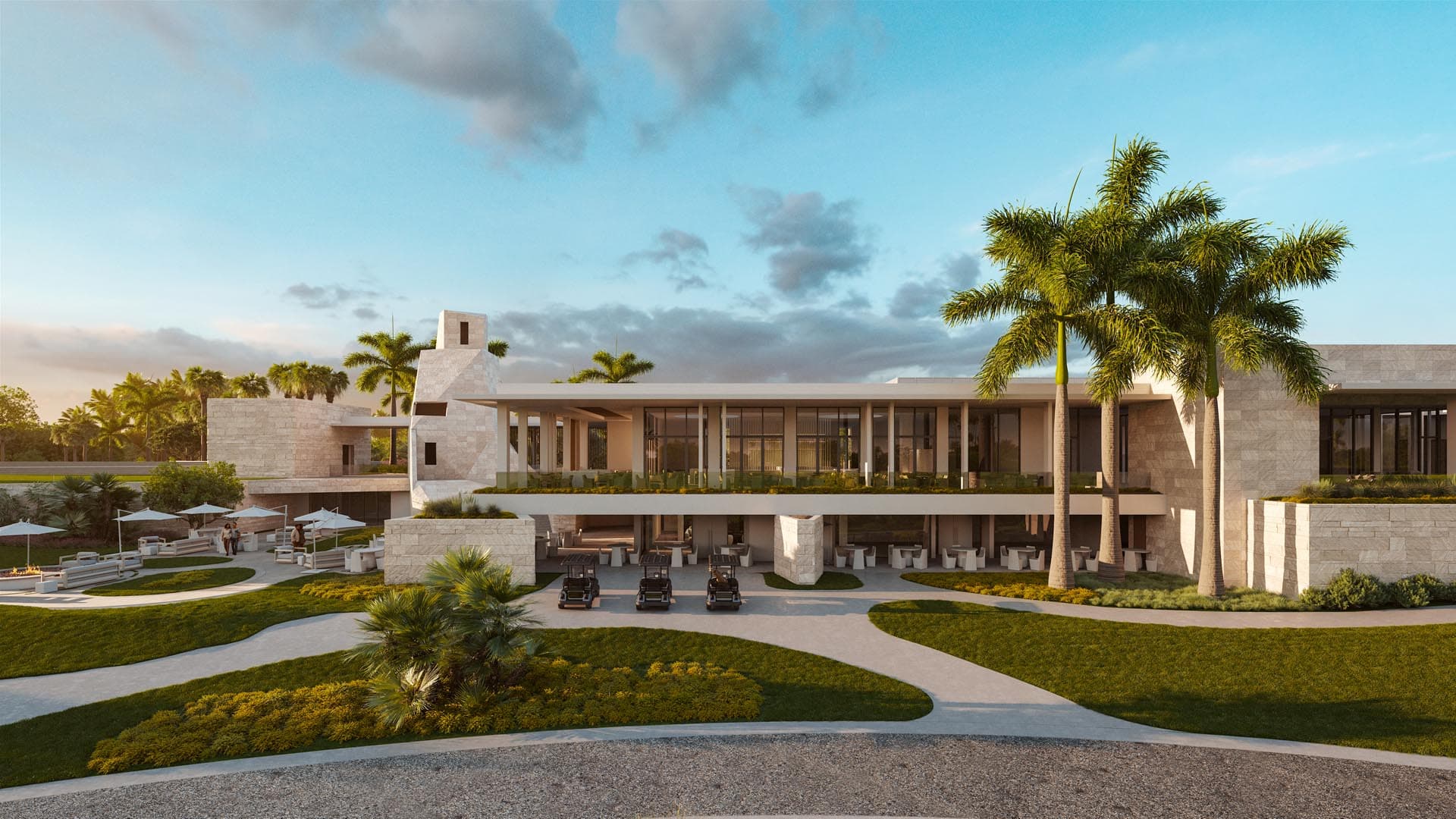
When Canyon Crest Country Club opened its fairways in 1957, the Inland Empire gained a golf course that would endure as one of California's more thoughtful tests of the game. Designed by Olin Dutra, the 18-hole layout stretches 6,658 yards through Riverside's rolling terrain, presenting a slope rating of 131 that demands both precision and course management from its estimated 300,000 members.
The course represents a snapshot of American golf architecture from the late 1950s, when designers emphasized strategic rather than penal design principles. Unlike the target golf that would dominate later decades, Canyon Crest rewards players who can work the ball both ways and think their way around the layout rather than simply overpower it.
Course Overview
| Specification | Details |
|---|---|
| Total Yardage | 6,658 yards |
| Par | 72 |
| Slope Rating | 131 |
| Course Rating | Data not available |
| Architect | Olin Dutra |
| Year Opened | 1957 |
| Playing Season | Year-round |
| Elevation Changes | Moderate |
The Architect: Olin Dutra's Design Philosophy
Olin Dutra approached golf course architecture with the mind of a champion player rather than a trained landscape architect. The son of Portuguese immigrants, Dutra won both the U.S. Open (1934) and PGA Championship (1932) before transitioning to course design in the 1940s and 1950s. His playing experience informed every strategic decision at Canyon Crest.
Dutra's architectural philosophy emphasized what he termed "honest golf" — designs that rewarded good shots and penalized poor ones without resorting to tricks or gimmicks. At Canyon Crest, this translates to wide fairways that narrow strategically near landing areas, greens that accept well-struck approach shots, and hazards placed to catch poorly planned rather than poorly executed shots.
Unlike his contemporary architect peers who often moved massive amounts of earth, Dutra preferred to work with existing topography. Canyon Crest's routing follows the natural contours of the Riverside terrain, creating holes that feel indigenous to their setting rather than imposed upon it. This approach kept construction costs reasonable while producing a layout that has aged gracefully over six decades.
Signature Holes
The Par-4 7th: Strategic Complexity
The 7th hole at Canyon Crest exemplifies Dutra's strategic design principles. At 425 yards, the dogleg-right demands a precisely placed tee shot to set up the optimal angle to a green protected by bunkers on both sides. Players who cut too much corner face trees, while those who play too conservatively leave themselves a longer approach over deeper bunkers.
The green itself slopes subtly from back to front, making pin positions in the front third particularly challenging when approached from the wrong angle. Members report that the hole plays at least one stroke harder when the pin is cut front-left, regardless of wind conditions.
The Par-3 14th: Riverside's Gem
Canyon Crest's signature par-3 stretches 185 yards over a small ravine to a green that appears deceptively large from the tee. The putting surface actually measures just 4,200 square feet — smaller than many modern greens — and features pronounced undulations that can turn a 15-foot putt into a three-putt if misread.
The hole's beauty lies in its simplicity: no bunkers guard the green, but the surrounding slopes funnel errant shots away from the putting surface. Members consistently rate this hole among the most memorable on the course, not for artificial difficulty but for the precision it demands.
Practice Facilities
Canyon Crest's practice facilities reflect the practical approach of 1950s club design. The driving range extends approximately 280 yards with target greens at various distances. While modest by contemporary standards, the range provides adequate space for all skill levels to work on their games.
The short game practice area includes a putting green and basic chipping area. The facilities serve their purpose without pretense — a philosophy that aligns with Dutra's no-nonsense design approach throughout the golf course proper.
Course Conditioning and Maintenance
The Riverside climate allows Canyon Crest to maintain playing conditions year-round, with peak season running from October through May when temperatures moderate and rainfall supports optimal turf growth. The course typically experiences its highest traffic during these months, when the estimated 300,000 members take full advantage of California's winter golf season.
Greens are maintained at stimpmeter readings averaging 9-10 during regular play, increasing to 10-11 for tournaments. The fairways consist primarily of Bermuda grass, which provides excellent playability during Riverside's long, dry summers while requiring minimal water input compared to cool-season alternatives.
Water management represents a critical aspect of course maintenance in the Inland Empire. The facility has invested in efficiency improvements over recent decades, including upgraded irrigation systems and drought-resistant landscaping in non-play areas.
Course Rankings and Recognition
While Canyon Crest may not appear on national ranking lists dominated by resort courses and major championship venues, the layout has earned steady recognition within California golf circles. Local golf publications have consistently included the course among the Inland Empire's top facilities, noting both the strategic interest of Dutra's design and the consistent conditioning standards.
The course's slope rating of 131 places it in the moderately challenging category for recreational golfers while remaining playable for higher handicap members. This balance reflects Dutra's understanding that member clubs must serve players of varying skill levels rather than just accomplished golfers.
Tournament History
Canyon Crest has hosted numerous regional amateur events since opening in 1957, including Southern California Golf Association tournaments and local qualifiers for national championships. The course's design philosophy — rewarding strategic play over pure distance — has consistently produced scoring that reflects true golf ability rather than favorable conditions.
Professional events have been limited, typical for member-owned facilities that prioritize member play over tournament hosting. The course has served as a qualifying site for various PGA Tour events held elsewhere in Southern California, testament to its reputation for fair but demanding golf.
Member tournaments form the backbone of Canyon Crest's competitive schedule. The club championship, held annually since 1958, provides a reliable measure of the course's scoring difficulty. Over six decades, the championship scoring average has remained remarkably consistent, suggesting that Dutra's design has weathered changes in equipment technology while maintaining its fundamental challenge.