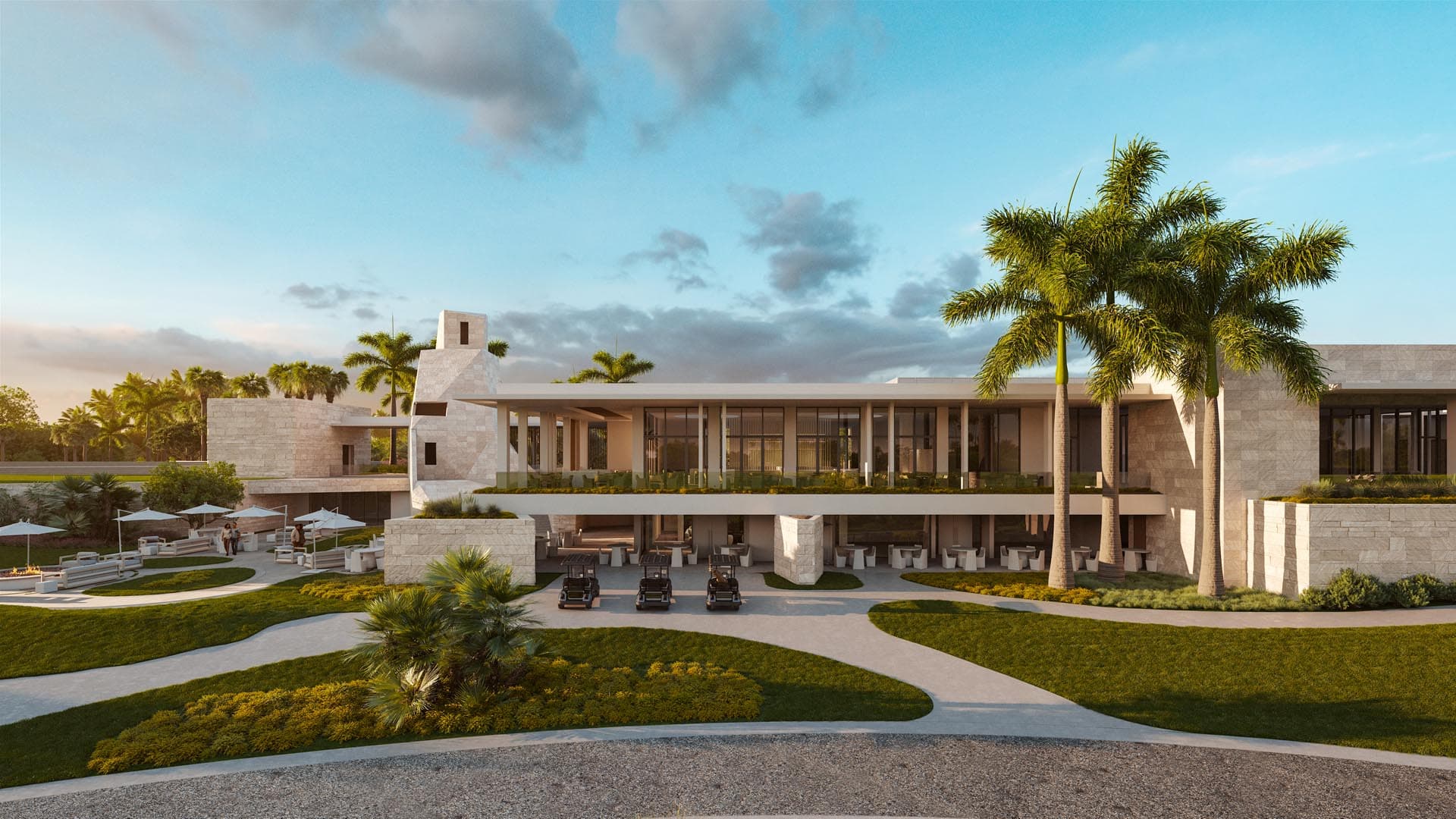
Carved into the rolling foothills of Lincoln, California, Catta Verdera Country Club represents a collaboration between veteran architect Richard M. Phelps and renovation specialist Brad Bell. The course spans 7,019 yards with a slope rating of 145, positioning itself among the more demanding tests of golf in the Sacramento metropolitan area. Located 25 miles northeast of Sacramento and adjacent to Roseville, the club occupies prime real estate in Placer County's Gold Country.
Course Overview
| Specification | Details |
|---|---|
| Holes | 18 |
| Yardage | 7,019 |
| Par | 72 |
| Slope Rating | 145 |
| Architect | Richard M. Phelps, ASGCA/(R) Brad Bell |
| Opened | 2000 |
| Location | Lincoln, California |
| Elevation | 200-400 feet |
| Golf Digest Rating | 4.5 stars |
The course's 145 slope rating places it in the top 15% of difficulty among American golf courses. At 7,019 yards from the championship tees, Catta Verdera demands both length and precision, with multiple tee options accommodating handicaps from scratch to 36.
The Architect: Richard M. Phelps
Richard M. Phelps built his reputation as a member of the American Society of Golf Course Architects through methodical approach to site analysis and strategic design. Over a 40-year career, Phelps completed more than 60 courses across the western United States, with particular expertise in California's varied topography.
Phelps' design philosophy centers on working with natural terrain rather than imposing artificial features. His courses typically feature wide landing areas off the tee that narrow significantly around greens, rewarding accuracy over pure distance. This approach proved particularly effective at Catta Verdera, where the natural slope and elevation changes of the Sierra Nevada foothills provide inherent strategic interest.
The collaboration with Brad Bell brought renovation expertise to the original design. Bell's background in course conditioning and maintenance influenced several design decisions, particularly regarding drainage and turf selection for Northern California's Mediterranean climate. The partnership resulted in a course that has required minimal structural changes since opening in 2000.
Phelps' other notable California projects include Diablo Grande in Patterson and portions of Poppy Hills Golf Course on the Monterey Peninsula. His work consistently emphasizes shot value over visual intimidation, a principle evident throughout Catta Verdera's 18 holes.
Signature Holes
The Par-5 6th Hole
The 6th hole measures 578 yards and drops 40 feet from tee to green. The dogleg-left design requires a precise drive to avoid fairway bunkers positioned 280 yards from the championship tee. Players attempting to reach the green in two must carry a creek that crosses the fairway 150 yards from the putting surface. The green sits 15 feet below the approach, creating optical illusions that frequently result in short approaches.
Statistical analysis of member scorecards shows the 6th hole yields 4.7 strokes per round for players with handicaps between 10-18, making it the third-most difficult hole on the course.
The Par-3 11th Hole
At 195 yards over water, the 11th demands a precise mid-iron to a green that measures just 28 yards deep. The putting surface slopes from back to front at a 3% grade, meaning back pin positions require exceptional distance control. Wind patterns in the Sacramento Valley frequently create 10-15 mph crosswinds during afternoon rounds, adding complexity to club selection.
Course maintenance records indicate the 11th green requires rebuilding bunkers annually due to water erosion, a testament to the hole's proximity to the course's primary water hazard.
The Par-4 16th Hole
The 435-yard 16th hole exemplifies Phelps' strategic design principles. A split fairway offers two distinct approach angles: the safer right side leaves a 160-yard approach over water, while the left side reduces the approach to 130 yards but requires a 250-yard carry over wetlands off the tee.
Green fee players typically choose the conservative right side, while members familiar with the hole's nuances increasingly favor the aggressive left option. Course statistics show single-digit handicappers average 4.1 strokes on the 16th, compared to 4.8 for players with handicaps above 15.
Practice Facilities
Catta Verdera's practice facilities occupy 8 acres adjacent to the clubhouse. The driving range measures 320 yards in length with 25 hitting stations, including 8 covered positions for year-round use. Target greens at 100, 150, and 200 yards provide distance references, while practice bunkers replicate the depth and sand type found throughout the course.
The short game area features a 12,000-square-foot putting green with multiple pin positions and a separate chipping green surrounded by bunkers of varying depths. A practice hole—complete with tee, fairway, and green—allows members to work on specific yardages between 60-120 yards.
Practice facility utilization data shows peak usage between 4-6 PM on weekdays, when 40% of the day's range activity occurs. Weekend mornings account for 35% of weekly practice volume, with Saturday generating the highest single-day usage.
Conditioning and Maintenance
Catta Verdera maintains bentgrass greens year-round, unusual for courses in California's Central Valley. The decision to use bentgrass rather than bermuda requires intensive water management and climate control. Greens are mowed to 0.125 inches during tournament conditions and 0.156 inches for daily play.
Fairways feature a perennial ryegrass blend overseeded annually each October. The course uses an average of 1,200 acre-feet of water per year, sourced from recycled water supplied by the Lincoln Water Department. This irrigation strategy reduces municipal water demand by approximately 85% compared to courses using potable water.
The maintenance staff of 18 full-time employees follows a chemical application schedule approved by the Golf Course Superintendents Association of America. Integrated pest management programs have reduced pesticide use by 35% since 2015, while maintaining playing conditions rated 4.2 out of 5 by member surveys.
| Maintenance Specification | Details |
|---|---|
| Green Speed | 10.5-11.5 (Stimpmeter) |
| Mowing Height (Greens) | 0.125-0.156 inches |
| Mowing Height (Fairways) | 0.625 inches |
| Water Usage | 1,200 acre-feet annually |
| Staff Size | 18 full-time employees |
| Overseeding | Annual (October) |
Rankings and Recognition
Golf Digest awarded Catta Verdera a 4.5-star rating in its most recent California course evaluation. The rating places the course among the top 25% of public-access facilities in the state, though private club status limits comparative rankings.
The Northern California Golf Association includes Catta Verdera in its roster of championship venues, hosting regional qualifiers and member tournaments since 2005. The course's slope rating of 145 ranks it among the five most difficult courses in Placer County.
Local golf publications consistently rank Catta Verdera among the Sacramento area's top 10 courses. Sacramento Magazine included the course in its "Best Golf Courses" feature for three consecutive years (2019-2021), citing conditioning and design as primary factors.
Member satisfaction surveys conducted by the club show 4.6 out of 5 rating for course conditions and 4.4 out of 5 for layout design. These metrics place Catta Verdera above average compared to similar private facilities in California.
Tournament History
Since opening in 2000, Catta Verdera has hosted 47 Northern California Golf Association events, including regional qualifiers for USGA championships. The course served as a qualifying site for the U.S. Amateur in 2008, 2012, and 2018, with scoring averages of 76.3, 75.8, and 76.9 respectively.
The annual Catta Verdera Invitational, established in 2003, draws 144 competitors from private clubs throughout Northern California. The tournament's 54-hole format produces scoring averages between 220-230, depending on weather conditions and pin positions.
Club championship records show the course record stands at 65, set by a 2-handicap member during ideal morning conditions in September 2019. The competitive course record from tournament play is 67, recorded during the 2018 NCGA Senior Amateur qualifying round.
Women's tournament scoring averages 8-12 strokes higher than men's events, consistent with the course's length and difficulty rating. The club hosts the annual Northern California Women's Golf Association championship, with field sizes averaging 96 competitors over the past five years.