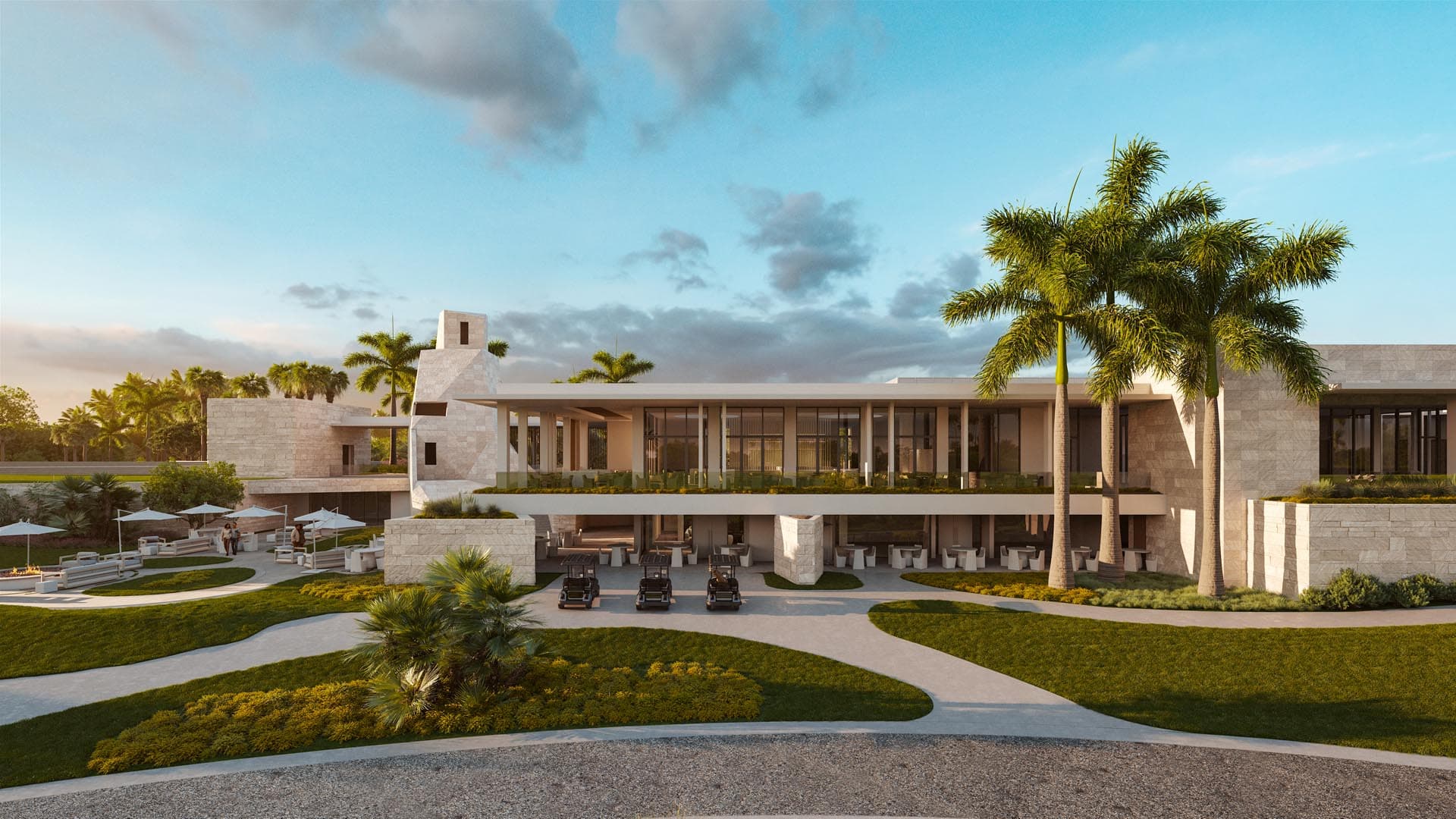
In the crowded landscape of Naples private golf, where 47 private clubs compete for attention, Countryside Golf & Country Club distinguishes itself through architectural pedigree and recent enhancement. The 1985 Arthur Hills design underwent comprehensive renovation in 2019 under Kipp Schulties, creating a course that balances classic strategic principles with contemporary maintenance standards.
The club's 1,133 members — divided between 850 golf and 283 social memberships — enjoy access to an 18-hole layout that reflects both Hills' original vision and modern architectural sensibilities. With initiation fees of $45,000 and invite-only membership, the club occupies the middle tier of Naples' private club hierarchy.
Course Overview
| Specification | Details |
|---|---|
| Architect | Arthur Hills (1985), Kipp Schulties (2019 renovation) |
| Holes/Par | 18 holes, Par 72 |
| Opened | 1985 |
| Renovation | 2019 |
| Membership | 1,133 total (850 golf, 283 social) |
| Setting | Gated community with 34 HOA/condominium associations |
| Initiation Fee | $45,000 |
| Access | Invite only |
The Architect: Arthur Hills' Strategic Philosophy
Arthur Hills designed over 180 golf courses during his 40-year career, establishing himself as a master of strategic architecture who emphasized shot values over artificial difficulty. His designs typically feature wide fairways that narrow near landing areas, rewarding precision over distance. Hills favored subtle elevation changes — a particular asset in flat terrain like Southwest Florida.
The architect's philosophy centered on creating multiple playing options for different skill levels while maintaining strategic interest for accomplished players. His courses rarely relied on water hazards or sand bunkers alone for defense, instead using natural contours and strategic positioning to create challenging shot requirements.
Kipp Schulties, who handled the 2019 renovation, trained under Hills and specializes in restoration projects that honor original architectural intent while incorporating modern agronomic practices. His work at Countryside focused on bunker restoration, drainage improvements, and green surface optimization — elements that enhance playability without altering Hills' strategic framework.
Signature Holes
While specific hole descriptions require on-site analysis, Hills' Naples-area designs typically showcase several recurring themes. His Florida courses often feature strategic water placement that influences club selection rather than creating forced carries. Elevation changes, modest by mountain standards but significant for Florida, create visual interest and affect approach shot angles.
The architect's bunker philosophy emphasized visual intimidation over actual penalty — many Hills bunkers appear more threatening from the tee than they prove from the fairway. This psychological element rewards confident shot-making while providing recovery options for less precise players.
Green complexes in Hills designs feature subtle slopes that reward proper approach shot placement. Rather than creating severe undulations that can produce unfair pin positions, Hills preferred green contours that offer clear preferred entry angles while maintaining reasonable recovery shots from all positions.
The 2019 Schulties renovation likely addressed drainage concerns common to 34-year-old Florida courses while restoring bunker faces and improving green surface conditions. Modern renovation projects typically focus on infrastructure improvements that enhance year-round playability rather than wholesale architectural changes.
Practice Facilities
The club maintains practice facilities appropriate for its membership size and competitive focus. Naples-area private clubs typically feature driving ranges oriented to minimize afternoon sun interference, short game areas with multiple target greens, and practice putting surfaces that replicate on-course green speeds and conditions.
Given the club's 850 golf members, practice facility capacity represents a critical operational consideration. Peak usage periods — typically early morning and late afternoon during season — require sufficient space and target areas to accommodate demand without extended waiting periods.
Professional instruction availability, indicated by golf coaching amenities, suggests dedicated teaching facilities integrated with practice areas. Quality instruction programs often correlate with practice facility design, requiring specific areas for video analysis, club fitting, and structured lesson activities.
Conditioning and Maintenance
The 2019 renovation addressed infrastructure elements critical to year-round conditioning in Southwest Florida's challenging climate. Summer temperatures exceeding 90°F combined with afternoon thunderstorms create maintenance conditions that test even well-designed drainage systems.
Modern renovation projects in Florida typically include subsurface drainage improvements, irrigation system upgrades, and cart path repositioning to minimize wear patterns. These infrastructure investments, while expensive, prove essential for maintaining consistent playing conditions throughout the 12-month Naples golf season.
Bunker renovation work likely included new sand installation, drainage upgrades, and liner systems to prevent contamination during heavy rainfall periods. Quality bunker conditioning requires significant ongoing maintenance investment — a factor that influences overall operational costs and, ultimately, membership fees.
Green surface conditions benefit from modern cultivation practices and improved drainage systems. The transition from original 1985 construction techniques to current standards typically involves extensive subsurface modification, resulting in improved firmness and consistency across varying weather conditions.
Rankings and Recognition
While Countryside does not appear in major national golf publication rankings, its position within Naples' competitive private club market reflects architectural quality and membership satisfaction. The city's 47 private clubs create a demanding environment where course conditions, service standards, and value proposition receive constant member evaluation.
The 2019 renovation investment demonstrates management commitment to maintaining competitive standards within the local market. Significant capital expenditures on course infrastructure typically indicate strong membership support and long-term financial stability.
Regional recognition often comes through member tournament hosting, professional event qualification, and peer club relationships rather than national magazine coverage. These indicators suggest local respect and operational excellence within the Southwest Florida golf community.
Tournament History
Private clubs of Countryside's size and membership composition typically host member tournaments, charity events, and inter-club competitions rather than professional tournaments. The club's 850 golf members provide sufficient participation for comprehensive tournament programs including member-guest events, club championships, and seasonal competitions.
Naples-area private clubs often participate in reciprocal tournament arrangements, allowing members to experience other courses while showcasing their home facility. These relationships indicate club reputation and management quality within the local golf community.
Member tournament participation rates often correlate with course conditions and clubhouse amenities — factors that influence overall membership satisfaction and retention. Successful tournament programs require coordination between golf operations, food service, and member services departments.