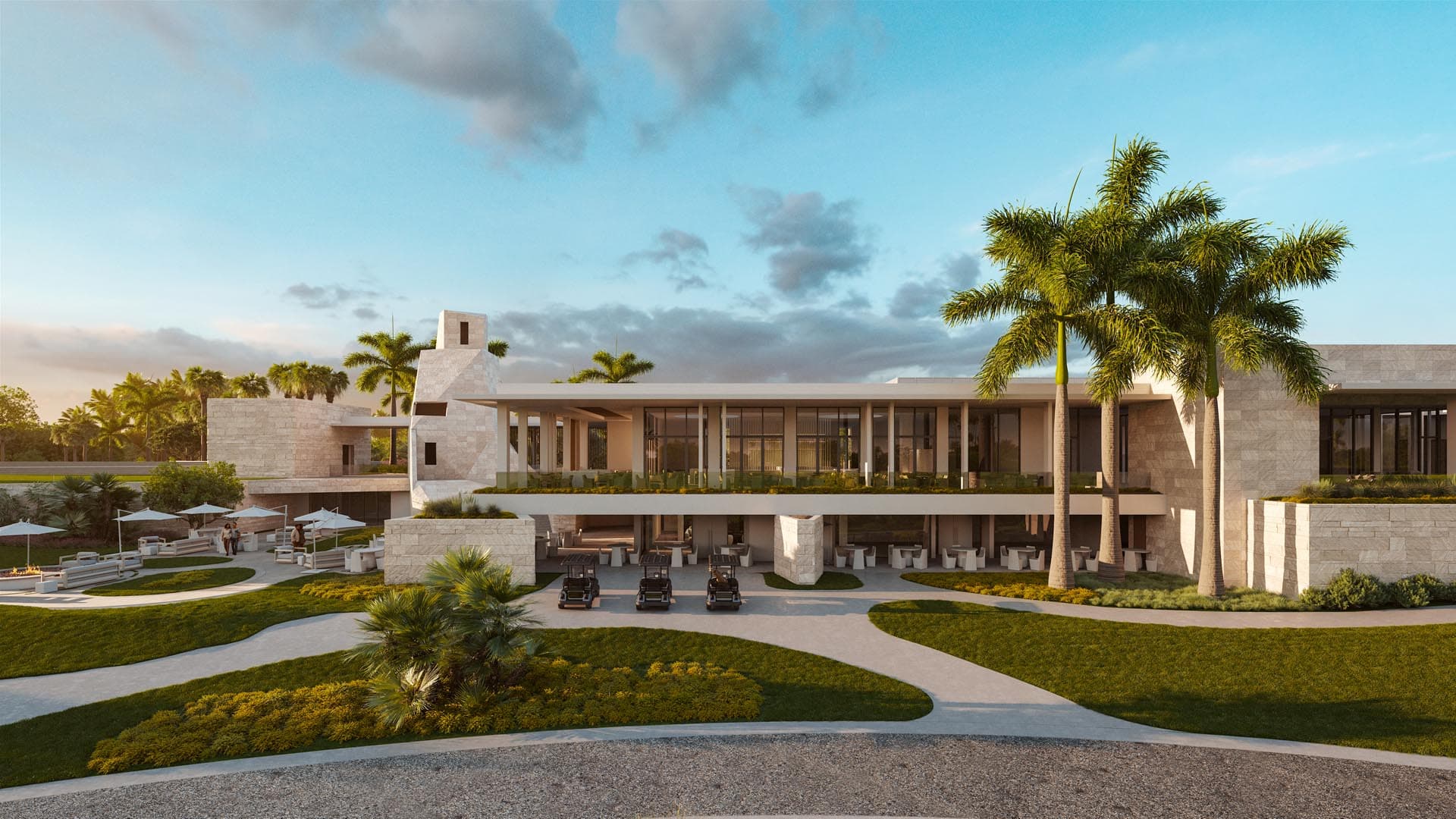
The East Course at Hunters Run Country Club represents a classic example of late-1970s resort architecture now poised for contemporary enhancement. Built in 1979 by the design partnership of Bruce Devlin and Robert Von Hagge, this layout anchors a 54-hole facility within a 990-acre master-planned community in Boynton Beach. With Kipp Schulties Golf Design leading a comprehensive renovation scheduled for 2025, the East Course stands at the intersection of proven architectural bones and modern strategic refinement.
Course Overview
The following specifications reflect the East Course's current configuration, subject to modification during the 2025 renovation:
| Specification | Details |
|---|---|
| Architect | Bruce Devlin & Robert Von Hagge (1979) |
| Renovation Architect | Kipp Schulties Golf Design (2025) |
| Total Holes | Part of 54-hole facility |
| Year Opened | 1979 |
| Location | Boynton Beach, FL |
| Setting | 990-acre master-planned community |
| Practice Facilities | Driving ranges, putting greens, short-game complex |
The Architectural Partnership
Bruce Devlin and Robert Von Hagge formed one of golf architecture's most prolific partnerships during the 1970s and 1980s, completing over 100 courses worldwide. Their collaboration combined Devlin's tournament experience — he won eight PGA Tour events between 1964 and 1982 — with Von Hagge's landscape architecture background and design philosophy emphasizing visual drama.
Von Hagge, who began his career in the 1960s after studying landscape architecture at Michigan State, developed a signature style characterized by bold bunkering, dramatic elevation changes, and strategic water hazards. The partnership's Florida work during this period reflected the era's resort development boom, with courses designed to challenge accomplished players while remaining accessible to resort guests.
Devlin brought Tour-level strategic insights to the partnership. His understanding of scoring angles and risk-reward scenarios influenced routing decisions and hazard placement throughout their collaborative work. The Australian-born professional's input proved particularly valuable in crafting approach shots and short-game challenges that rewarded precision over power.
Their design philosophy at Hunters Run reflected late-1970s architectural trends: strategic bunkering, multiple water features, and generous fairway corridors balanced against precise approach requirements. The partnership dissolved in the early 1980s, but their collaborative work remains influential in Southeast golf design.
Signature Holes
While specific hole details await documentation during the renovation process, Devlin-Von Hagge courses from this period typically featured several architectural hallmarks that likely characterize the East Course:
Strategic Par-5s: The partnership favored three-shot holes with layup zones protected by water or bunkers, forcing players to choose between aggressive lines and conservative positioning. These holes typically offered multiple routes to the green, with risk-reward calculations varying by pin position.
Water-Framed Par-3s: Von Hagge's landscape architecture background influenced dramatic short holes with water carries or lateral hazards. These designs emphasized target golf while providing bailout areas for higher-handicap players.
Dogleg Par-4s: The partnership excelled at creating driving holes where strategic positioning provided advantages for approach shots. Corner bunkers and water hazards typically dictated optimal driving areas, with approach angles varying significantly based on tee shot placement.
Amphitheater Greens: Von Hagge favored putting surfaces with natural gallery areas, creating spectator-friendly holes suitable for tournament play. These greens typically featured multiple pin positions with distinct scoring zones.
The 2025 renovation by Kipp Schulties Golf Design will likely preserve these architectural themes while updating conditioning standards, bunker styles, and strategic elements to match contemporary play patterns.
Practice Facilities
The East Course practice complex includes driving ranges, putting greens, and a short-game area designed to support the 54-hole facility's daily operations. These facilities serve both members and guests across Hunters Run's three courses.
The driving range configuration reflects 1970s design standards with parallel hitting stations and distance markers at 50-yard intervals. Practice putting greens provide varied slopes and speeds consistent with on-course conditions, while the short-game complex includes bunker practice and chipping areas.
During the 2025 renovation, practice facilities may receive updates to accommodate modern instruction methods and equipment fitting. Schulties Golf Design's approach typically emphasizes practice area connectivity with course conditions, ensuring consistent playing surfaces between practice and competitive rounds.
Conditioning and Maintenance
South Florida's subtropical climate provides year-round growing conditions with distinct wet and dry seasons affecting course conditioning. The East Course benefits from sophisticated irrigation systems and drainage infrastructure essential for summer playability during afternoon thunderstorm periods.
Bermuda grass fairways and roughs require intensive summer management programs, while greens surfaces demand daily attention to maintain consistent speeds across varying weather conditions. The 2025 renovation will likely include drainage improvements and updated irrigation technology to enhance conditioning reliability.
Maintenance standards reflect the expectations of a 54-hole facility serving both daily member play and occasional tournament hosting. Seasonal variations in conditioning peak during winter months when visitor play reaches maximum levels.
Rankings and Recognition
Tournament-level conditioning and strategic design elements position the East Course among South Florida's notable resort layouts, though specific rankings await documentation. The Devlin-Von Hagge pedigree provides architectural credibility within the competitive Palm Beach County golf market.
The 2025 renovation by Kipp Schulties Golf Design may elevate the course's standing within regional and national ranking systems. Schulties' recent work at established venues has consistently improved architectural recognition and tournament hosting capabilities.
Tournament History
The East Course's tournament history reflects its role within a multi-course facility designed for member events and occasional outside competitions. Resort-style layouts from this period typically hosted pro-ams, member-guest tournaments, and regional amateur competitions rather than PGA Tour events.
Documentation of specific tournament hosting awaits completion, though the course's design characteristics suggest suitability for competitive play. The 2025 renovation may enhance tournament capabilities through improved spectator areas, updated scoring infrastructure, and modernized practice facilities.