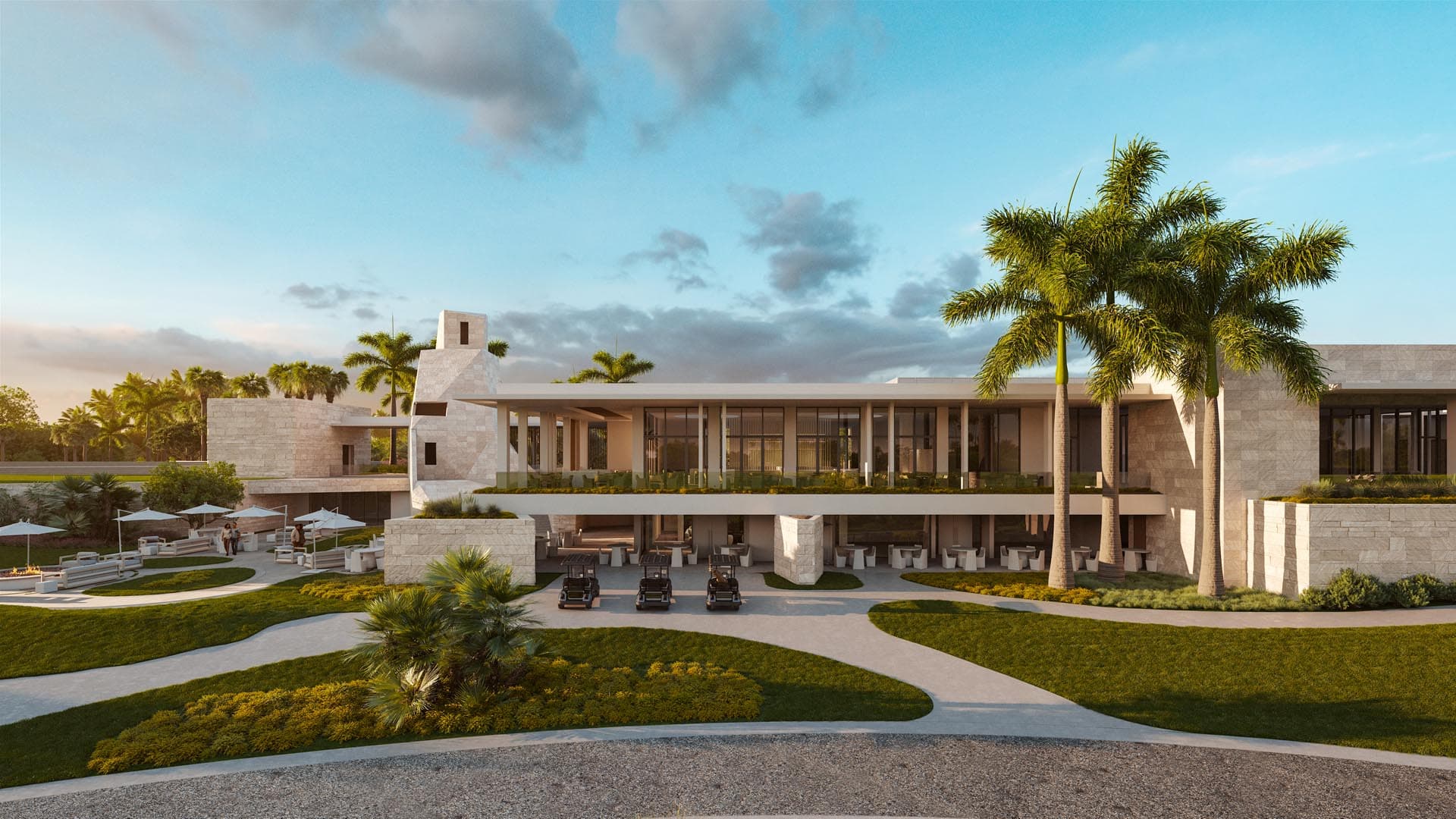
Since 1980, Avila Golf & Country Club has occupied rarefied air among Tampa's private club landscape. With initiation fees of $65,000 and annual dues of $6,500, Avila operates on an invite-only basis, maintaining exclusivity within its gated community setting.
At a Glance
| Founded | 1980 |
|---|---|
| Location | Tampa, Florida |
| Architect | Jack Nicklaus |
| Course Details | 18 holes, Par 72, 7,005 yards |
| Initiation Fee | $65,000 |
| Annual Dues | $6,500 |
| Membership | Invite Only |
| Tennis Courts | Har-Tru clay courts |
| Fitness Center | 7,000 square feet |
The Club
Avila Golf & Country Club represents Tampa's commitment to championship-caliber private club amenities. The club's Mediterranean-style clubhouse anchors operations that span golf, tennis, fitness, dining, and spa services. Founded 44 years ago, Avila has maintained its position through selective membership policies that ensure member satisfaction ratios remain high.
The invite-only structure eliminates traditional waitlist management, instead relying on existing member sponsorship for new admissions. This approach has sustained membership stability while maintaining the exclusivity that justifies premium pricing in Tampa's competitive private club market.
The Course
Jack Nicklaus designed Avila's championship course to stretch 7,005 yards from the championship tees, making it one of Tampa's longer private club layouts. The par-72 design incorporates Florida's natural topography while providing strategic challenges that have attracted serious golfers for over four decades.
The Nicklaus signature becomes evident in the course's emphasis on shot placement over pure distance. Multiple tee configurations accommodate player skill levels, with forward tees reducing total yardage for recreational players while maintaining the course's strategic integrity.
Practice facilities include a driving range, short-game areas, and a golf simulator facility. These amenities support both casual play and serious game improvement, addressing diverse member priorities within the club's golf operations.
Course maintenance standards reflect the premium dues structure, with conditions that support year-round play in Florida's climate. The investment in course infrastructure has sustained playing conditions that match the course's championship pedigree.
Beyond the Course
Avila's amenity portfolio extends well beyond golf, reflecting member preferences for comprehensive club experiences. The 7,000-square-foot fitness center includes group fitness classes spanning yoga, Pilates, and strength training, plus personalized training programs for members seeking individualized fitness protocols.
Tennis operations utilize Har-Tru clay courts, a surface preference that distinguishes Avila from clubs using hard courts or synthetic surfaces. Clay courts require higher maintenance investment but provide playing characteristics preferred by serious tennis players.
| Amenity | Details |
|---|---|
| Fitness Center | 7,000 square feet with group classes |
| Tennis | Har-Tru clay courts |
| Spa Services | Expert therapists, holistic therapies |
| Pool | Swimming facility |
| Kids Programs | Junior golf and tennis instruction |
Dining operations center on the Mediterranean-style clubhouse, where award-winning chefs prepare both fine dining and casual fare. Private wine tastings and themed dinners supplement regular dining service, creating additional value for members who utilize the club for entertainment.
Spa services employ expert therapists offering massage techniques and holistic therapies. This wellness component addresses member demand for comprehensive lifestyle amenities beyond traditional golf and tennis offerings.
Membership
The invite-only membership structure eliminates public applications, instead requiring existing member sponsorship for admission consideration. This approach maintains community cohesion while ensuring new members align with established club culture.
At $65,000 initiation plus $6,500 annual dues, Avila's pricing reflects Tampa's premium private club market. These fees position the club among Florida's higher-tier facilities, though below ultra-exclusive destinations that command six-figure initiation fees.
Membership categories likely include golf, social, and junior classifications, though specific details remain private. The club's comprehensive amenity structure supports various member priorities, from serious golfers to families utilizing tennis, fitness, and dining facilities.
Kids programs include junior golf and tennis instruction, addressing family-oriented members who seek developmental opportunities for children. Expert-led instruction provides structured learning environments that justify membership investments for family-focused members.
Location & Access
Tampa's geographic position provides year-round playing conditions that maximize membership value. The gated community setting ensures security and privacy while maintaining convenient access to Tampa's business and residential areas.
Florida's absence of state income tax enhances the value proposition for high-net-worth individuals who comprise Avila's target membership demographic. This tax advantage, combined with year-round golf weather, attracts both full-time residents and seasonal members.
The club's location within an established gated community provides additional real estate value for members who choose to live adjacent to club facilities. This residential component creates deeper community ties among members who interact beyond club activities.
Proximity to Tampa's business centers supports member convenience for those who conduct business in the metropolitan area. The location facilitates both business entertainment and personal recreation without extensive travel requirements.
Recognition
While specific awards data remains private, Avila's 44-year operational history and Nicklaus design pedigree suggest consistent recognition within Florida's private club community. The invite-only membership structure indicates sustained demand that validates the club's market position.
Jack Nicklaus's reputation as both champion golfer and course architect provides inherent credibility for the course design. Nicklaus-designed courses typically maintain higher resale values and member retention rates compared to lesser-known architects.
The club's premium pricing structure in Tampa's competitive market suggests recognition among high-net-worth individuals who prioritize quality over value. Sustained operations at current fee levels indicate successful market positioning.
Member retention data, while private, likely reflects satisfaction levels that support the club's exclusive positioning. High-quality private clubs typically maintain low member turnover, indicating successful amenity delivery.