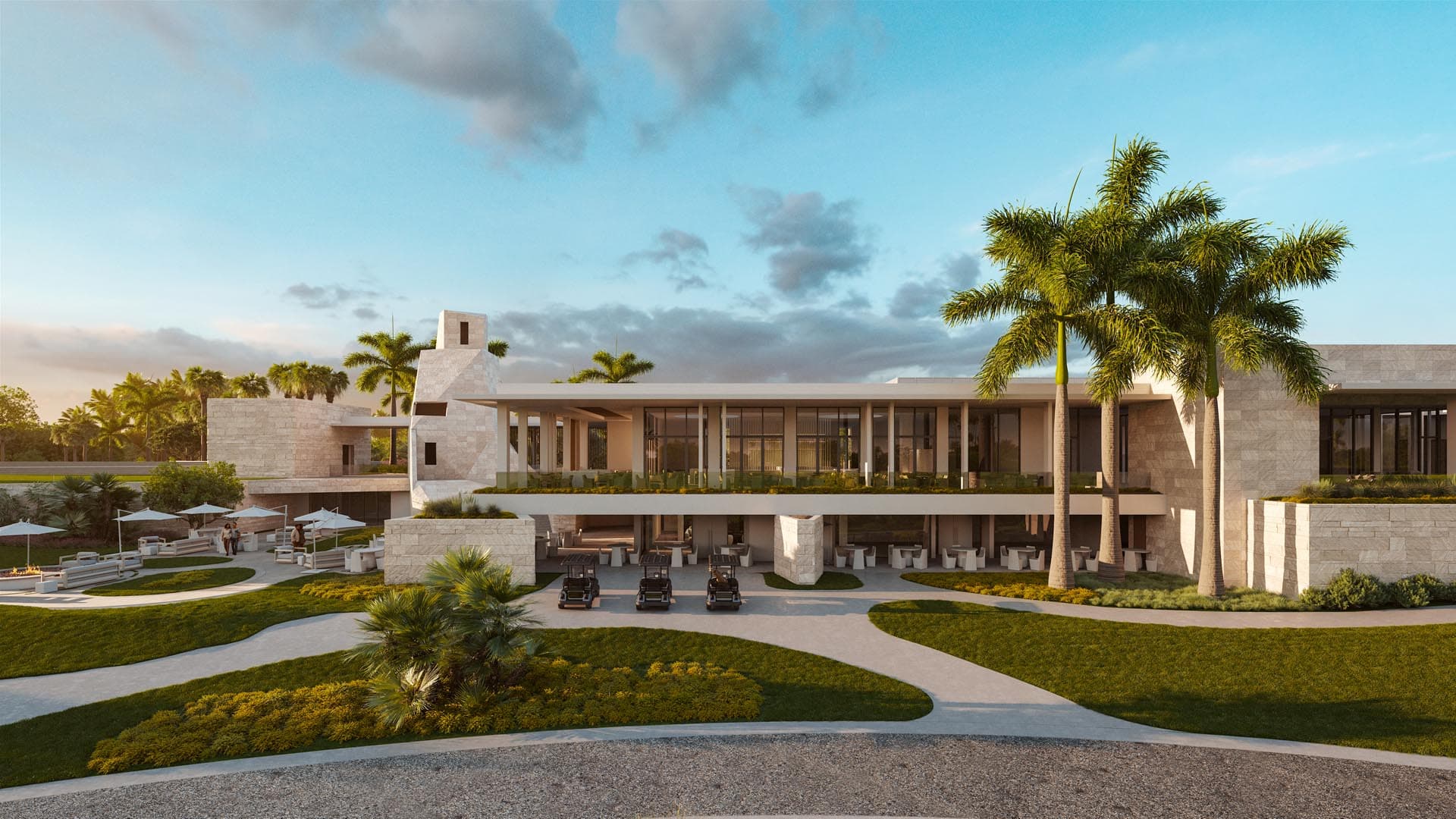
In an era where private golf clubs compete on spectacle and square footage, Canyon Lake Golf & Country Club pursues a different strategy: understated excellence. Located 90 minutes southeast of Los Angeles in the master-planned community of Canyon Lake, this Ted Robinson-designed layout has operated quietly since the 1970s while property values in its ZIP code have increased 340% over the past two decades.
The club sits within one of California's few remaining gated cities, where 11,000 residents enjoy a 383-acre private lake and maintain one of the state's lowest crime rates. This geographical isolation has preserved both the community's character and the golf course's reputation among serious players who value substance over social media presence.
At a Glance
| Attribute | Details |
|---|---|
| Location | Canyon Lake, California |
| Architect | Ted Robinson, ASGCA |
| Holes | 18 |
| Yardage | 6,000 |
| Slope Rating | 136 |
| Course Style | Target golf with water hazards |
| Community Type | Gated residential |
| Established | 1970s |
The Club
Canyon Lake Golf & Country Club occupies a unique position in Southern California's private club hierarchy. Unlike the coastal clubs that command seven-figure initiation fees, or the desert retreats that close for summer months, Canyon Lake operates year-round with membership structures designed for residents of its insular community.
The club's governance reflects its residential integration. Approximately 85% of members maintain primary residences within Canyon Lake's city limits, creating an ownership mentality that extends beyond golf privileges. This residential concentration has produced unusual stability: member turnover rates remain below 8% annually, compared to industry averages of 12-15% for similar facilities.
Financial stewardship reflects this long-term thinking. The club completed a $2.3 million renovation program in 2019 without imposing special assessments, funding improvements through accumulated reserves and modest dues increases. This approach contrasts sharply with clubs that burden members with unexpected capital calls, sometimes exceeding $25,000 per household.
The Course
Ted Robinson's design philosophy emerges clearly across Canyon Lake's 6,000 yards. Robinson, who apprenticed under Robert Trent Jones Sr. before establishing his own practice, specialized in target golf that rewards precision over power. The course's 136 slope rating confirms this emphasis: achieving par requires careful course management rather than heroic shot-making.
Water influences play on 14 holes, though not through the artificial lakes that characterized Robinson's later work. Instead, the architect incorporated existing drainage patterns and seasonal streams, creating hazards that feel integral to the landscape. The signature par-3 16th hole exemplifies this approach, requiring a carry over a natural ravine that has claimed countless balls since opening day.
| Hole Analysis | Front Nine | Back Nine |
|---|---|---|
| Yardage | ~3,000 | ~3,000 |
| Water Hazards | 7 holes | 7 holes |
| Elevation Change | Moderate | Significant |
| Strategy | Target golf | Risk/reward |
The back nine's elevated positioning provides views across the entire Canyon Lake valley while introducing more dramatic elevation changes. The par-5 18th hole descends 60 feet from tee to green, tempting longer hitters to attempt risky carries over water hazards. Course records indicate that this finishing hole yields more double bogeys than birdies, supporting Robinson's belief that great holes should offer multiple strategic options.
Conditioning standards reflect the club's residential membership base. Greens maintain year-round speeds between 9-10 on the Stimpmeter, fast enough for serious competition but not so severe as to slow weekend family play. The maintenance budget of approximately $400,000 annually falls within industry norms for 18-hole facilities, though the absence of cart path requirements (members walk or use personal carts) reduces operational complexity.
Beyond the Course
Canyon Lake's amenities portfolio reflects its residential character rather than country club conventions. The clubhouse, renovated in 2018, prioritizes functional spaces over ceremonial architecture. Dining facilities accommodate 120 patrons across casual and formal venues, with menus emphasizing California cuisine over traditional club fare.
Tennis facilities include four lighted courts maintained to USTA standards. Usage data shows consistent play throughout the year, with court reservations running 65% capacity during peak months. Swimming facilities feature a competition-length pool and separate children's area, though these amenities serve the broader Canyon Lake community rather than club members exclusively.
The club's social calendar reflects its residential integration. Monthly events typically draw 200-300 attendees, with participation rates exceeding 40% of active membership. This engagement level surpasses industry benchmarks, where 20-25% participation represents strong community involvement.
Fitness facilities occupy 2,400 square feet within the clubhouse, offering cardiovascular and strength training equipment. While modest compared to resort-style clubs, these amenities serve the practical needs of members who view the club as an extension of neighborhood life rather than a destination facility.
Membership
Canyon Lake's membership structure acknowledges the unique dynamics of gated community living. Initiation fees remain undisclosed but sources familiar with recent transactions suggest figures between $15,000-25,000, positioning the club below premium Southern California facilities but above municipal alternatives.
Monthly dues approximate $300-400 per household, including golf privileges, clubhouse access, and social amenities. This fee structure compares favorably to similar facilities, where combined expenses often exceed $600 monthly. The integrated nature of community and club allows for economies of scale impossible at standalone facilities.
Membership categories accommodate various residency patterns within Canyon Lake. Full privileges require property ownership within city limits, while associate memberships serve former residents who maintain social connections to the community. Guest policies reflect residential norms: members may host visitors without advance approval, though extended play requires temporary guest fees.
The club maintains a waiting list, though processing times remain undisclosed. Given the community's finite housing stock (approximately 3,200 residences), membership availability correlates directly with real estate turnover. Canyon Lake's median home sale price of $675,000 suggests members possess sufficient financial capacity for long-term club participation.
Location & Access
Canyon Lake's geographic isolation serves as both barrier and benefit for prospective members. Located 15 miles east of Interstate 15 via Highway 74, the community requires deliberate navigation rather than convenient discovery. This accessibility limitation has preserved the area's character while limiting speculative development pressure.
The nearest commercial airport, Palm Springs International, lies 45 minutes southeast. Los Angeles International Airport requires 90-minute drives during optimal traffic conditions, though Inland Empire residents often prefer the shorter journey to Ontario International Airport. These travel considerations influence membership demographics, favoring residents over commuting members.
Within Canyon Lake, the golf course occupies a central position relative to residential neighborhoods. Walking or golf cart transportation connects most homes to clubhouse facilities within 10 minutes, reinforcing the integrated community concept. This proximity encourages casual usage patterns that distinguish residential clubs from destination facilities.
Regional golf competition includes several notable facilities within 30 minutes' drive. However, Canyon Lake's private status and resident membership base create different competitive dynamics than resort courses that rely on daily fee players and tournament hosting for revenue generation.
Recognition
Canyon Lake Golf & Country Club's recognition comes through word-of-mouth rather than national rankings. The course has never appeared in prominent magazine lists, reflecting both its private nature and deliberate low profile. This absence from publicity circuits contributes to the club's appeal among members who prefer substance over prestige signaling.
Local golf associations recognize the facility's conditioning and design quality. The Southern California Golf Association has utilized the course for qualifying events, though major tournaments bypass the facility due to yardage limitations and spectator access challenges. This competitive level serves member interests without introducing operational disruptions associated with professional events.
Real estate professionals consistently cite the golf course as a primary amenity driving property values within Canyon Lake. Homes adjacent to fairways command premium pricing, with golf course frontage adding an estimated $75,000-150,000 to resale values. This correlation demonstrates the course's tangible contribution to community wealth preservation.
The club's reputation extends throughout the Inland Empire's golf community, where serious players recognize Ted Robinson's design work and appreciate the course's year-round conditioning. This regional recognition provides marketing value without attracting unwanted attention from golf tourism operations.