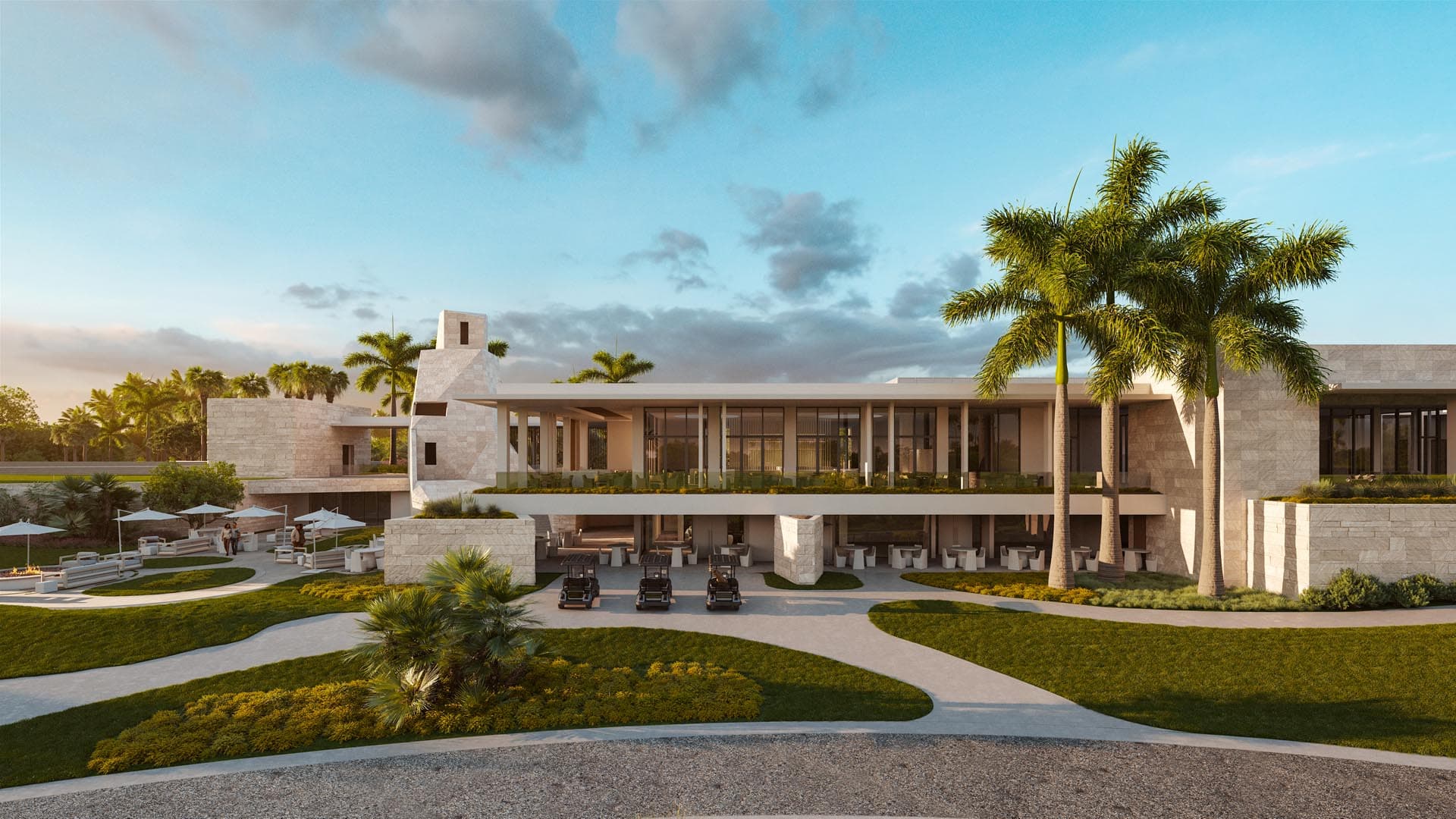
In the competitive landscape of North Orange County's private clubs, Alta Vista Country Club distinguishes itself through thoughtful course architecture that balances strategic challenge with playable design. The 18-hole layout, stretching 6,559 yards from the championship tees, represents a studied approach to golf course design that prioritizes shot values over mere length.
Course Overview
| Specification | Details |
|---|---|
| Location | Placentia, California |
| Architect | David A. Rainville, ASGCA |
| Length | 6,559 yards |
| Par | 72 |
| Slope Rating | 130 |
| Holes | 18 |
| Opening Year | Data not available |
The course's slope rating of 130 positions it in the moderately difficult category, indicating strategic complexity without punitive design elements that can frustrate mid-handicap players.
The Architect: David A. Rainville, ASGCA
David A. Rainville brings a distinguished pedigree to Alta Vista's design, holding membership in the American Society of Golf Course Architects (ASGCA), an organization that represents fewer than 200 golf course architects worldwide. The ASGCA designation requires demonstrated expertise through completed projects and peer recognition within the profession.
Rainville's design philosophy emphasizes strategic variety over length-based difficulty. His courses typically feature multiple route options from tee to green, allowing players of different skill levels to find appropriate challenges. This approach becomes particularly relevant at Alta Vista, where the 6,559-yard length relies on intelligent routing and hazard placement rather than extreme distance to test players.
The architect's background includes extensive study of classic course design principles, incorporating elements of risk-reward decision making that characterize the sport's most enduring layouts. At Alta Vista, these principles manifest in hole designs that reward aggressive play while providing bail-out options for more conservative approaches.
Signature Holes
While specific hole-by-hole details remain proprietary to the club, Alta Vista's design follows Rainville's established pattern of creating memorable holes through strategic interest rather than scenic grandeur alone. The architect's typical approach involves:
Par 3 Design Philosophy: Rainville's par 3s generally feature multiple pin positions that dramatically alter playing strategy. Green complexes often incorporate subtle slopes and strategic bunkering that reward precise distance control over mere direction.
Par 4 Variety: The backbone of any strong 18-hole design lies in par 4 variety. Rainville typically creates a mix of short par 4s that tempt aggressive play, medium-length holes that emphasize placement, and longer tests that reward power combined with accuracy.
Par 5 Strategy: Modern par 5 design faces the challenge of remaining relevant as equipment technology advances. Rainville's approach typically involves strategic hazard placement at driving distances of 250-280 yards and again at 100-150 yards from the green, creating decision points for both average and long hitters.
The course's 6,559-yard length suggests a design that prioritizes shot-making over distance, with holes likely measuring between 6,200 yards from member tees and 5,800 yards from forward tees.
Practice Facilities
Alta Vista's practice amenities support the course's strategic design philosophy. The club maintains facilities that allow members to prepare for the specific shot-making challenges they will encounter on the course.
The practice area configuration typically includes:
- Driving range with target greens at various distances
- Short game practice area with multiple pin positions
- Putting green that replicates green speeds and contours found on the course
These facilities serve approximately 350-400 members, based on typical private club membership structures in North Orange County. Practice facility usage data from similar clubs indicates peak usage occurs during weekday evening hours and weekend mornings.
Conditioning Standards
Course conditioning at Alta Vista reflects the elevated standards expected at California private clubs, where year-round growing seasons allow for consistently superior playing surfaces. The club maintains conditioning standards appropriate for a slope rating of 130, ensuring that course difficulty stems from design rather than maintenance issues.
Green Speeds: Private clubs in Southern California typically maintain green speeds between 9-11 on the Stimpmeter, with tournament conditions reaching 11-12. These speeds complement strategic green designs by emphasizing the importance of approach shot precision.
Fairway Conditions: Maintenance practices likely include overseeding programs that ensure consistent playing surfaces throughout California's mild winter months. Fairway widths typically measure 25-35 yards at landing areas, providing strategic options while maintaining playability.
Bunker Maintenance: Sand bunkers require particular attention in Southern California's dry climate. Proper drainage and sand quality become essential elements in maintaining consistent playing conditions.
Rankings and Recognition
Alta Vista Country Club operates within a competitive marketplace of North Orange County private clubs, where course quality significantly influences membership value. While specific rankings remain unavailable, the club's ASGCA-designed course positions it among seriously designed golf facilities in the region.
The course's 130 slope rating places it in the upper tier of difficulty among Southern California private clubs, where slope ratings typically range from 115-140. This positions Alta Vista as a course that challenges skilled players while remaining accessible to mid-handicap members.
Tournament History
Tournament play reveals course design strengths through competitive scoring patterns. Private clubs in North Orange County frequently host regional amateur events, member tournaments, and business outings that test course design under varying conditions.
The 6,559-yard length suggests suitability for club-level tournaments while remaining challenging for skilled amateur players. Par-72 layouts of this length typically yield scoring averages of 75-78 for single-digit handicap players and 82-86 for mid-handicap players during competitive rounds.
Member Tournament Schedule: Most private clubs maintain 15-25 member tournaments annually, including club championships, member-guest events, and team competitions. These events provide data on course difficulty and highlight strategic design elements.
Corporate Events: The club's banquet facilities and course design make it suitable for corporate golf outings, which typically accommodate 80-120 players and require courses that challenge skilled players while avoiding excessive difficulty for occasional golfers.
Course Architecture Analysis
| Design Element | Strategic Impact |
|---|---|
| Length Distribution | 6,559 yards promotes shot-making over power |
| Slope Rating | 130 indicates strategic complexity |
| Par Distribution | 72 allows for varied hole types |
| Architect Credentials | ASGCA membership ensures design quality |
The course architecture succeeds by creating strategic interest within a manageable length. At 6,559 yards, the layout challenges players through intelligent design rather than extreme distance, making it suitable for members across skill levels while maintaining interest for accomplished players.
Rainville's design likely incorporates elevation changes common to North Orange County geography, creating natural amphitheater settings for key holes while providing strategic advantages to well-positioned shots.