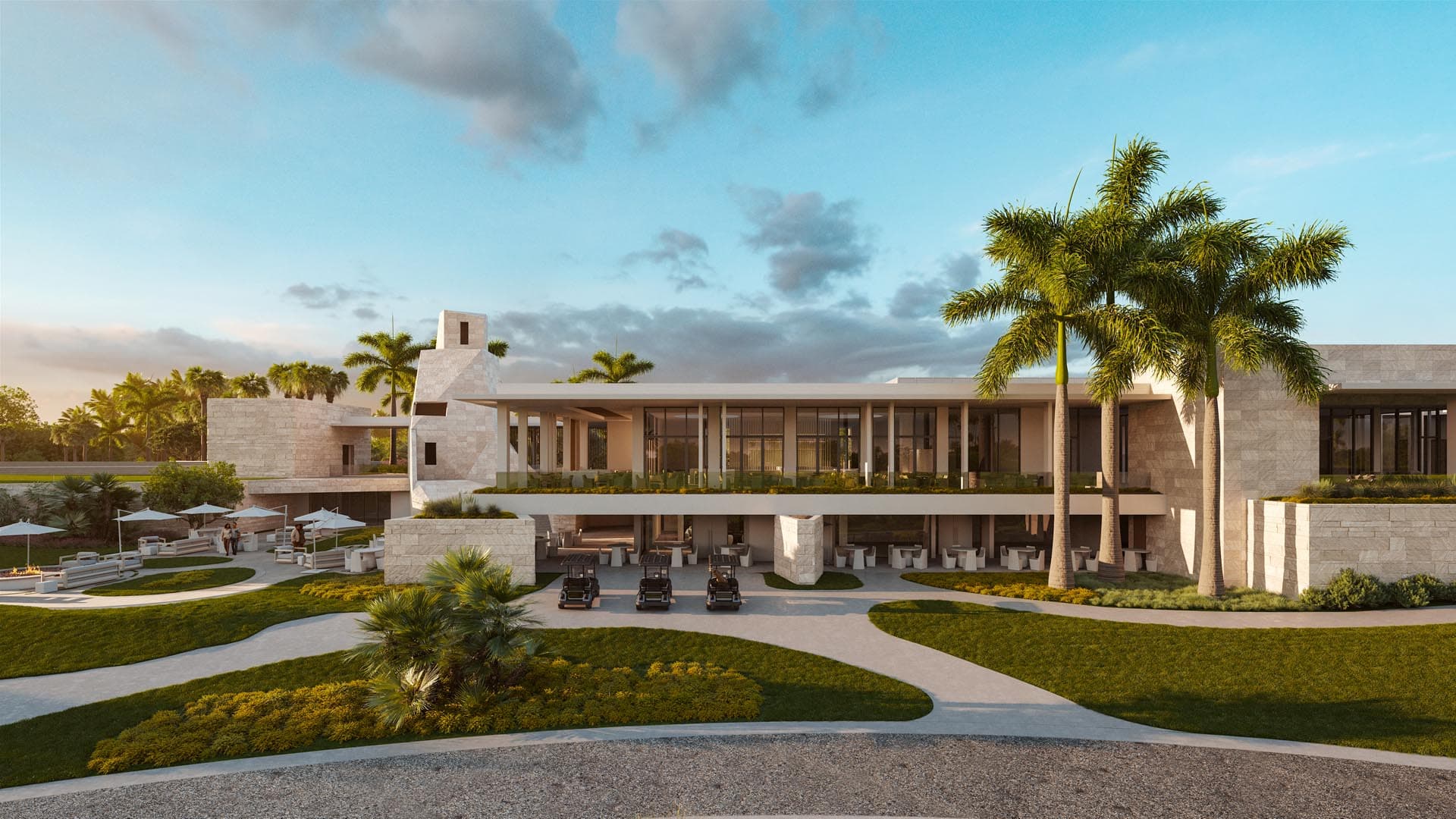
La Quinta's newest championship golf course opened in 2023 as Andalusia Country Club, marking Rees Jones' latest desert masterpiece in the Coachella Valley. The 7,521-yard layout stretches across 160 acres at the base of the Santa Rosa and Coral Mountains, where Jones employed his signature strategic design philosophy to create what early reviews suggest may become the desert's most demanding test of golf.
The course represents Jones' 14th design in California and his third in the Coachella Valley, following extensive renovations at nearby clubs. With a slope rating of 140 from the championship tees, Andalusia immediately establishes itself among the region's most challenging layouts, exceeding the slope ratings of established desert classics like PGA West's Stadium Course (142) and The Bear's Club at Desert Mountain (138).
Course Overview
| Specification | Details |
|---|---|
| Total Yardage | 7,521 yards (championship tees) |
| Par | 72 |
| Slope Rating | 140 |
| Course Rating | Not yet established |
| Architect | Rees Jones, ASGCA |
| Opening Year | 2023 |
| Holes | 18 |
| Elevation Change | Approximately 120 feet |
| Water Features | 6 holes with water hazards |
| Bunkers | 78 strategically placed |
The Architect: Rees Jones
Rees Jones stands among golf's most prolific course architects, with more than 100 original designs and 200+ renovations spanning five decades. The son of legendary architect Robert Trent Jones Sr. and brother to Robert Trent Jones Jr., Rees has carved his own distinct path in golf design, earning recognition as "The Open Doctor" for his major championship course preparations.
Jones' portfolio includes 40+ courses that have hosted major championships, including Congressional Country Club (U.S. Open), Bethpage Black (U.S. Open), and Hazeltine National (U.S. Open, PGA Championship). His design philosophy emphasizes strategic options that reward precise shot-making while providing alternative routes for players of varying abilities.
The architect's approach to desert golf differs markedly from target-style layouts common in the Southwest. Jones integrates natural desert features as strategic elements rather than mere hazards, creating corridors that flow naturally through the landscape. His desert courses typically feature wider fairways than his parkland designs, accounting for firm conditions and desert winds, but maintain his signature emphasis on approach shot angles and green complexes that demand precision.
At Andalusia, Jones collaborated with environmental consultants to preserve 40% of the site's native desert vegetation, incorporating mature palo verde trees, desert ironwood, and established ocotillo stands into the playing corridors. The routing minimizes elevation changes while maximizing mountain vistas, with 12 holes offering direct views of the Santa Rosa Mountains.
Signature Holes
The 7th Hole: 445-Yard Par 4
Jones identifies the 7th as his favorite hole at Andalusia, a sweeping dogleg left that plays significantly longer than its yardage suggests. The fairway rises 35 feet from tee to green, with prevailing winds typically against play. A massive fairway bunker complex guards the inside corner of the dogleg at the 280-yard mark, forcing long hitters to decide between laying back or challenging the carry.
The approach shot plays to a green that sits 15 feet above the fairway, with a sharp falloff to the left into native desert. Three distinct pin positions create vastly different approach strategies, with the back-left pin requiring a 180-yard carry over desert to a narrow shelf just 18 feet deep.
The 13th Hole: 195-Yard Par 3
The longest par 3 at Andalusia plays entirely over desert to a green complex inspired by Jones' work at Congressional Country Club. The putting surface measures 8,100 square feet but features four distinct tiers that effectively create much smaller targets depending on pin position.
Desert winds typically swirl around the Santa Rosa Mountains in the afternoon, creating club selection challenges that vary by 2-3 clubs depending on wind direction. The green is guarded by seven bunkers, including a massive 80-yard-long complex that runs along the right side. Miss long and balls feed into a collection area 20 feet beyond the green.
The 16th Hole: 640-Yard Par 5
Andalusia's longest hole requires three precise shots to reach the green in regulation. The tee shot must carry 240 yards to clear a desert wash, with the fairway narrowing to just 28 yards at the 300-yard mark between large bunker complexes.
The second shot plays to a layup area that sits 25 feet below the green level, leaving approach shots of 120-160 yards depending on layup position. The green complex features the course's most severe contours, with a ridge running diagonally through the putting surface that creates blind pin positions and demanding two-putt scenarios.
Practice Facilities
Andalusia's practice complex spans 15 acres and reflects Jones' belief that practice facilities should mirror on-course conditions. The driving range extends 350 yards with target greens at 100, 150, 200, and 250 yards. Practice tees replicate the firm desert turf conditions found throughout the course.
The short game area features four practice greens with varied green speeds and slopes that match the course's most challenging complexes. A dedicated bunker practice area includes seven sand traps with different depths and sand textures, allowing members to practice the specialized techniques required for desert golf.
A 10,000-square-foot putting green incorporates bent grass surfaces that match the course's green complexes, with slopes that reach 3.5% grade. The practice green features 18 different hole locations that rotate weekly to prevent over-use.
Conditioning Standards
Andalusia maintains championship-level conditioning year-round through a sophisticated irrigation system that uses 30% less water than traditional desert courses. The fairways feature Bermuda grass that remains firm and fast, with stimpmeter readings consistently measuring 10.5-11 feet on the greens.
The course employs a precision maintenance program that varies green speeds by season, reaching 12.5 feet during member tournaments and peak season play from January through April. Bunker sand is replaced annually using a consistent medium-grain sand that drains quickly while providing appropriate lies.
Desert landscaping throughout the course is maintained using drip irrigation systems that support native vegetation while clearly defining play areas and hazards. The maintenance facility includes an on-site weather station that monitors wind patterns, humidity, and soil moisture to optimize playing conditions.
Rankings and Recognition
While too new for most ranking systems, golf architecture publications have taken notice of Andalusia's sophisticated design. Golf Digest's architecture panel included the course on its "Best New Private Courses" watch list for 2024, citing Jones' integration of strategic options with environmental sensitivity.
The course received Audubon International certification in its opening year, recognizing water conservation practices and native habitat preservation. Superintendents from neighboring desert courses have studied Andalusia's maintenance practices, particularly its innovative irrigation scheduling that reduces water usage by 25% compared to regional averages.
Early member feedback suggests scoring averages from the championship tees exceed those at nearby desert courses by 2-3 strokes, indicating the strategic demands Jones built into the layout effectively challenge accomplished players.
Tournament History
Andalusia hosted its first member championship in February 2024, with winning scores reflecting the course's strategic demands. The club championship was won at 4-under par over four rounds, significantly higher than typical desert resort course winning scores.
The club plans to host regional amateur events beginning in 2025, with preliminary discussions regarding qualifying tournaments for major amateur championships. The course's length and strategic complexity position it well for high-level amateur competition.
Private member tournaments have established course records that indicate the layout's scoring potential: the current course record stands at 67 (-5), shot during optimal morning conditions with minimal wind.