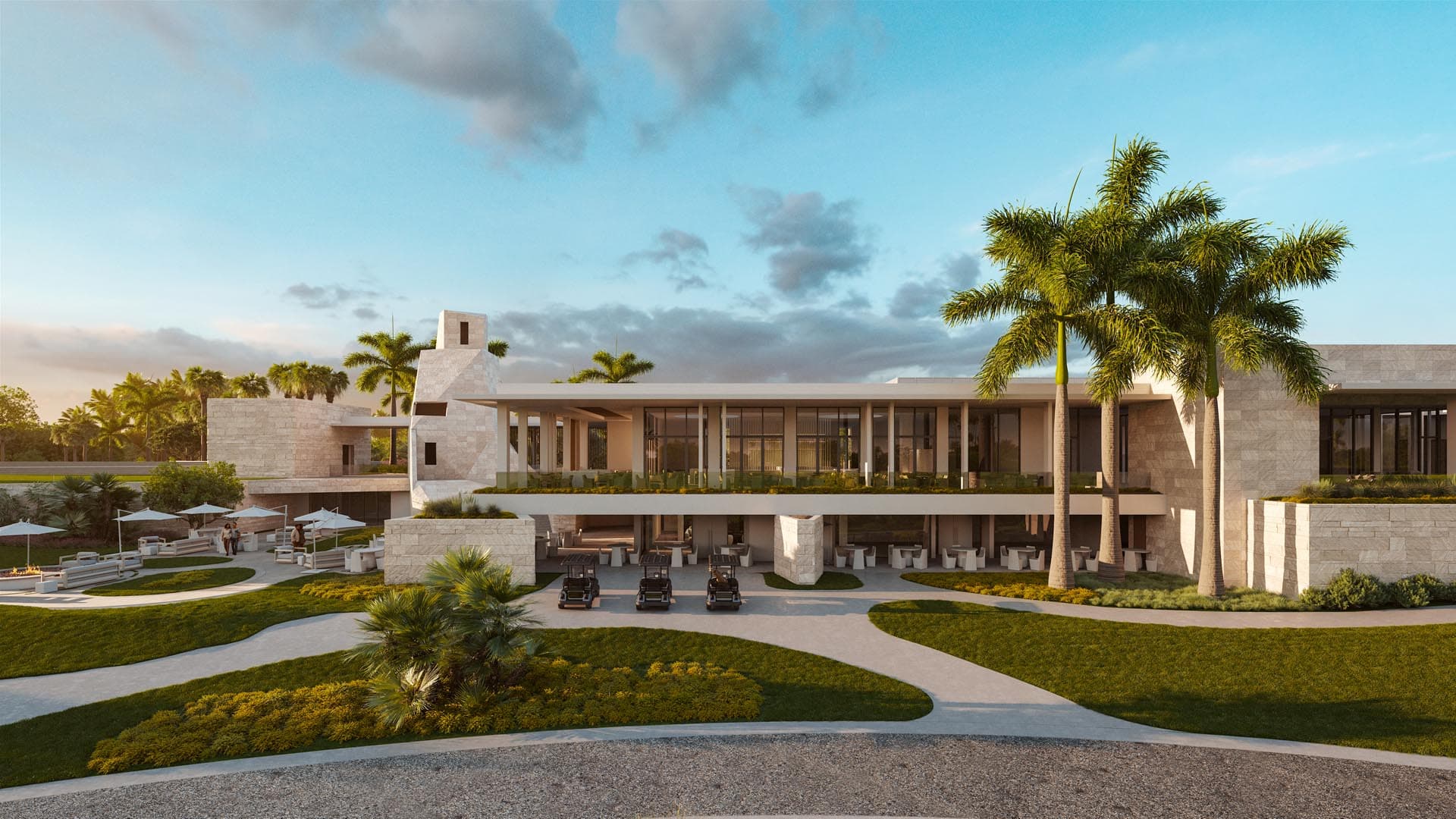
When Jack Nicklaus completed his 18-hole championship design at Avila Golf & Country Club in 1980, Tampa's golf landscape gained a course that would become synonymous with exclusivity. Four decades later, this 7,005-yard, par-72 layout remains one of Florida's most coveted memberships, with initiation fees of $65,000 and annual dues of $6,500 reflecting its position in Tampa's upper echelon of private clubs.
Course Overview
| Specification | Details |
|---|---|
| Architect | Jack Nicklaus |
| Year Opened | 1980 |
| Total Yardage | 7,005 yards |
| Par | 72 |
| Holes | 18 |
| Course Rating | Not disclosed |
| Slope Rating | Not disclosed |
| Membership Type | Invite Only |
The course sits within one of Tampa's most prestigious gated communities, where property values often exceed $2 million and membership requires both financial capacity and social connections. Unlike many Florida clubs that accept applications, Avila operates on an invitation-only basis—a policy that has maintained its exclusivity since opening.
The Golden Bear's Design Philosophy
Jack Nicklaus brought 18 major championship victories and an unmatched competitive resume to course design when he launched Nicklaus Design in 1969. By 1980, when Avila opened, the Golden Bear had already established his architectural principles: strategic shot values, multiple tees accommodating various skill levels, and green complexes that reward precision while punishing carelessness.
Nicklaus designed over 410 courses across 45 countries during his architectural career, generating more than $5 billion in development value. His Florida portfolio includes approximately 30 courses, from the tournament-tested Bear's Club in Jupiter to resort destinations like PGA National. At Avila, Nicklaus worked with Tampa's natural topography—relatively rare elevation changes for central Florida—to create a layout that demands course management over raw power.
The architect's design philosophy centered on what he called "heroic" architecture: optional risk-reward scenarios that allow aggressive players to gain advantages while providing conservative routes for higher-handicap members. This approach proved particularly effective in private club settings, where diverse skill levels required accommodation without compromising strategic interest.
Signature Holes
The Par-4 6th: Risk and Reward
Measuring 425 yards from the championship tees, the 6th hole exemplifies Nicklaus's risk-reward philosophy. A diagonal water hazard cuts across the fairway approximately 280 yards from the tee, forcing longer hitters to choose between laying up short or attempting to carry the hazard for a shorter approach. The green, elevated roughly eight feet above the fairway, slopes severely from back to front—punishing approaches that miss long.
The Par-3 12th: Precision Required
The shortest hole on the course at 165 yards, the 12th demands accuracy over distance. The green sits on a peninsula surrounded by water on three sides, with only 20 yards of safe landing area behind the pin. Wind conditions, common in Tampa's afternoon climate, can turn this seemingly manageable hole into a card-wrecker.
The Par-5 18th: Championship Finish
At 565 yards, the finishing hole requires three well-executed shots. The tee shot must navigate bunkers positioned 260 yards from the championship tees, while the approach to the two-tiered green demands precise distance control. The hole has played over par in member competitions for four decades, creating dramatic finishes in club tournaments.
Practice Facilities
Avila's practice infrastructure reflects the standards expected at a $65,000 initiation fee facility. The world-class practice range stretches 350 yards, with target greens positioned at 100, 150, and 200 yards. Twenty hitting stations provide members with consistent practice opportunities, while the range's orientation minimizes sun glare during Tampa's peak playing hours.
Short-game facilities include a dedicated chipping area with multiple pin positions and bunker practice stations. The putting green, built to the same specifications as the course greens, covers approximately 8,000 square feet with various slopes and breaking putts.
The golf simulator facility houses two TrackMan-equipped bays, allowing members year-round practice regardless of Tampa's summer thunderstorm patterns. Simulator usage requires advance booking during peak seasons, reflecting member demand for the technology.
Course Conditioning
Avila maintains its Bermuda grass fairways and greens to tour-quality standards year-round. The maintenance budget, while not disclosed, likely exceeds $1.2 million annually based on comparable Tampa facilities of similar prestige. Greens typically roll between 10-11 on the Stimpmeter, with tournament speeds reaching 12-13 for member competitions.
The club's irrigation system utilizes reclaimed water, reducing environmental impact while maintaining the consistent conditioning members expect. Fairway heights range from 0.5 inches in winter to 0.625 inches during summer growth periods, while rough is maintained at 2.5 inches—creating strategic advantages for accurate driving.
Tampa's subtropical climate allows year-round play, though summer afternoon thunderstorms frequently interrupt rounds between June and September. The course typically closes for maintenance one Monday per month, standard practice among Tampa's premier private facilities.
Rankings and Recognition
While Avila does not appear in national course rankings—likely due to limited access for raters—the facility maintains recognition within Tampa's golf community. The club has hosted multiple Florida Golf Association events, though specific tournament results remain private club records.
Local golf professionals consistently rate Avila among Tampa's top five private courses, alongside Palma Ceia Golf & Country Club and Hyde Park Golf Club. The course's conditioning and member experience standards rival facilities with significantly higher initiation fees in markets like Palm Beach.
Tournament History
Avila has hosted the Florida Mid-Amateur Championship twice since 2000, though specific years and winners remain club records. The course's length at 7,005 yards provides adequate challenge for elite amateur competition, while multiple tee positions accommodate members of varying abilities during regular play.
Annual member tournaments include the Club Championship, Member-Guest, and various seasonal events. The Club Championship typically draws 60-80 participants, with handicap flights ensuring competitive balance among Avila's diverse membership.
The course record remains unofficial club information, though longtime members report scores in the mid-to-low 60s during optimal conditions. The combination of Tampa's year-round playing season and consistent course conditions creates opportunities for exceptional scoring among skilled players.