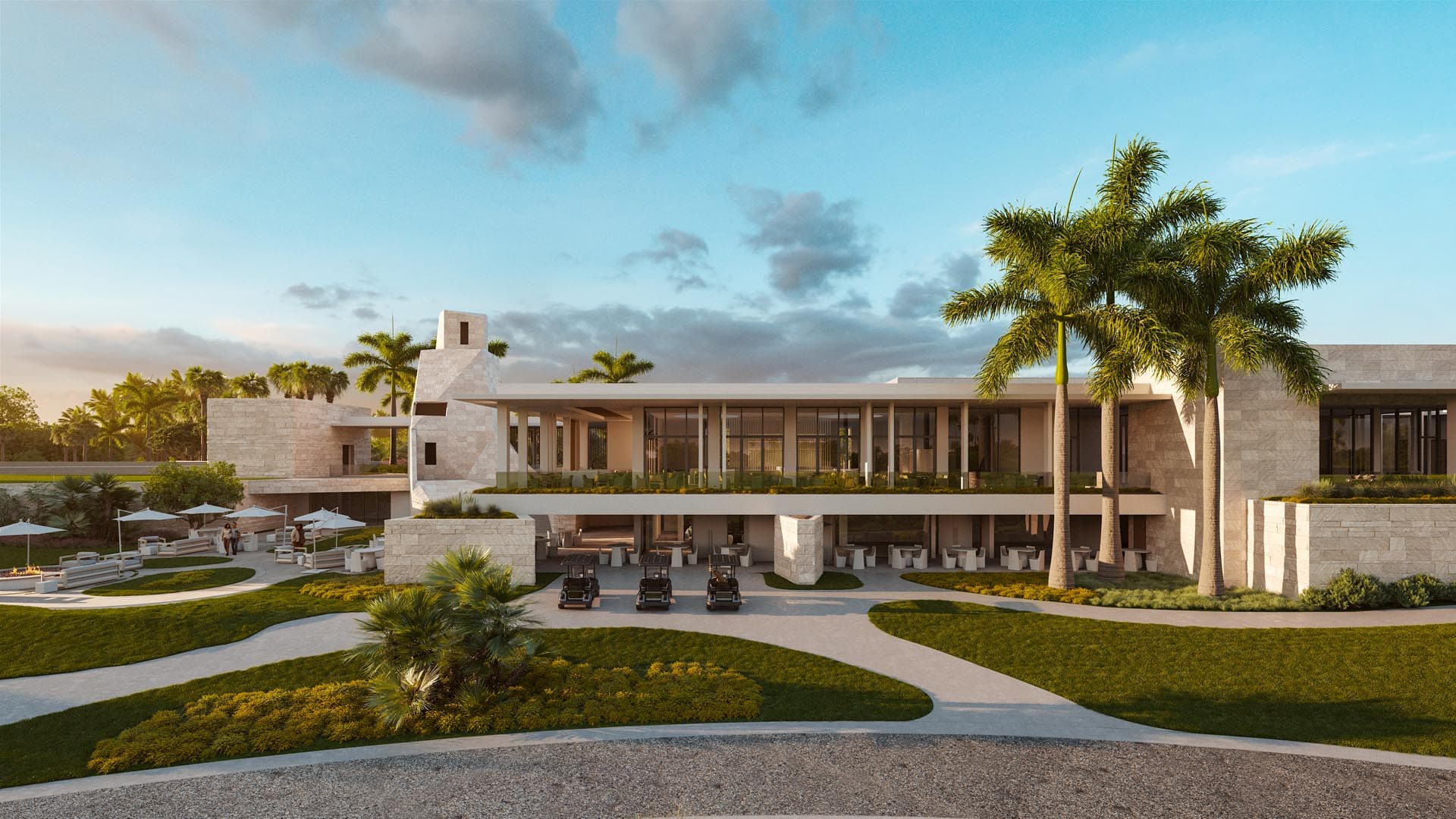
When Boca Rio Golf Club opened in 1967, it represented a pivotal moment in Florida golf course architecture. Robert von Hagge's design stretched to 7,100 yards — considered formidable for its era — establishing a template that would influence championship-caliber private clubs throughout South Florida for decades.
Course Overview
| Specification | Details |
|---|---|
| Architect | Robert von Hagge |
| Year Opened | 1967 |
| Total Yardage | 7,100 yards |
| Par | 72 |
| Holes | 18 |
| Course Rating/Slope | Championship layout |
| Membership Model | Invite Only |
| Initiation Fee | $100,000 |
The Architect: Robert von Hagge's Florida Legacy
Robert von Hagge established himself as one of America's most prolific golf course architects during the sport's explosive growth in the 1960s and 1970s. Over his career, von Hagge designed more than 200 courses across 30 states and 15 countries, with particular expertise in creating challenging layouts that test every aspect of a player's game.
Von Hagge's architectural philosophy centered on strategic design — rewarding precise shot-making while punishing careless play. His courses typically feature generous landing areas off the tee, followed by increasingly demanding approach shots that require both distance control and accuracy. At Boca Rio, these principles manifest in a layout that measures over 7,000 yards from the championship tees, yet remains playable for members across all skill levels through multiple tee options.
The architect's Florida portfolio includes several notable private clubs, but Boca Rio represents one of his earliest complete expressions of championship golf design in the region. Von Hagge's understanding of South Florida's flat terrain and water management challenges resulted in a course that maximizes elevation changes and incorporates water features on 14 of 18 holes.
Signature Holes
Von Hagge's routing at Boca Rio creates natural drama through strategic placement of hazards and green complexes. The course's signature challenges emerge from its length combined with precise water placement.
The Par-4 Finishing Stretch
Boca Rio's closing holes exemplify von Hagge's strategic architecture. The final four holes each present distinct challenges that demand different skills, creating a natural crescendo for competitive rounds. Water hazards guard the approach shots on three of these four holes, requiring members to execute under pressure.
Water-Guarded Par 3s
The course features four par-3 holes that showcase von Hagge's ability to create variety within a single shot category. Each presents different yardages and angles of attack, with water hazards positioned to punish marginal shots while rewarding commitment to precise targets.
Strategic Par 5s
Two of the course's par-5 holes offer genuine birdie opportunities for accomplished players, while the third requires three carefully planned shots. This balance reflects von Hagge's understanding that championship courses must reward excellent play without offering easy scoring opportunities.
Practice Facilities
Boca Rio's practice amenities reflect the club's commitment to serious golf improvement. The facility includes a driving range with multiple target greens, allowing members to practice distance control with various clubs. Practice putting greens provide surfaces that mirror the speed and grain characteristics of the course's playing surfaces.
The short game practice area encompasses chipping and bunker play, essential components for scoring on von Hagge's strategic layout. These facilities support the club's focus on golf-centric membership, attracting players who prioritize course access and practice opportunities over extensive resort-style amenities.
Conditioning and Maintenance
Florida's year-round growing season creates unique challenges for golf course maintenance, particularly on courses built to championship standards. Boca Rio's maintenance program addresses the specific requirements of von Hagge's design, which incorporates multiple grass types and significant water features.
The course utilizes advanced drainage systems essential for South Florida golf, where afternoon thunderstorms can deposit several inches of rain within hours. Proper drainage becomes critical on a layout with 14 water hazards, where standing water can quickly transform playing conditions.
Seasonal overseeding programs maintain consistent playing surfaces throughout Florida's subtle seasonal changes. The maintenance team coordinates these programs with member play patterns, ensuring optimal conditions during peak usage periods.
Rankings and Recognition
Von Hagge's architectural reputation, combined with Boca Rio's exclusive membership model, has attracted attention from golf course rating organizations. The course's 7,100-yard length places it among the longer championship layouts in South Florida, a distinction that becomes increasingly relevant as equipment technology advances.
The club's invite-only membership policy, supported by $100,000 initiation fees, positions it within the upper tier of Florida private clubs. This exclusivity typically correlates with course conditioning standards and member expectations that influence industry recognition.
Tournament History
Private clubs with championship-length layouts often serve as hosts for regional and state amateur competitions. Courses designed by established architects like von Hagge frequently attract tournament organizers seeking venues that test accomplished players while providing appropriate spectator amenities.
The 7,100-yard layout provides sufficient challenge for competitive events, with its strategic water placement and varied hole designs creating natural scoring opportunities and hazards that influence tournament outcomes.
Membership and Access
Boca Rio's invite-only membership model represents the most exclusive tier of private club access. This structure, combined with six-figure initiation fees, creates a membership base of typically 250-350 golfers — optimal for maintaining course access while supporting operational costs.
The club's golf-centric approach eliminates many amenities found at resort-style private clubs, concentrating resources on course maintenance, practice facilities, and traditional clubhouse services. This focus attracts members who prioritize golf over social activities, creating a culture centered on the game itself.