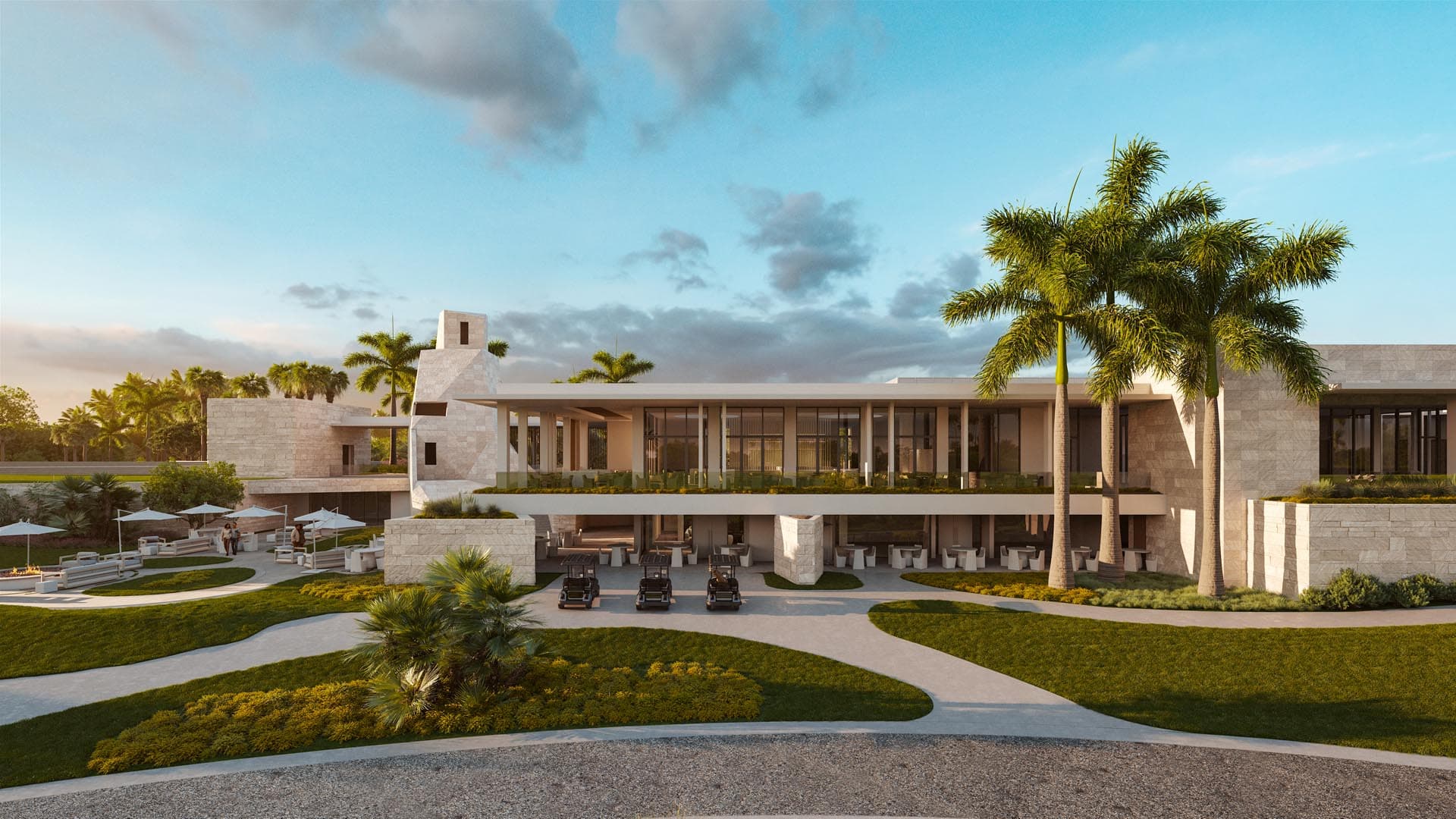
Founded in 1972, Carrollwood Country Club represents one of Tampa's most established private golf facilities, featuring 27 holes of championship golf across three distinct nine-hole layouts. The Pine course, along with its companion layouts, showcases the design philosophy of Dan Maples, creating a comprehensive golf experience within the tree-lined setting of Carrollwood Village.
Course Overview
| Specification | Details |
|---|---|
| Total Holes | 27 (three 9-hole layouts) |
| Pine Course Holes | 12 |
| Architect | Dan Maples |
| Opened | 1972 |
| Total Property Yardage | 6,828 yards |
| Setting | Tree-lined, residential |
| Terrain | Florida inland topography |
| Practice Facilities | Tour quality with multiple tees |
| Initiation Fee | $10 |
The club's 27-hole configuration allows for varied routing combinations, with the Pine course serving as one of the primary nine-hole segments that can be paired with the other Maples-designed layouts to create different 18-hole experiences.
The Architect: Dan Maples
Dan Maples (1947-2017) carved out a distinguished career as one of the Southeast's most prolific golf course architects, designing over 90 courses during his four-decade career. The son of noted architect Ellis Maples, Dan established his reputation through a design philosophy that emphasized playability for all skill levels while incorporating challenging strategic elements for accomplished players.
Maples' approach to Florida course design typically involved maximizing the natural topography and existing vegetation, a philosophy evident in his work at Carrollwood. His designs characteristically feature generous fairways with strategic bunkering, well-defended greens, and thoughtful use of water features. Throughout his career, Maples designed courses that hosted professional tournaments, including layouts on the PGA Tour and Champions Tour.
The architect's understanding of Florida's unique design challenges—including drainage, native vegetation preservation, and year-round play requirements—informed his work at Carrollwood. His designs from the early 1970s often incorporated the residential development integration that became increasingly common in private club construction during that era.
Signature Holes
While specific hole-by-hole data for the Pine course configuration is not publicly detailed, Dan Maples' design principles at Carrollwood emphasize strategic shot placement and course management. The 27-hole layout allows for multiple routing options, with each nine-hole segment contributing distinct characteristics to the overall golf experience.
The Pine course benefits from the property's mature tree canopy, which provides both aesthetic appeal and strategic challenge through narrowed landing areas and approach shot considerations. Maples' typical design elements—including strategically placed bunkers, undulating greens, and risk-reward opportunities—are evident throughout the layout.
The course's integration within the Carrollwood Village residential community required careful planning to balance golf strategy with housing considerations, a challenge that Maples addressed through thoughtful routing and landscape design.
Practice Facilities
Carrollwood Country Club maintains tour-quality practice facilities that serve all 27 holes of golf. The practice complex includes multiple tee areas to accommodate different skill levels and practice requirements, along with dedicated practice greens for putting and short game work.
| Practice Feature | Specifications |
|---|---|
| Driving Range | Tour quality with multiple tees |
| Practice Greens | Multiple putting surfaces |
| Short Game Area | Dedicated practice space |
| Teaching Facilities | Golf academy on-site |
| Pro Shop | Full-service retail |
The practice facilities support the club's golf academy, providing members with professional instruction opportunities. The multiple tee configuration allows for practice under varying conditions and distances, essential for a 27-hole facility that serves diverse membership skill levels.
Course Conditioning
Florida's year-round growing season presents both opportunities and challenges for golf course maintenance. Carrollwood's maintenance program must address the demands of 27 holes in continuous play while managing the subtropical climate's effects on turf health and playing conditions.
The club's conditioning program typically involves aggressive summer maintenance schedules to combat heat stress and humidity effects on playing surfaces. The mature tree canopy throughout the property creates microclimates that require specialized maintenance approaches for different areas of the course.
Drainage considerations, critical in Florida golf course management, were incorporated into Maples' original design and continue to influence maintenance practices. The course's conditioning standards reflect the expectations of a private club membership paying initiation fees starting at $10.
Rankings and Recognition
Specific national rankings for the Pine course configuration are not widely published, reflecting the challenge of rating 27-hole facilities where multiple routing options create different golf experiences. However, Carrollwood Country Club's overall reputation within Tampa's private club market reflects the quality of Maples' design work and the club's maintenance standards.
The club's 51-year operating history has established its position within Florida's competitive private club landscape. The $10 initiation fee structure suggests positioning as an accessible private club option within the Tampa market.
Tournament History
While major professional tournament history is not documented for Carrollwood Country Club, the facility's 27-hole configuration and tour-quality practice facilities position it well for member tournaments and regional amateur events. The multiple routing options created by the three nine-hole layouts provide flexibility for tournament operations.
The club's tournament calendar typically focuses on member events, with the 27-hole layout allowing for creative tournament formats and multiple simultaneous competitions. The practice facilities support tournament preparation and instruction programs.