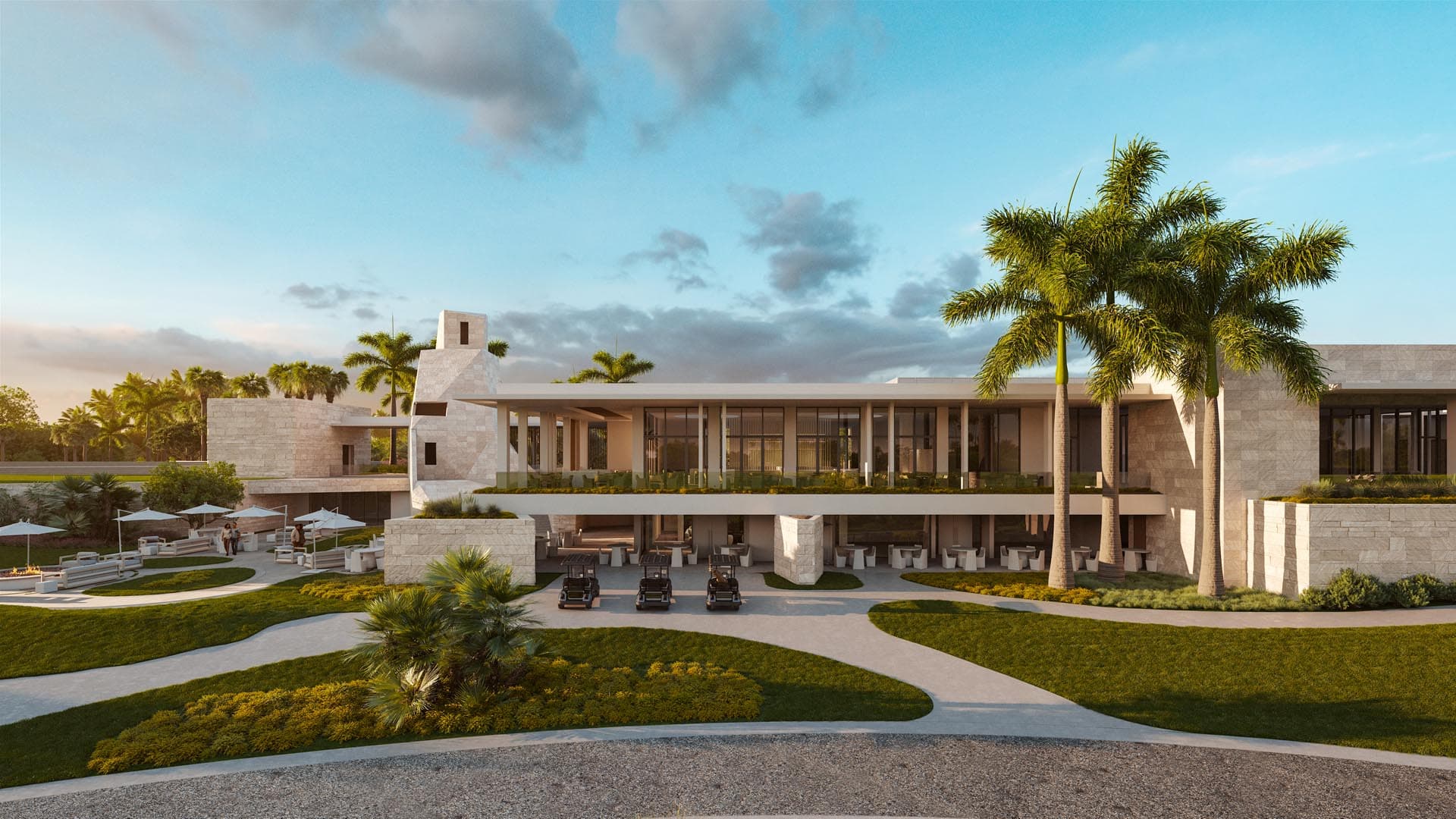
When Arthur Hills designed Collier's Reserve Country Club in Naples, Florida, he faced a challenge that would define the project: creating a championship golf course within one of the most environmentally sensitive ecosystems in Southwest Florida. The result, which opened in 1993, stands as one of fewer than 2,000 golf facilities worldwide to earn Audubon International Cooperative Sanctuary designation—a testament to Hills' ability to blend strategic golf architecture with environmental stewardship.
Course Overview
| Feature | Details |
|---|---|
| Par | 72 |
| Opened | 1993 |
| Architect | Arthur Hills |
| Setting | 450 acres along Cocohatchee River |
| Environmental Status | Audubon International Cooperative Sanctuary |
| Tee Sets | Multiple (specific yardages vary by tee) |
| Property Type | Member-owned private club |
| Initiation Fee | $150,000 |
| Membership Status | Waitlist |
The Architect: Arthur Hills
Arthur Hills built his reputation over five decades by designing more than 180 courses across 27 states and four countries, with a particular expertise in environmentally sensitive projects. His philosophy centered on "golf courses that look like they've always been there"—an approach that served him well when tackling the ecological complexity of Southwest Florida.
Hills earned his landscape architecture degree from Michigan State University in 1961 and launched his practice during golf's first major boom period. By the 1990s, when he began work on Collier's Reserve, he had refined a design methodology that prioritized existing topography and native vegetation. His portfolio includes more than 40 courses in Florida alone, making him one of the state's most prolific architects.
The architect's approach to Collier's Reserve reflected his mature design philosophy: strategic shot values that reward precision over power, with hazards positioned to influence decision-making rather than simply punish errant shots. Hills incorporated the property's natural waterways and preserved 65% of the site's original vegetation, creating corridors for native wildlife while maintaining playability for golfers of varying abilities.
Signature Holes
Hills designed Collier's Reserve to showcase Southwest Florida's natural beauty while providing strategic variety across 18 holes. The course winds through preserved wetlands and alongside the Cocohatchee River, with each hole framed by native cypress, pine, and palmetto vegetation.
The routing takes advantage of elevation changes subtle enough to create visual interest without compromising the environmental mandate. Water hazards appear on multiple holes, but Hills positioned them as strategic elements rather than mere obstacles. The course demands accuracy from the tee and precision with approach shots, rewarding players who can work the ball both ways.
Several holes incorporate the property's natural water features, requiring carries over wetland areas that serve dual purposes: strategic golf challenges and preserved habitat for the 200-plus bird species documented on the property. The design philosophy emphasized risk-reward scenarios, where aggressive play yields scoring opportunities but conservative strategies remain viable.
Practice Facilities
The practice complex at Collier's Reserve reflects the same environmental consciousness that defines the main course. The driving range utilizes natural topography to create varied target areas, while the short game area incorporates multiple putting surfaces and practice bunkers.
Practice facilities include:
- Full-length driving range with multiple target areas
- Dedicated putting greens with varied slopes and green speeds
- Short game practice area with bunkers and diverse pin positions
- Teaching areas for instruction
The practice design maintains the course's Audubon Sanctuary standards, with native grasses and preserved buffer zones separating practice areas from sensitive habitats. Irrigation systems use reclaimed water, and maintenance practices follow integrated pest management protocols.
Conditioning
Collier's Reserve maintains playing surfaces that meet championship standards while adhering to environmental best practices that earned its Audubon certification. The course employs integrated pest management techniques, water conservation systems, and native plant restoration programs.
Greens feature Tifdwarf Bermuda grass, selected for its heat tolerance and ability to provide consistent putting surfaces in Florida's climate. Fairways utilize Tifway 419 Bermuda, chosen for its durability and recovery characteristics. Rough areas incorporate native grasses where possible, reducing chemical inputs while providing habitat value.
The maintenance program emphasizes water conservation through efficient irrigation systems and drought-tolerant plant selections in non-play areas. Chemical applications follow strict protocols designed to minimize environmental impact while maintaining playing quality.
Year-round growing conditions in Naples allow for consistent course conditions, with seasonal overseeding programs ensuring optimal playing surfaces during peak winter months when member play is highest.
Rankings and Recognition
While specific national rankings vary by publication methodology, Collier's Reserve has earned recognition within Florida's competitive golf market. The course's Audubon International Cooperative Sanctuary designation places it among an elite group of fewer than 2,000 golf facilities worldwide to achieve this environmental certification.
The club's location in Naples—widely recognized as the Golf Capital of the World with more than 80 courses within the metropolitan area—provides context for its standing within one of America's most golf-dense regions. Competition for recognition in this market requires exceptional design, conditioning, and member experience.
Environmental awards include the Audubon Cooperative Sanctuary certification, which requires meeting standards in six categories: environmental planning, wildlife and habitat management, chemical use reduction, water conservation, water quality management, and outreach and education.
Tournament History
Collier's Reserve operates primarily as a member-focused facility, with tournament activity centered on club championships and member events rather than professional competitions. This approach aligns with the club's environmental mission, as limiting large-scale tournaments reduces stress on preserved habitats.
Member tournaments utilize the course's strategic design elements, with multiple tee positions allowing for varied playing experiences across different skill levels. The club hosts invitational events with other private clubs in the Naples area, taking advantage of the region's concentration of high-quality golf facilities.
Club championships typically feature multiple divisions, accommodating the membership's range of playing abilities while showcasing the course's strategic design elements. Hills' routing provides flexibility for tournament setup, with tee and pin positions that can adjust difficulty levels based on playing conditions and competition format.