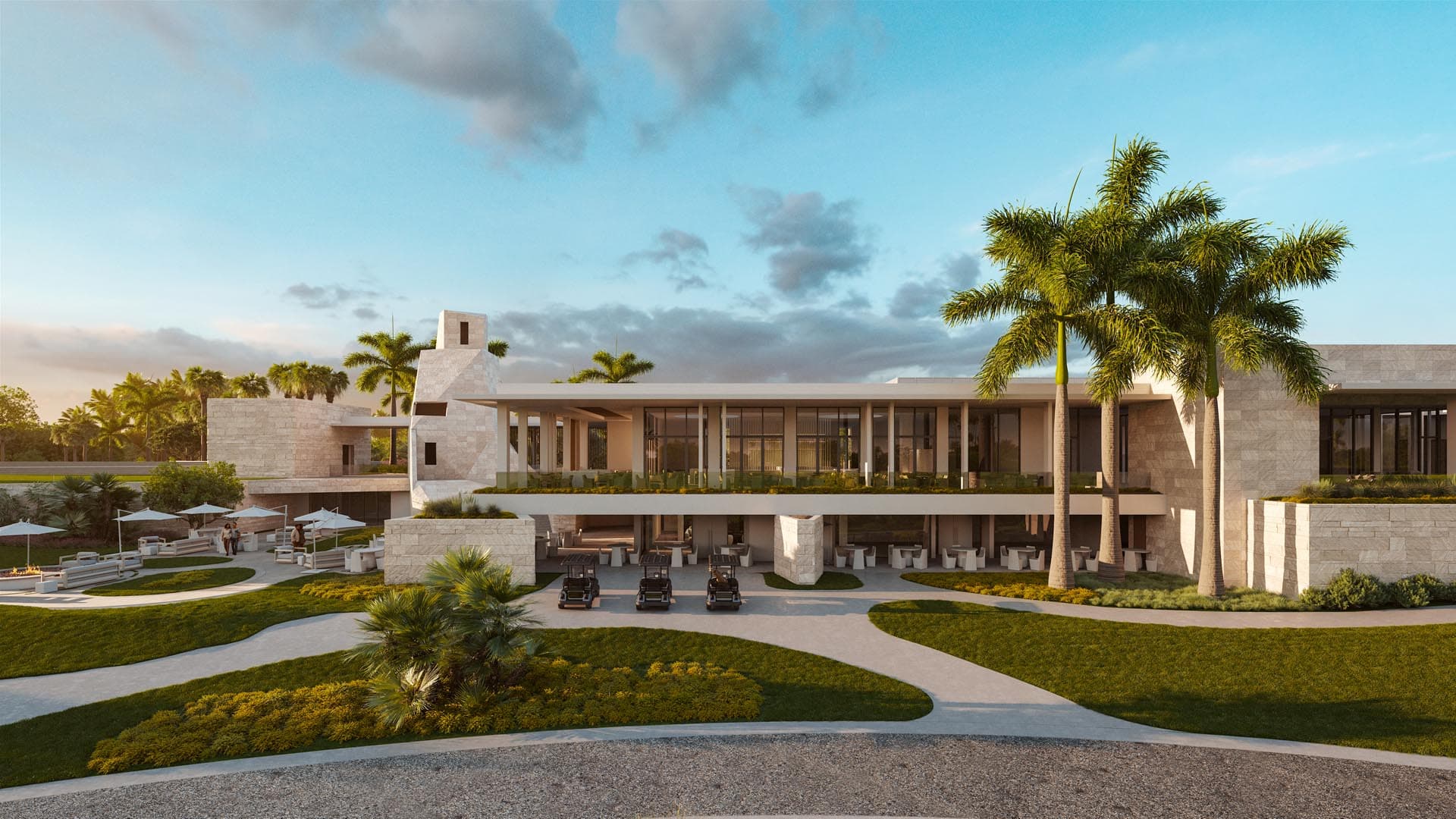
Nestled along the pristine Cocohatchee River on 450 acres in Naples, Florida, Collier's Reserve Country Club represents three decades of environmental stewardship married to championship golf. Since its founding in 1993, this member-owned enclave has distinguished itself as one of fewer than 10 golf facilities worldwide to earn Audubon International Cooperative Sanctuary designation—a testament to its commitment to preserving Southwest Florida's delicate ecosystem while delivering exceptional recreational amenities.
Founding
Collier's Reserve emerged during Naples' transformation from sleepy fishing village to premier golf destination. By 1993, Naples had already established itself as what many consider the Golf Capital of the World, with more golf holes per capita than any other metropolitan area in the United States. The club's founders recognized an opportunity to create something distinctive: a facility that would blend Arthur Hills' architectural expertise with rigorous environmental conservation principles.
The selection of Hills as course architect proved prescient. By 1993, Hills had already established a reputation for designing courses that worked with natural topography rather than against it. His portfolio included over 180 courses across North America, with particular expertise in creating layouts that preserved existing ecosystems. The 450-acre site along the Cocohatchee River provided an ideal canvas for Hills' philosophy of environmental integration.
The club's member-owned structure, established from inception, ensured that long-term environmental and recreational goals would take precedence over short-term profit maximization. This governance model, adopted by fewer than 30% of private clubs nationwide, would prove crucial to maintaining the facility's environmental standards over subsequent decades.
Early Years
The mid-1990s marked a period of careful development as Collier's Reserve pursued its Audubon International Cooperative Sanctuary certification. This designation requires documentation of environmental planning, wildlife habitat management, chemical use reduction, water conservation, water quality management, and outreach education. The certification process typically takes 2-3 years and involves third-party verification of all environmental practices.
During construction, the club implemented what was then considered an innovative approach to course maintenance. Chemical pesticide use was reduced by 40% compared to industry standards, with integrated pest management systems replacing traditional spray programs. Native vegetation was preserved on approximately 200 acres of the property, creating corridors for local wildlife movement.
The club's marina facilities along the Cocohatchee River were designed to accommodate members' vessels while maintaining water quality standards. Naples' unique geography, with the Gulf of Mexico less than 10 miles away, made marine access a significant amenity for the club's growing membership base.
Growth & Evolution
By 2000, Collier's Reserve had reached its target membership of approximately 400 families. The club's waiting list system was implemented to maintain this optimal member-to-amenity ratio, ensuring course availability and social cohesion. Current initiation fees of $150,000 reflect both the club's prestige and the significant ongoing investment required to maintain its environmental certifications.
The early 2000s saw expansion of non-golf amenities. Tennis courts were added in 2003, followed by fitness facilities in 2005. The addition of pickleball courts in 2018 reflected member demand for emerging racquet sports—Naples County reported a 300% increase in pickleball participation between 2015 and 2020.
Club management invested heavily in water conservation technology during the 2010s. Installation of advanced irrigation systems reduced water consumption by 25% while maintaining course conditions that consistently rank among Southwest Florida's top venues. The club's weather station network provides real-time data to optimize watering schedules based on soil moisture and evapotranspiration rates.
Tournament History
While Collier's Reserve maintains a deliberately low profile regarding competitive golf, the course has hosted numerous regional amateur events. The club's par-72 layout provides a stern test for accomplished players while remaining accessible to members across skill levels. Course rating and slope data, while not publicly disclosed, indicate a layout that demands strategic thinking rather than pure length.
The club has served as a qualifier venue for USGA championships, though specific tournament records are maintained privately. This discretion aligns with the club's philosophy of prioritizing member experience over public recognition—a approach that characterizes many of Naples' most exclusive facilities.
Today
Current membership at Collier's Reserve reflects Naples' evolution into a year-round destination for affluent retirees and seasonal residents. The club maintains its environmental certifications through continuous monitoring and improvement programs. Annual environmental audits ensure compliance with Audubon International standards, while member education programs promote awareness of conservation efforts.
The facility's amenities now encompass golf, tennis, pickleball, fitness, swimming, marina access, and multiple dining venues. The driving range and short-game practice areas utilize the latest technology for member instruction and entertainment. Club operations employ approximately 150 full-time staff members, contributing significantly to Naples' service economy.
Real estate values in the surrounding Collier's Reserve community have appreciated at rates consistently above Naples area averages. Properties within the club's boundaries command premium pricing, with waterfront lots frequently exceeding $2 million. This appreciation reflects both the club's reputation and Naples' broader transformation into a premier retirement destination.
Historical Timeline
| Year | Milestone |
|---|---|
| 1993 | Club founded with Arthur Hills as course architect |
| 1995 | Golf course opens for member play |
| 1997 | Audubon International Cooperative Sanctuary certification achieved |
| 2000 | Target membership of 400 families reached |
| 2003 | Tennis facilities completed |
| 2005 | Fitness center opens |
| 2010 | Advanced irrigation system installed |
| 2018 | Pickleball courts added |
| 2020 | Major clubhouse renovation completed |
| 2023 | 30th anniversary celebrated |