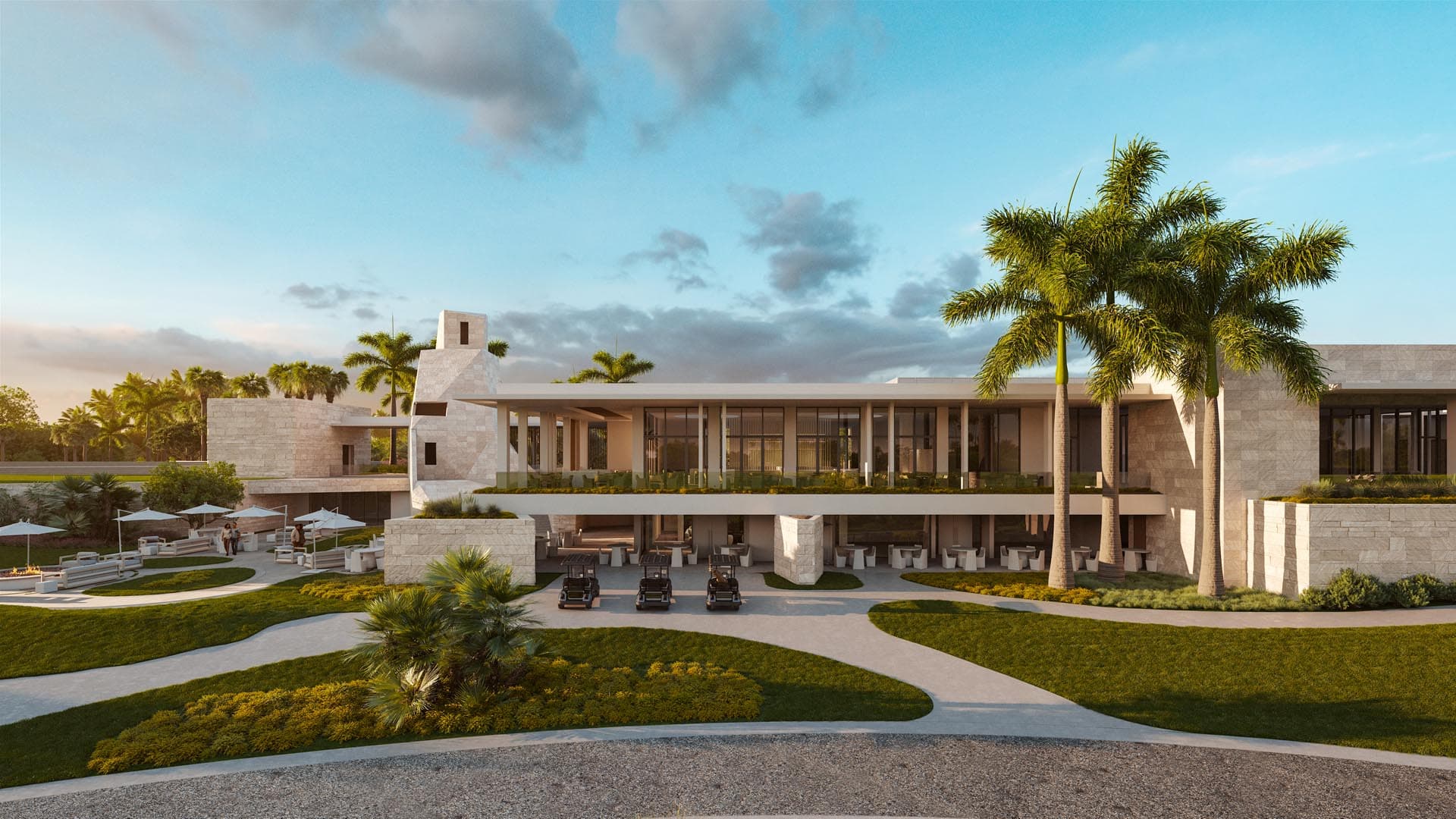
In 2001, the 300 acres that would become Colonial Country Club existed as undisturbed swampland in Fort Myers. Within three years, this parcel would transform into Southwest Florida's newest gated community, anchored by an 18-hole championship golf course and a $12 million clubhouse that would serve as the social epicenter for hundreds of families.
The story of Colonial represents the broader development boom that swept Southwest Florida in the early 2000s, when home builders recognized the region's potential for luxury residential communities catering to retirees and seasonal residents.
Founding
Pulte Homes, one of America's largest homebuilders, selected this Fort Myers site in 2001 for their first master-planned community in Southwest Florida. The company invested $45 million in the initial development, which included infrastructure, the golf course, and amenities package. This represented a significant bet on the region's growth potential, as Lee County's population had increased 27% during the 1990s.
Construction began in 2002 with the golf course taking priority. Gordon Lewis, the project's architect, designed an 18-hole, par-72 layout that would work within the natural wetlands while providing championship-level play. Lewis had previously designed over 200 courses across the southeastern United States, bringing particular expertise in working with Florida's challenging environmental conditions.
The course opened for play in 2003, featuring 6,800 yards of golf across varied terrain that preserved existing oak hammocks and incorporated the area's natural waterways into the design. Initial membership was priced at $15,000, positioned competitively against established Fort Myers clubs where initiation fees ranged from $25,000 to $75,000.
Early Years
By late 2004, Colonial's 25,000-square-foot clubhouse opened its doors, immediately establishing the facility as the community's social hub. The building housed formal and casual dining venues, a fitness center, and meeting spaces designed to accommodate the growing residential population.
The club's first five years coincided with Southwest Florida's real estate boom. Home sales within Colonial's gates averaged 150 transactions annually between 2004 and 2007, with median prices rising from $280,000 to $485,000. This residential growth directly supported club membership, which reached 750 members by 2007.
Colonial's early success stemmed from its positioning as an accessible luxury option. While established Fort Myers clubs like Bonita Bay Club commanded six-figure initiation fees, Colonial offered similar amenities at a fraction of the cost. The club's social membership category, introduced in 2005, provided non-golfers access to dining and social facilities for $2,500 annually.
Growth & Evolution
The 2008 financial crisis significantly impacted Colonial's trajectory. Southwest Florida's real estate market contracted sharply, with home values dropping 40% between 2007 and 2010. Colonial adapted by freezing membership dues, eliminating initiation fees temporarily, and expanding programming to retain existing members.
During this period, the club invested $3.2 million in facility improvements. Eight Har-Tru tennis courts were added in 2009, followed by pickleball and bocce facilities in 2011. These additions reflected changing recreational preferences among the club's membership, which averaged 65 years of age.
Recovery accelerated after 2012. New home construction resumed within the community, and membership rebounded to pre-recession levels by 2015. The club reinstated modest initiation fees and expanded its dining operations to include weekend brunch service and special event catering.
Tournament History
Colonial has never hosted professional tournament play, focusing instead on member competitions and regional amateur events. The club's tournament calendar includes 40 annual member events, from weekly games to seasonal championships.
The Gordon Lewis design proves challenging for competitive play, with water hazards affecting 12 of 18 holes and strategically placed bunkers protecting scoring opportunities. The course rating from the championship tees measures 73.2 with a slope rating of 135, placing it among the more demanding layouts in Lee County.
Notable annual events include the Colonial Classic, a three-day member-guest tournament attracting 80 teams each February. The event generates approximately $150,000 in club revenue through entry fees, dining, and accommodations for visiting players.
Today
Colonial Country Club currently serves approximately 600 members across golf and social categories. Membership demographics reflect broader Southwest Florida trends: 70% of members list Florida as their primary residence, while 30% maintain seasonal homes in the community.
The club operates on an annual budget of $4.8 million, with golf operations accounting for 45% of revenue, food and beverage 35%, and membership dues 20%. Current initiation fees have stabilized at $20,000 for golf membership, significantly below peak 2006 levels of $35,000.
Recent facility improvements include a $800,000 fitness center renovation completed in 2022 and ongoing course improvements budgeted at $400,000 annually. The club employs 85 staff members year-round, expanding to 120 during peak season from January through April.
Timeline
| Year | Milestone |
|---|---|
| 2001 | Pulte Homes acquires 300-acre site |
| 2002 | Construction begins on golf course |
| 2003 | 18-hole Gordon Lewis course opens |
| 2004 | Grand clubhouse and restaurant open |
| 2005 | Social membership category introduced |
| 2009 | Eight Har-Tru tennis courts added |
| 2011 | Pickleball and bocce facilities completed |
| 2015 | Membership returns to pre-recession levels |
| 2022 | Fitness center renovation completed |