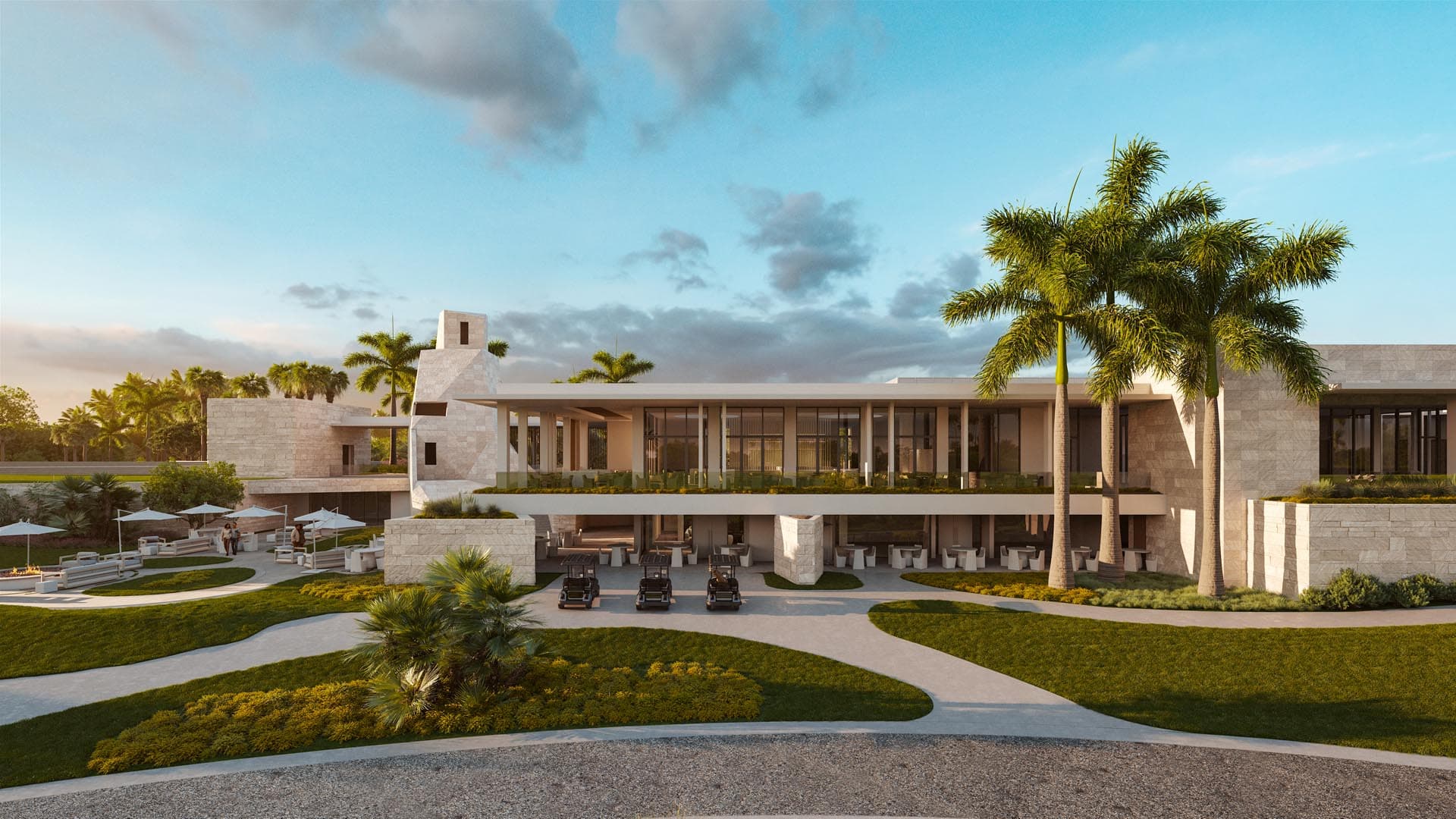
When Robert Trent Jones Sr. designed Coral Ridge Country Club's championship course in 1954, he established what would become one of Fort Lauderdale's most enduring golf challenges. This 27-hole facility has hosted serious golf for seven decades, with a 2020 renovation by Rees Jones — Robert Trent Jones Sr.'s son — ensuring the layout remains relevant for modern championship play.
Course Overview
| Specification | Details |
|---|---|
| Total Holes | 27 |
| Championship Par | 72 |
| Original Architect | Robert Trent Jones Sr. (1954) |
| Renovation Architect | Rees Jones (2020) |
| Course Configuration | Two 18-hole combinations from 27 holes |
| Initiation Fee | $70,000 |
| Location | Fort Lauderdale, FL |
| Membership Type | Invitation Only |
The 27-hole configuration allows Coral Ridge to rotate between two distinct 18-hole championship layouts, each measuring par 72. This flexibility proved crucial during the recent renovation, allowing continued play while construction proceeded in phases.
The Architect: Robert Trent Jones Sr.
Robert Trent Jones Sr. (1906-2000) designed over 500 golf courses across six continents during his 70-year career, establishing himself as the most prolific course architect of the 20th century. His philosophy centered on creating courses that were "hard par, easy bogey" — layouts that challenged scratch golfers while remaining playable for higher handicappers.
Jones Sr. pioneered several design elements that became industry standards: kidney-shaped bunkers, large undulating greens, strategic water hazards, and multiple tee complexes. His courses hosted 12 major championships, including seven U.S. Opens. At Coral Ridge, completed during his most productive decade, Jones Sr. incorporated many signature elements that would define resort golf in Florida.
The architect's approach to Florida golf emphasized strategic use of water hazards and prevailing wind patterns. Ocean breezes from the Atlantic, located just miles east of Coral Ridge, influenced hole orientations and green complexes throughout the layout. Jones Sr. designed 47 courses in Florida between 1950 and 1980, making him intimately familiar with the challenges of golf course architecture in the subtropical climate.
Signature Holes
Strategic Water Integration
Jones Sr.'s mastery of water hazard placement defines several holes at Coral Ridge. The architect positioned water features not merely as punishment, but as strategic elements that reward precise shot-making while offering bail-out areas for conservative play. This design philosophy reflects his broader approach to resort golf, where courses must challenge accomplished players while remaining enjoyable for members of varying skill levels.
Green Complex Design
The large, undulating greens characteristic of Jones Sr.'s work feature prominently throughout Coral Ridge's 27 holes. These putting surfaces, averaging approximately 7,000 square feet, incorporate subtle breaks that become more pronounced as green speeds increase for tournament play. The 2020 renovation by Rees Jones preserved the original green footprints while modernizing drainage and improving turf conditions.
Bunker Strategy
Coral Ridge features the kidney-shaped bunkers that became synonymous with Robert Trent Jones Sr. designs. These hazards, positioned at strategic landing areas approximately 250-280 yards from championship tees, force players to consider risk-reward decisions throughout the round. The bunkers typically feature steep faces and deep sand, reflecting Jones Sr.'s belief that hazards should penalize wayward shots significantly.
Practice Facilities
Coral Ridge's practice facilities reflect the comprehensive approach expected at championship venues. The driving range extends over 300 yards, accommodating full driver shots with distance markers at 50-yard intervals. Multiple target greens allow members to practice approach shots of varying distances.
| Practice Area | Specifications |
|---|---|
| Driving Range | 300+ yards with target greens |
| Putting Green | 8,000 square feet |
| Short Game Area | Bunker practice and pitching |
| Teaching Facility | PGA Professional instruction |
The putting green, renovated in 2020 alongside the course, features the same TifEagle bermudagrass used on playing greens. This consistency allows members to develop putting feel that translates directly to on-course performance. The short game practice area includes multiple pin positions and greenside bunkers that replicate conditions found throughout the course.
Conditioning Standards
Championship conditioning at Coral Ridge reflects both the subtropical Florida climate and modern maintenance practices. The 2020 renovation included comprehensive drainage improvements, addressing challenges common to Florida golf courses where annual rainfall exceeds 60 inches.
Turf Management
| Surface | Grass Type | Maintenance Standard |
|---|---|---|
| Greens | TifEagle Bermudagrass | Tournament condition year-round |
| Fairways | Celebration Bermudagrass | Firm and fast conditions |
| Rough | Zoysia blend | Consistent lie quality |
| Bunkers | White sand with drainage | Consistent texture and firmness |
The course maintenance staff of 12 full-time employees maintains conditions that meet PGA Tour standards during member tournaments. Green speeds typically range from 10-11 feet on the Stimpmeter for daily play, increasing to 12-13 feet for major club championships.
Irrigation Technology
The 2020 renovation included installation of a comprehensive irrigation system featuring over 1,200 sprinkler heads with individual computer control. This technology allows precise water management crucial in Florida's wet-dry climate cycles, where courses may receive 10 inches of rain in summer months followed by extended dry periods.
Rankings and Recognition
While specific rankings for Coral Ridge are not publicly available, the course's Robert Trent Jones Sr. pedigree and recent renovation position it among Fort Lauderdale's premier private facilities. The architect's Florida courses consistently appear in state and regional rankings, with nearby examples including Seminole Golf Club (Donald Ross, 1929) and The Bear's Club (Jack Nicklaus, 2001).
The 2020 renovation by Rees Jones, completed at a reported cost exceeding $3 million, addressed modern championship standards while preserving the strategic elements that define Robert Trent Jones Sr. architecture. This investment reflects the membership's commitment to maintaining championship conditioning and design relevance.
Tournament History
Coral Ridge's 27-hole configuration and championship conditioning have supported significant amateur tournaments throughout its history. The course has hosted Florida State Golf Association events, leveraging its ability to present two distinct 18-hole challenges from the 27 available holes.
The club's invitation-only membership policy and $70,000 initiation fee create an environment conducive to high-level amateur competition. Member tournaments regularly feature players with USGA handicaps below 5, reflecting the accomplished golf demographic typical of premium private clubs.
Course Record Performance
Tournament scoring at Coral Ridge reflects both the strategic challenges of Jones Sr.'s design and the conditioning standards maintained by the club. The recent renovation work aimed to preserve scoring balance while incorporating modern agronomy practices that support year-round championship conditions.