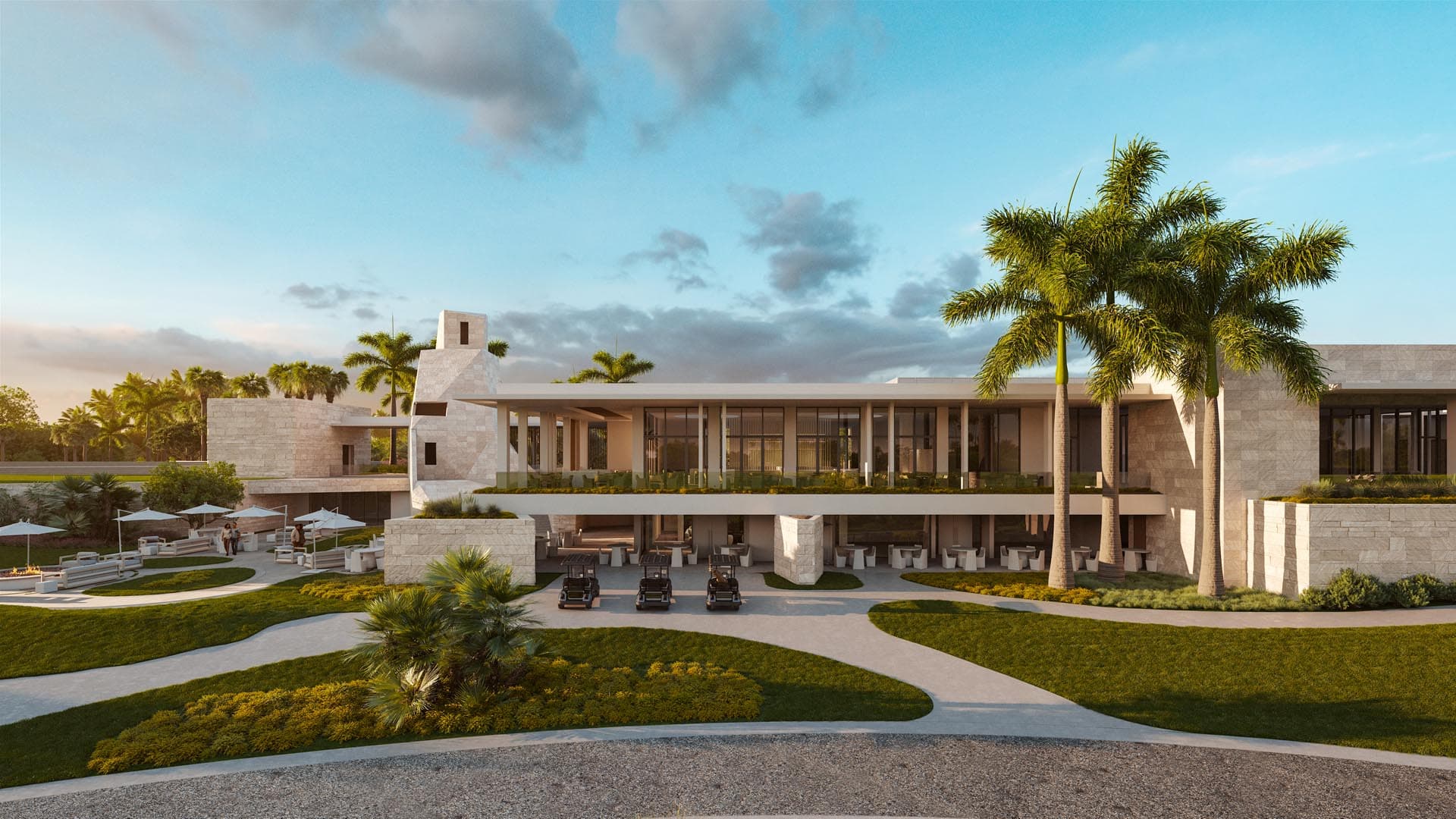
The 18-hole championship course at Deerwood Country Club in Jacksonville represents one of Florida golf architecture's most intriguing stories: a 1960 George Cobb original set for comprehensive renovation in 2025 under Erik Larsen's direction. With 7,350 yards from the championship tees and a tournament pedigree that includes hosting the Greater Jacksonville Open for seven years, Deerwood stands at the intersection of classic Florida design and contemporary playability demands.
The upcoming renovation marks the most significant architectural intervention in the course's 65-year history. While Cobb's original routing and strategic concepts will remain, Larsen's modernization addresses the evolving needs of championship golf in Northeast Florida's competitive private club market.
Course Overview
| Specification | Details |
|---|---|
| Total Yardage | 7,350 yards |
| Par | 18 holes |
| Architect | George Cobb (1960) |
| Renovation Architect | Erik Larsen (2025) |
| Course Count | 2 (Championship + Par-3) |
| Tournament History | Greater Jacksonville Open (1967-69, 1973-76) |
| Renovation Year | 2025 |
The Architect: George Cobb's Florida Legacy
George Washington Cobb designed more than 100 golf courses across the southeastern United States between 1930 and 1985, with Florida representing his most prolific period. Born in 1914, Cobb apprenticed under Donald Ross before establishing his independent practice in 1950. His Florida portfolio includes 47 courses, making him the state's most active mid-century architect.
Cobb's design philosophy emphasized strategic shot values over penal hazards, a approach that proved particularly effective in Florida's flat topography. He routinely incorporated elevated greens—artificial mounding was one of his signatures—to create visual interest and strategic complexity on naturally level sites. At Deerwood, built during his peak creative period, Cobb employed large, undulating greens surrounded by strategic bunkering to reward precision while punishing wayward approaches.
The architect's tournament experience influenced his work significantly. Cobb played professionally for several years and understood course setup requirements that many of his contemporaries overlooked. This background informed his green complexes, which typically featured multiple pin positions and recovery options that maintained playability across skill levels while providing tournament-worthy challenge.
Erik Larsen, who assumes renovation duties in 2025, brings 30 years of experience in golf course architecture and agronomy. His portfolio includes restoration work on classic layouts and new construction projects across the Southeast. Larsen's approach emphasizes preserving original design intent while incorporating modern maintenance practices and player expectations.
Signature Holes
While specific hole-by-hole details await the 2025 renovation completion, Cobb's architectural principles at Deerwood created several memorable strategic challenges across the 7,350-yard layout. His Florida courses typically featured risk-reward par 5s that encouraged aggressive play while punishing poor execution, and demanding par 3s that tested various clubs depending on pin position and wind conditions.
Cobb's green designs at Deerwood showcase his understanding of Florida's sandy soil and subtropical climate. The architect built greens with sufficient internal movement to shed water quickly while creating multiple pin positions for tournament play. His bunker placement emphasized strategic positioning over visual intimidation, forcing players to consider angle of approach rather than simply avoiding hazards.
The course's tournament history during the Greater Jacksonville Open era (1967-69, 1973-76) provides insight into its strategic demands. Professional scoring averages from that period, when available, suggest a layout that rewarded precision over pure distance—a hallmark of Cobb's mature work.
Practice Facilities
The practice facilities at Deerwood complement the championship course with comprehensive preparation areas. The driving range accommodates various practice scenarios, while short game areas allow members to refine their approach and recovery shots under conditions similar to those found on the course.
Cobb understood that practice facilities should reflect the strategic challenges players would encounter during regular play. His approach to practice area design emphasized variety in lies, distances, and target shapes rather than simple repetition. This philosophy likely influenced the original practice facility layout, though specific details about current amenities require member inquiry.
The 2025 renovation may address practice facility updates, particularly given modern player expectations and teaching methodologies that have evolved since the 1960s. Contemporary practice facilities typically incorporate technology integration and varied practice scenarios that complement traditional hitting areas.
Course Conditioning
Florida's year-round growing season presents both opportunities and challenges for golf course maintenance. Deerwood's location in Jacksonville benefits from slightly cooler winter temperatures compared to South Florida, allowing for more consistent playing conditions throughout the year.
The course's 1960 construction predates many modern irrigation and drainage technologies, factors that the 2025 renovation will likely address. Contemporary course conditioning standards emphasize water management, sustainable maintenance practices, and playing surface consistency—all areas where mid-century courses often require updating.
Cobb designed his Florida courses with maintenance efficiency in mind, understanding the region's aggressive growing conditions and the need for sustainable upkeep. His green and bunker designs typically incorporated drainage solutions appropriate for Florida's sandy soil and frequent precipitation patterns.
Rankings and Recognition
Tournament hosting provides the most objective measure of a course's architectural merit and conditioning standards. Deerwood's selection as host venue for the Greater Jacksonville Open for seven years (1967-69, 1973-76) indicates professional-level design and maintenance capabilities during the course's early decades.
The Greater Jacksonville Open attracted professional fields during an era when tournament golf was expanding across the Southeast. Course selection criteria emphasized strategic design, conditioning consistency, and spectator accommodation—factors that speak to Deerwood's original architectural and operational quality.
Contemporary rankings for Deerwood await the 2025 renovation completion, as most rating systems evaluate courses based on current conditions rather than historical reputation. The Larsen renovation may position the course for renewed recognition within Florida's competitive private club landscape.
Tournament History
The Greater Jacksonville Open held at Deerwood represents a significant chapter in Northeast Florida golf history. Running for seven years across two separate periods (1967-69 and 1973-76), the tournament brought professional golf to Jacksonville's private club community during golf's television-driven growth era.
Professional tournament hosting requires courses to meet specific standards for design challenge, conditioning consistency, and operational capacity. Deerwood's selection and multi-year hosting arrangement indicates the course met these demanding criteria during its first two decades of operation.
Tournament scoring data from the Greater Jacksonville Open years, where available, would provide insight into the course's strategic demands and how professionals approached Cobb's design challenges. Such data often reveals which holes played most difficult and which provided scoring opportunities—information valuable for understanding architectural intent and effectiveness.