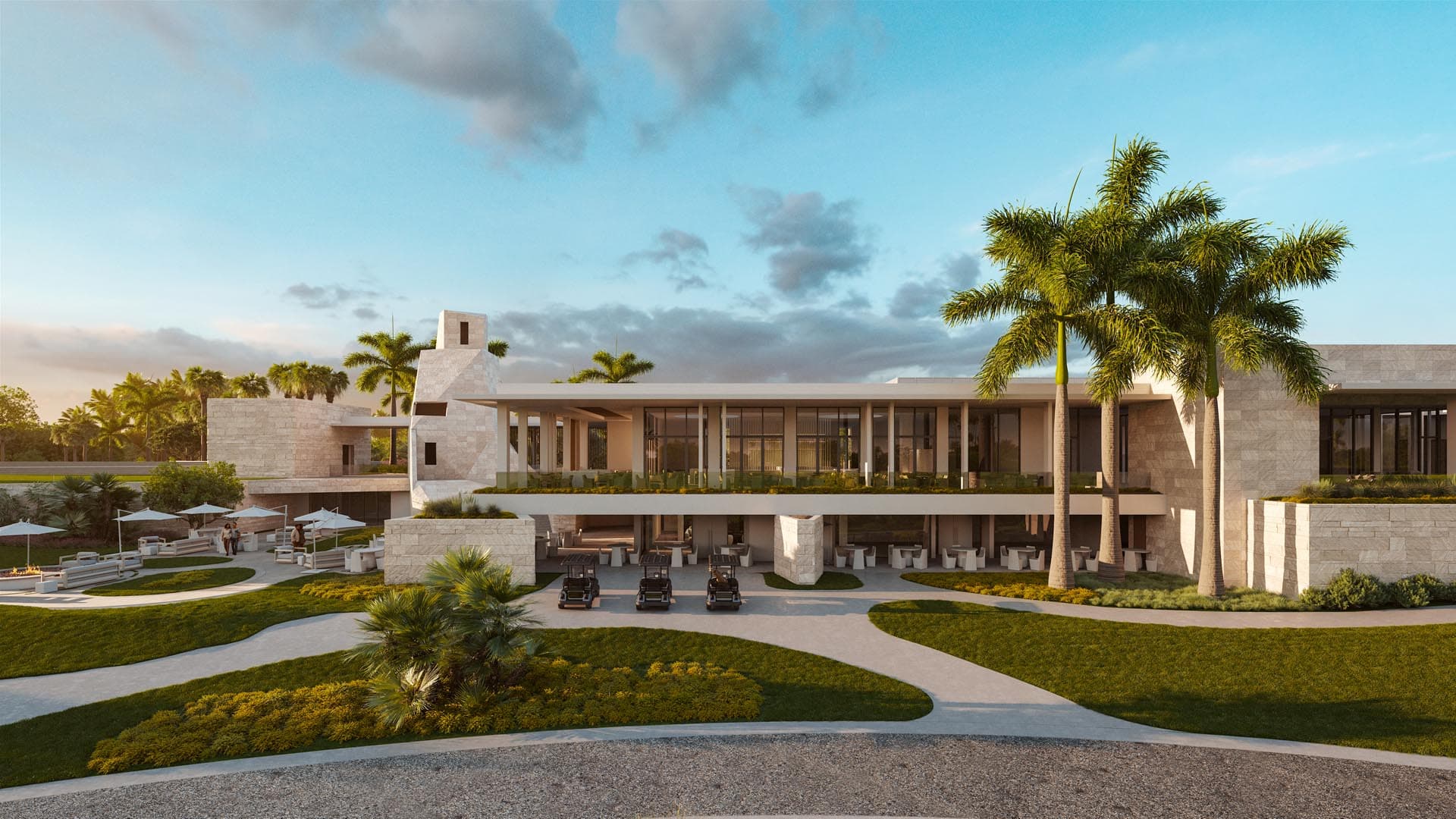
When the Greater Jacksonville Open needed a venue worthy of professional competition in the late 1960s, tournament organizers chose Deerwood Country Club. The club hosted the event from 1967-69 and again from 1973-76, establishing its credentials as one of northeast Florida's premier golfing destinations. Six decades after its founding, Deerwood continues to uphold that standard through strategic reinvestment and a commitment to championship-caliber conditions.
At a Glance
| Category | Details |
|---|---|
| Location | Jacksonville, FL |
| Established | 1960 |
| Course Designer | George Cobb |
| Renovation Architect | Erik Larsen (2025) |
| Total Yardage | 7,350 yards |
| Par | 18-hole championship course |
| Additional Courses | Par-3 course |
| Other Amenities | Pickleball courts |
| Tournament History | Greater Jacksonville Open (1967-69, 1973-76) |
The Club
Deerwood Country Club represents a particular moment in American golf architecture — the post-war boom years when courses stretched to accommodate longer hitting and when championship venues demanded substance over mere scenery. Founded in 1960 in Jacksonville's growing suburban landscape, the club emerged during Florida's transformation from seasonal retreat to year-round destination.
The club's selection to host the Greater Jacksonville Open for seven years speaks to both its design merits and operational capabilities. Professional tournaments require courses that can challenge the world's best players while providing spectator amenities and logistical infrastructure. Deerwood met those standards in an era when such venues were scarce in northeast Florida.
Today's membership benefits from that tournament pedigree. The course conditioning standards established during those professional events became embedded in the club's operational DNA, creating expectations that persist decades later. This legacy manifests in maintenance practices, agronomic investment, and design integrity that many newer clubs struggle to achieve.
The Course
George Cobb's 1960 design at Deerwood stretches 7,350 yards across Jacksonville's rolling terrain, creating a championship test that has evolved with the modern game while retaining its original strategic principles. Cobb, whose portfolio included challenging layouts throughout the Southeast, crafted a course that rewards precision over pure power — a design philosophy increasingly rare in contemporary golf.
The upcoming 2025 renovation under Erik Larsen's direction represents the most significant course investment in decades. Larsen, whose recent work has garnered attention for respecting original design intent while incorporating modern playability standards, faces the challenge of updating a tournament-tested layout without compromising its essential character.
Championship Credentials
The Greater Jacksonville Open's multi-year residency at Deerwood established the course's reputation beyond regional boundaries. From 1967-69 and again from 1973-76, professional golfers competed on Deerwood's fairways, providing real-world testing of the design's merits. Tournament golf demands courses that separate players through strategic challenge rather than gimmickry — a standard Deerwood continues to meet for its membership.
The course's 7,350-yard length places it among the longer championship venues in northeast Florida. This yardage, combined with Cobb's strategic bunkering and green complexes, creates multiple ways to challenge players of varying skill levels from different tee positions.
Architectural Evolution
Cobb's original design philosophy emphasized strategic options over forced carries, creating a course where intelligent play often trumps raw distance. The upcoming Larsen renovation will modernize infrastructure while preserving these core strategic elements. Contemporary renovations often expand tee complexes to better serve varied skill levels — a likely component of Deerwood's 2025 improvements.
The supplementary par-3 course provides additional practice opportunities and lighter recreational options for members. Short courses have gained popularity as efficient ways to improve scoring skills while accommodating players with time constraints.
Beyond the Course
Deerwood's amenity portfolio extends beyond golf to include pickleball courts, reflecting the club's adaptation to evolving member interests. The sport's explosive growth among country club demographics has prompted many established clubs to add courts, often converting underutilized tennis facilities or expanding recreational offerings.
The timing of these amenity additions matters significantly for member satisfaction. Clubs that anticipate recreational trends rather than merely reacting to them often achieve higher member retention rates. Pickleball's appeal spans age groups and skill levels, making it an ideal complement to golf programming.
Recreational Programming
Country clubs increasingly function as comprehensive lifestyle destinations rather than single-sport venues. Deerwood's amenity mix supports this broader mission while maintaining golf as the primary attraction. The par-3 course serves multiple functions: practice facility, family-friendly option, and efficient playing alternative during peak times.
Modern club management recognizes that amenity utilization rates directly impact member satisfaction and retention. Pickleball courts typically achieve higher usage rates than tennis courts among the 55+ demographic that forms the core of many private clubs' membership base.
Membership
Private club membership represents a significant financial commitment that extends far beyond golf access. Deerwood members invest in course conditions, amenity maintenance, and social infrastructure that requires consistent capital investment to maintain competitive standards.
The club's tournament history and ongoing facility investments suggest a membership base committed to championship-level standards. Members at venues with professional golf pedigree often maintain higher expectations for course conditions and playing experience — expectations that require corresponding investment in maintenance and improvements.
Investment Considerations
Country club membership involves multiple cost categories: initiation fees, monthly dues, minimum spending requirements, and special assessments for capital improvements. The 2025 course renovation likely involves member contributions through either special assessments or temporary dues increases.
Prospective members should evaluate Deerwood's investment timeline and financial commitments relative to other area options. The renovation's completion will likely influence both membership value and operational costs in subsequent years.
Location & Access
Jacksonville's position as northeast Florida's population and business center provides Deerwood with a substantial membership catchment area. The city's 950,000+ residents and growing corporate presence create demand for quality private club amenities.
Geographic positioning within Jacksonville affects commute times and usage patterns for members. Clubs located within 20-25 minutes of major business districts typically achieve higher utilization rates than more remote facilities. Deerwood's suburban location balances accessibility with the space requirements of a championship golf course.
Regional Context
Northeast Florida's golf market includes numerous private options, creating competitive pressure for member acquisition and retention. Clubs differentiate through course quality, amenity mix, social programming, and overall member experience. Deerwood's tournament history and renovation investment position it among the region's premium options.
The area's year-round playing season supports active golf programs and justifies significant course maintenance investments. Florida's favorable tax environment for private clubs also influences operational efficiency compared to higher-tax states.
Recognition
The Greater Jacksonville Open's seven-year tenure at Deerwood from 1967-69 and 1973-76 represents the club's most significant competitive recognition. Tournament golf provides objective validation of course quality and operational capabilities that extends beyond member opinions or industry rankings.
Professional tournament venues must meet specific criteria for course setup, spectator accommodation, and broadcast requirements. Deerwood's multi-year hosting demonstrates consistent ability to meet these standards — capabilities that benefit members through superior course conditions and management expertise.
Historical Significance
Tournament history creates lasting prestige that newer facilities struggle to replicate. Golf venues with professional competition pedigree often maintain higher resale values and member interest across market cycles. The Greater Jacksonville Open connection provides Deerwood with distinctive positioning among area clubs.
Contemporary golf course rankings and recognitions focus heavily on recent construction and high-profile architects. Established venues like Deerwood compete through consistent quality and strategic improvements rather than marketing-driven accolades.