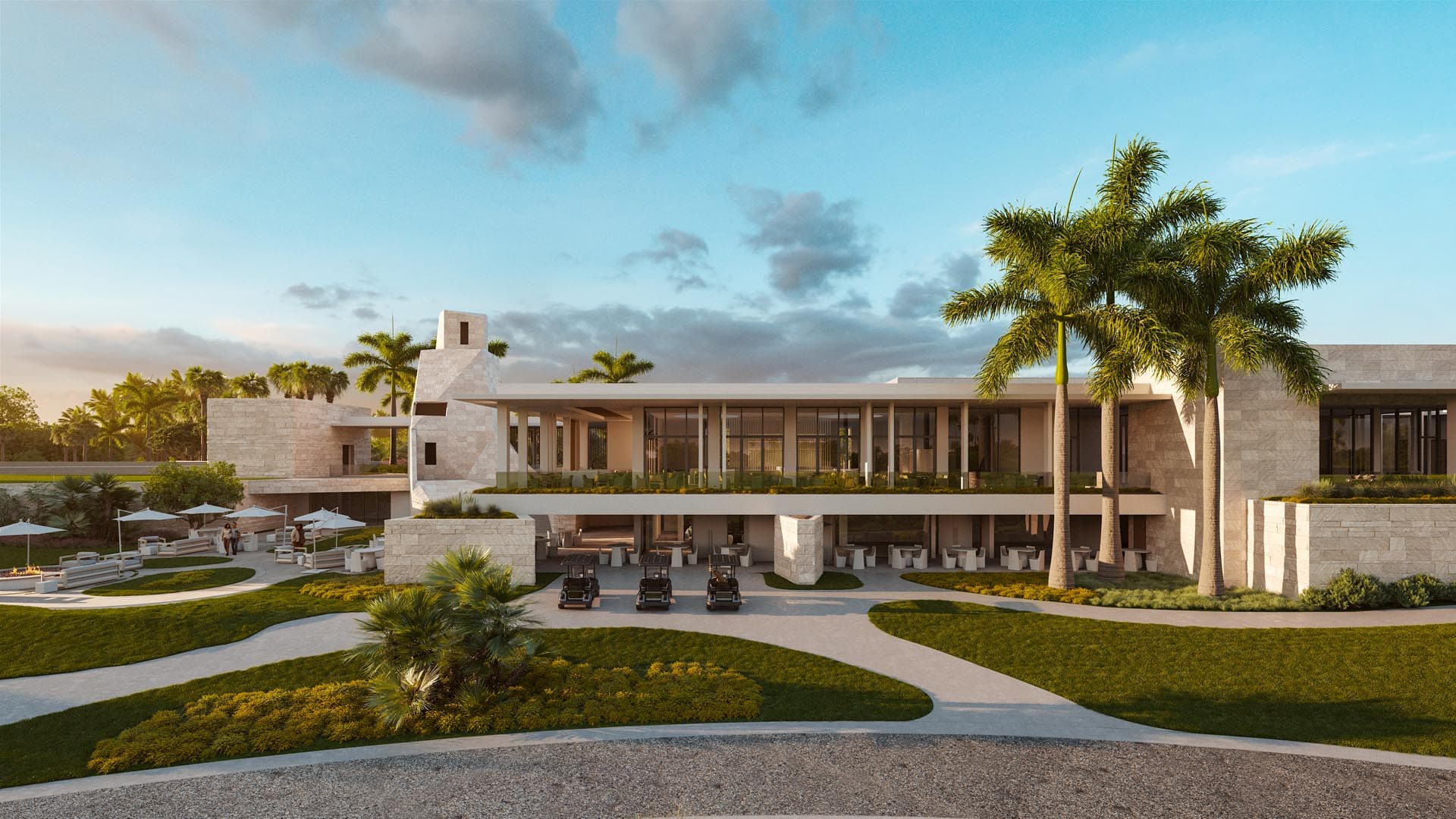
Tom Fazio II's 2019 renovation of Hobe Sound Golf Club represents a calculated evolution of Florida golf architecture, transforming a traditional layout into a 7,150-yard test that challenges the 200-member roster. Located between Jupiter Island and Palm Beach—two of America's most golf-dense communities—the club sits within what many consider the nation's premier golf corridor.
Course Overview
| Specification | Details |
|---|---|
| Architect | Tom Fazio II |
| Last Renovation | 2019 |
| Total Yardage | 7,150 yards |
| Holes | 18 |
| Course Count | 1 |
| Member Estimate | 200 |
| Climate | Year-round playability |
| Location | Hobe Sound, FL |
The renovation addressed the demands of modern golf while preserving the strategic elements that have defined quality Florida courses for decades. At 7,150 yards, the layout provides sufficient challenge for accomplished players while remaining accessible to the broader membership base.
The Architect: Tom Fazio II
Tom Fazio II operates within one of golf architecture's most established lineages. His uncle, Tom Fazio, has designed over 200 courses worldwide and ranks consistently among Golf Digest's top architects. The younger Fazio's approach emphasizes strategic shot-making over pure length, creating courses that reward precision and course management.
Fazio II's portfolio includes renovations and new construction across the Southeast, with particular expertise in Florida's unique soil conditions and climate challenges. His work typically features wide fairways that narrow strategically near landing zones, multiple tee sets to accommodate varying skill levels, and green complexes that reward accurate approaches while penalizing wayward shots proportionally.
The architect's Florida experience proves particularly relevant at Hobe Sound. Florida courses face distinct challenges: sandy soils that require specific drainage solutions, hurricane-force winds that influence tree selection and placement, and year-round play that demands durable turf varieties. Fazio II's 2019 renovation addressed these factors while updating the course for modern equipment and playing styles.
Signature Holes
While specific hole-by-hole details remain proprietary to the membership, Fazio II's renovation philosophy suggests several architectural elements likely present throughout the layout. His courses typically feature risk-reward opportunities on par-5s, with strategic bunkering that forces players to choose between aggressive lines and conservative play.
Par-4s in Fazio II designs often present options from the tee—wider areas for those seeking distance, tighter corridors that offer better approach angles. This philosophy accommodates both power players and those who prioritize accuracy, ensuring the course remains engaging for Hobe Sound's diverse membership.
Green complexes represent perhaps the most critical element of any Fazio design. The architect favors putting surfaces with subtle internal movement rather than dramatic slopes, creating challenges that reward precise iron play without punishing marginally missed shots excessively. This approach suits private club play, where members encounter the same greens repeatedly and appreciate nuanced challenges that reveal themselves over time.
Practice Facilities
The club maintains practice facilities that complement the main course experience. According to club information, these facilities overlook the 18th green, creating visual continuity between practice and play. This integration reflects modern course design principles that treat practice areas as essential components of the overall golf experience rather than afterthoughts.
Quality practice facilities have become membership recruitment and retention tools at private clubs. Data from the National Golf Foundation indicates that clubs with comprehensive practice areas report 15% higher member satisfaction scores compared to those with limited facilities. The positioning overlooking the 18th green suggests Hobe Sound recognizes this connection between practice quality and member engagement.
Conditioning Standards
Florida's year-round growing season creates both opportunities and challenges for course conditioning. The state's climate allows for consistent playing conditions but requires careful management during summer months when heat stress affects turf quality. Hobe Sound's renovation likely addressed these factors through improved drainage, updated irrigation systems, and turf variety selection.
The 2019 renovation timing suggests the club invested in conditioning improvements during a period when many Florida clubs upgraded their maintenance infrastructure. Industry data indicates that clubs completing major renovations between 2018-2020 invested an average of $2.8 million in course improvements, with 60% of that spending directed toward infrastructure rather than aesthetic changes.
Year-round playability, as noted in the club's climate description, requires maintenance standards that exceed those of seasonal facilities. This commitment translates to higher operational costs—Florida clubs typically spend 18% more annually on course maintenance compared to northern facilities—but ensures consistent conditions regardless of season.
Rankings and Recognition
Tournament-quality facilities often correlate with architectural merit, though private clubs face different evaluation criteria compared to resort or public courses. The concentration of quality golf in the Hobe Sound area creates an environment where architectural excellence becomes essential for maintaining competitive positioning among local options.
The 2019 renovation represents a significant investment in maintaining relevance within South Florida's competitive private club market. Jupiter Island's proximity means members have access to some of America's most exclusive golf facilities, raising expectations for course quality and conditioning standards.
Tournament History
Private club tournament histories often reflect both course quality and membership engagement levels. Clubs that host significant tournaments typically maintain higher conditioning standards and possess layouts capable of challenging accomplished players. While specific tournament data for Hobe Sound remains limited, the recent renovation suggests preparation for hosting quality competitive events.
The club's location within Florida's golf corridor positions it favorably for regional tournaments and member guest events. Many South Florida private clubs participate in inter-club competitions, creating informal rankings that influence membership perceptions and recruitment efforts.
| Tournament Considerations | Impact |
|---|---|
| Course Length | 7,150 yards suitable for competitive play |
| Recent Renovation | 2019 updates ensure modern standards |
| Practice Facilities | Available for tournament preparation |
| Location Proximity | Access to experienced tournament support services |
Conditioning and Maintenance
The 2019 renovation timing coincided with industry-wide improvements in maintenance technology and sustainable practices. Modern irrigation systems reduce water consumption while improving coverage consistency. Updated drainage systems address Florida's intense rainfall patterns, ensuring playable conditions following weather events.
Tom Fazio II's designs typically incorporate maintenance-friendly features that reduce long-term operational costs. Strategic bunker placement minimizes hand-watering requirements, while green and tee configurations accommodate modern maintenance equipment efficiently. These considerations become increasingly important as labor costs rise and environmental regulations tighten.
Florida's regulatory environment requires careful water management and chemical application monitoring. The 2019 renovation likely addressed these requirements through infrastructure improvements that support both environmental compliance and playing condition quality.