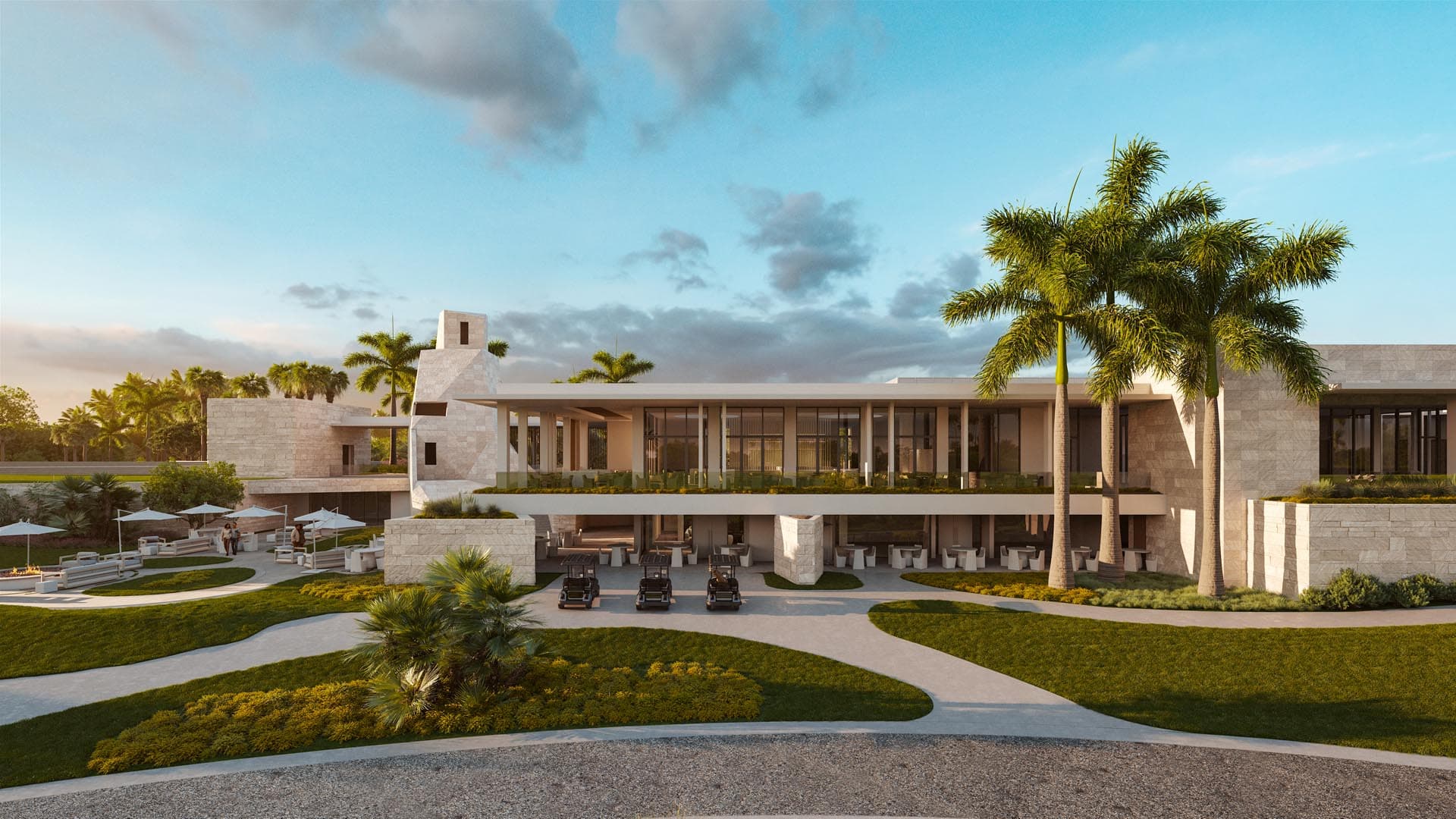
Big Canyon Country Club stands as one of Newport Beach's most established private golf facilities, having welcomed members since 1971. The John F. Harbottle III-designed course spans 6,667 yards with a slope rating of 136, making it both accessible and challenging for members across skill levels. Located in Orange County's affluent coastal corridor, Big Canyon maintains selective membership standards that require careful navigation of the application process.
Application Overview
| Component | Timeline | Key Requirements |
|---|---|---|
| Initial Expression | 1-2 weeks | Contact club directly |
| Sponsor Identification | 2-4 weeks | Two current members required |
| Application Submission | 1-2 weeks | Complete financial documentation |
| Interview Process | 2-3 weeks | Meet with membership committee |
| Committee Review | 4-6 weeks | Board evaluation period |
| Financial Commitment | Upon approval | Initiation fee plus first year dues |
Step 1: Express Interest
Begin by contacting Big Canyon's membership department directly. Unlike clubs with public waitlists, Big Canyon requires prospective members to demonstrate genuine interest through initial conversation. The club's membership office evaluates preliminary qualifications including residential proximity, golf experience, and general compatibility with the club's culture.
Ready to start your membership journey? Learn more about Big Canyon's amenities, history, and member experience at Big Canyon Country Club.
Newport Beach's private club landscape includes multiple options, making early research essential. Big Canyon differentiates itself through its established 50-plus-year history and central Orange County location. The club's 18-hole layout offers year-round playability in Southern California's favorable climate.
Step 2: Secure Sponsorship
Big Canyon requires two current members to sponsor your application. These sponsors must have maintained membership in good standing for a minimum period, though the club does not publicly specify exact requirements. Your sponsors will formally recommend you during the application process and may participate in committee discussions.
Finding appropriate sponsors requires genuine relationship building rather than transactional arrangements. Attend club events as a guest, participate in member-guest tournaments when invited, or connect through business and social networks within Newport Beach's community. Many successful applicants develop relationships with potential sponsors over 6-12 months before beginning the formal process.
Consider the timing of your sponsor requests carefully. Members who have recently sponsored other applicants may be less available or willing to sponsor again immediately. Your sponsors should be prepared to speak knowledgeably about your character, golf ability, and compatibility with club culture.
Step 3: Complete Application
Big Canyon's application requires comprehensive personal and financial information. Standard documentation includes three years of tax returns, bank statements, employment verification, and credit reports. The club may request additional documentation based on your specific financial situation or employment structure.
Golf resume components should detail your handicap history, previous club memberships, tournament participation, and playing frequency. Include any golf-related volunteer work or administrative experience, particularly if you've served on golf committees or tournament organizing groups.
Personal references beyond your sponsors typically number three to five individuals. Select references who can speak to different aspects of your character: professional colleagues, community involvement, and personal relationships. Avoid listing family members or close business partners whose objectivity might be questioned.
Step 4: Interview Process
The membership committee interview typically occurs 2-3 weeks after application submission. Big Canyon's committee generally includes 5-7 current members representing different demographics and club involvement levels. Interviews last 30-45 minutes and cover topics including golf background, community involvement, family situation, and expectations for club participation.
Prepare specific examples of community involvement or volunteer work that demonstrate character and commitment. Research Big Canyon's recent club activities, tournaments, and facility improvements to show genuine interest beyond golf access. Many committee members appreciate applicants who understand the club's history and can articulate why Big Canyon specifically appeals to them.
Dress professionally but avoid appearing overdressed for the club's culture. Business casual typically works well for most private club interviews. Arrive 10-15 minutes early and treat all club staff courteously, as their observations may be shared with the committee.
Step 5: Committee Review
Following your interview, the membership committee conducts a comprehensive review period lasting 4-6 weeks. This process includes reference verification, financial review, and background checks. Committee members may contact your sponsors for additional insights or clarification on specific application elements.
During this period, avoid contacting committee members directly or applying pressure through mutual connections. Such actions typically reflect poorly on applicants and may harm your chances. Instead, promptly respond to any requests for additional information or documentation.
The committee evaluates applications based on multiple criteria including financial capability, character references, golf background, and overall fit with club culture. Big Canyon, like most private clubs, seeks members who will actively participate in club life beyond occasional rounds of golf.
Step 6: Financial Commitment
Upon acceptance, Big Canyon requires immediate payment of initiation fees and first-year dues. While the club does not publicly disclose specific amounts, Orange County private club initiation fees typically range from $25,000 to $75,000, with annual dues adding $8,000 to $15,000. Additional assessments for capital improvements may apply periodically.
Payment options may include full payment upon acceptance or structured payment plans extending over 12-24 months. Some clubs offer reduced initiation fees for younger members or specific demographic categories, though such programs vary by club policy and current membership composition.
Budget for additional expenses beyond basic membership fees. Minimum monthly spending requirements, guest fees, cart rentals, and dining minimums can add $200-500 monthly to your club costs. Tournament entry fees, lessons, and pro shop purchases represent additional expenses for active members.
Tips for Success
Build authentic relationships. Successful applicants typically develop genuine connections with current members rather than seeking purely transactional sponsorship arrangements. Attend public charity events hosted by the club or participate in community activities where members are likely to be involved.
Demonstrate golf commitment. Maintain an established handicap through regular play at other courses. Consider taking lessons to improve your game before applying, as golf skill level can influence acceptance decisions at competitive clubs.
Financial preparation matters. Ensure your financial documentation presents a clear picture of stability and capability. Consider working with a financial advisor to organize tax returns and statements in the most favorable light while maintaining complete honesty.
Research thoroughly. Understand Big Canyon's specific culture, history, and recent developments. Reference specific aspects of the club during interviews to demonstrate genuine interest rather than generic private club desires.
What Not to Do
Never misrepresent financial information. Private clubs conduct thorough background checks and financial verification. Discrepancies or dishonesty will result in immediate rejection and potential blacklisting from other Orange County clubs.
Avoid name-dropping or pressure tactics. References to influential members or attempts to leverage business relationships for admission typically backfire. Committees value integrity and authenticity over perceived connections.
Don't rush the process. Attempting to accelerate timelines or bypass normal procedures suggests impatience incompatible with club culture. Respect established processes and timelines even when eager for membership.
Skip discussing money during interviews. Avoid asking about initiation fees, payment plans, or financial assistance during committee meetings. Such discussions should occur with membership staff after acceptance.
Never badmouth other clubs. Speaking negatively about competitors or previous club experiences reflects poorly on your character and suggests potential future problems.
Avoid overcommitting initially. Don't promise extensive volunteer involvement or tournament participation beyond what you can realistically deliver as a new member.