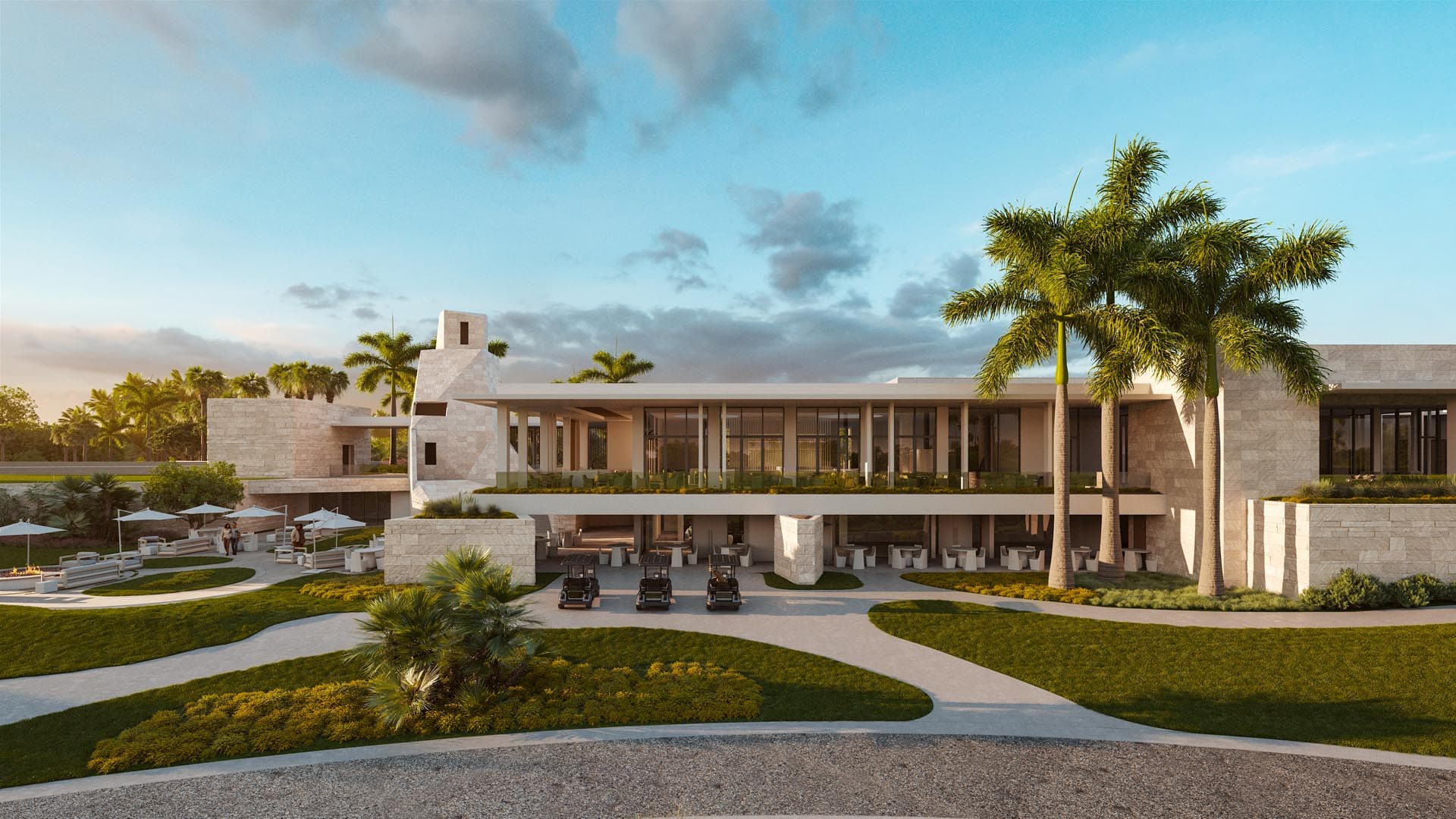
Grand Harbor Golf & Beach Club commands 178 acres of Treasure Coast waterfront in Vero Beach, Florida, where two championship courses serve 176 tournament-participating members who competed in last year's Grand Harbor Cup. The club hosts the Vero Beach International Tennis Open, drawing over 100 Women's Tennis Association players annually, while maintaining private amenities including beach club access and pickleball courts.
The membership process reflects the club's selectivity: each step builds upon documented interest, verified sponsorship, and financial capacity to support initiation fees that typically range from $75,000 to $150,000 for equity memberships at comparable Florida coastal clubs.
Application Overview
| Phase | Duration | Requirements | Cost |
|---|---|---|---|
| Interest Expression | 1-2 weeks | Initial inquiry, preliminary screening | $0 |
| Sponsorship | 2-4 weeks | Two current member sponsors required | $0 |
| Application Submission | 1 week | Complete documentation, financial verification | Application fee (~$500-1,500) |
| Interview Process | 2-3 weeks | Committee interviews, club visit | $0 |
| Membership Review | 4-6 weeks | Board evaluation, background checks | $0 |
| Financial Commitment | 1-2 weeks | Initiation fee, monthly dues setup | Full membership investment |
Step 1: Express Interest
Contact the membership office directly by phone or schedule an introductory visit. Grand Harbor's membership team conducts preliminary qualification discussions covering residency patterns, golf handicap ranges, and general club usage expectations.
Florida's coastal clubs report 40% of new members relocate from northern states, with peak inquiry periods occurring October through March when seasonal residents evaluate long-term commitments. The club typically requests basic information: primary residence, seasonal presence in Vero Beach, golf experience, and family composition.
Ready to explore membership at one of Vero Beach's premier clubs? Learn more about Grand Harbor Golf & Beach Club's amenities, tournaments, and member benefits at Grand Harbor Golf & Beach Club.
Document your specific interests: championship golf on two courses, beach club privileges, tennis programs including the WTA tournament hosting, or pickleball facilities. This information shapes subsequent conversations and demonstrates serious intent rather than casual inquiry.
Step 2: Secure Sponsorship
Two current Grand Harbor members must sponsor your application. Sponsors typically know you personally or professionally and can speak to character, community involvement, and club compatibility.
The sponsorship process requires more than casual acquaintances. Effective sponsors understand your lifestyle, can articulate why you'll contribute positively to club culture, and have standing within the membership community. They'll face questions about your financial stability, social demeanor, and likely participation levels in club activities.
Consider these sponsor identification strategies: professional networks in Vero Beach, participation in local charitable organizations, or introductions through mutual friends already connected to Grand Harbor members. Many successful applicants spend 6-12 months building relationships before formal sponsorship requests.
Sponsors submit written recommendations detailing their relationship duration with you, observations of your character, and specific examples of community involvement or social contributions that would enhance club membership.
Step 3: Complete Application Documentation
The formal application requires comprehensive personal and financial documentation. Expect requests for tax returns covering the previous two years, bank statements, investment account summaries, and professional references.
Grand Harbor, like most equity clubs, evaluates financial capacity beyond initiation fees. Annual dues typically range $15,000-25,000, with additional assessments for capital improvements or special projects. The club requires demonstration of liquid assets sufficient for membership costs without financial strain.
Employment history, education background, and community involvement receive scrutiny. The application includes questions about other club memberships, resignation circumstances if applicable, and references from previous clubs. Character references from non-members—typically professional colleagues, longtime friends, or community leaders—supplement sponsor recommendations.
Photography requirements include recent professional headshots of all family members included in the membership. Some clubs request family photos in appropriate club attire, demonstrating understanding of dress codes and social expectations.
Step 4: Navigate the Interview Process
The membership committee conducts interviews with all adult family members. These sessions, lasting 45-90 minutes, occur at the club during peak activity periods, allowing natural interactions with current members and staff.
Interview topics cover golf experience and expectations, family lifestyle preferences, community involvement patterns, and club utilization plans. Committees evaluate social compatibility, potential contributions to club culture, and genuine interest in long-term membership rather than short-term accommodation needs.
Dress appropriately for club standards: business casual or golf attire for daytime interviews, cocktail attire for evening sessions. Arrive early to tour facilities, interact naturally with staff and members, and demonstrate comfort in the club environment.
Common interview questions address seasonal residence patterns (particularly relevant for Treasure Coast clubs), golf handicap maintenance, interest in tournaments like the Grand Harbor Cup, and willingness to participate in social events and member activities.
Step 5: Await Membership Review
The membership board reviews applications following committee recommendations. This phase includes background verification, financial checks, and reference confirmation. Processing typically requires 4-6 weeks, though complex applications or incomplete documentation extends timelines.
During review periods, avoid pressure tactics or excessive contact with club staff. Membership decisions reflect committee consensus and board approval—individual lobbying efforts often backfire by suggesting impatience or entitlement inappropriate for club culture.
The club may request additional documentation or clarification during review. Respond promptly and completely to such requests, as delays signal lack of serious commitment or organization skills that clubs value in members.
Rejection rates at established clubs typically range 10-25%, with financial qualification issues, character concerns, or cultural fit questions driving negative decisions. Successful applicants usually receive conditional approval pending final financial arrangements.
Step 6: Financial Commitment and Orientation
Approved applicants receive membership agreements detailing initiation fees, monthly dues, minimum spending requirements, and resignation terms. Review these documents carefully—equity memberships involve significant financial commitments with specific obligations and benefits.
Initiation fees at comparable Florida coastal clubs range $75,000-150,000, payable upon acceptance or according to agreed payment schedules. Monthly dues cover operational expenses, with additional charges for dining, guest privileges, and special services.
New member orientation introduces club policies, facility usage guidelines, tournament sign-up procedures, and social event protocols. This process includes golf pro consultations, dining reservations systems, and guest policy explanations.
Consider scheduling introductory golf rounds, tennis lessons, or dining experiences during orientation weeks to begin building relationships with members and staff who'll enhance your club experience.
Tips for Success
Research Grand Harbor's culture thoroughly. The club's tournament tradition, including the 176-member Grand Harbor Cup participation and WTA tournament hosting, indicates serious athletic competition alongside social activities. Demonstrate genuine interest in these signature events.
Build authentic relationships before applying. Attend Vero Beach community events, join local organizations, or participate in charitable activities where you might naturally encounter Grand Harbor members. Forced networking attempts appear obvious and counterproductive.
Financial preparation extends beyond initiation fees. Budget for annual dues, dining minimums, guest fees, and potential assessments. Clubs appreciate members who contribute financially without constant cost concerns or payment delays.
Present family unity regarding membership decisions. Committees notice when spouses show different enthusiasm levels or children express reluctance about club involvement. Address family concerns privately before interviews.
What Not to Do
Never approach potential sponsors with purely transactional requests. Relationships requiring 12-18 months development cannot be rushed through aggressive networking or social climbing attempts.
Avoid emphasizing business networking opportunities during interviews. While professional relationships develop naturally among members, clubs prefer applicants seeking recreation, family activities, and genuine community rather than customer development prospects.
Don't minimize financial commitments or suggest membership represents investment opportunities. Clubs seek members who view dues and fees as lifestyle expenses, not business investments requiring returns.
Resist comparing Grand Harbor negatively to other clubs during application processes. Such comparisons suggest shopping behavior rather than genuine club preference and community commitment.
Never exaggerate golf handicaps, tournament experience, or athletic abilities. Club communities quickly identify misrepresentations, damaging credibility permanently.