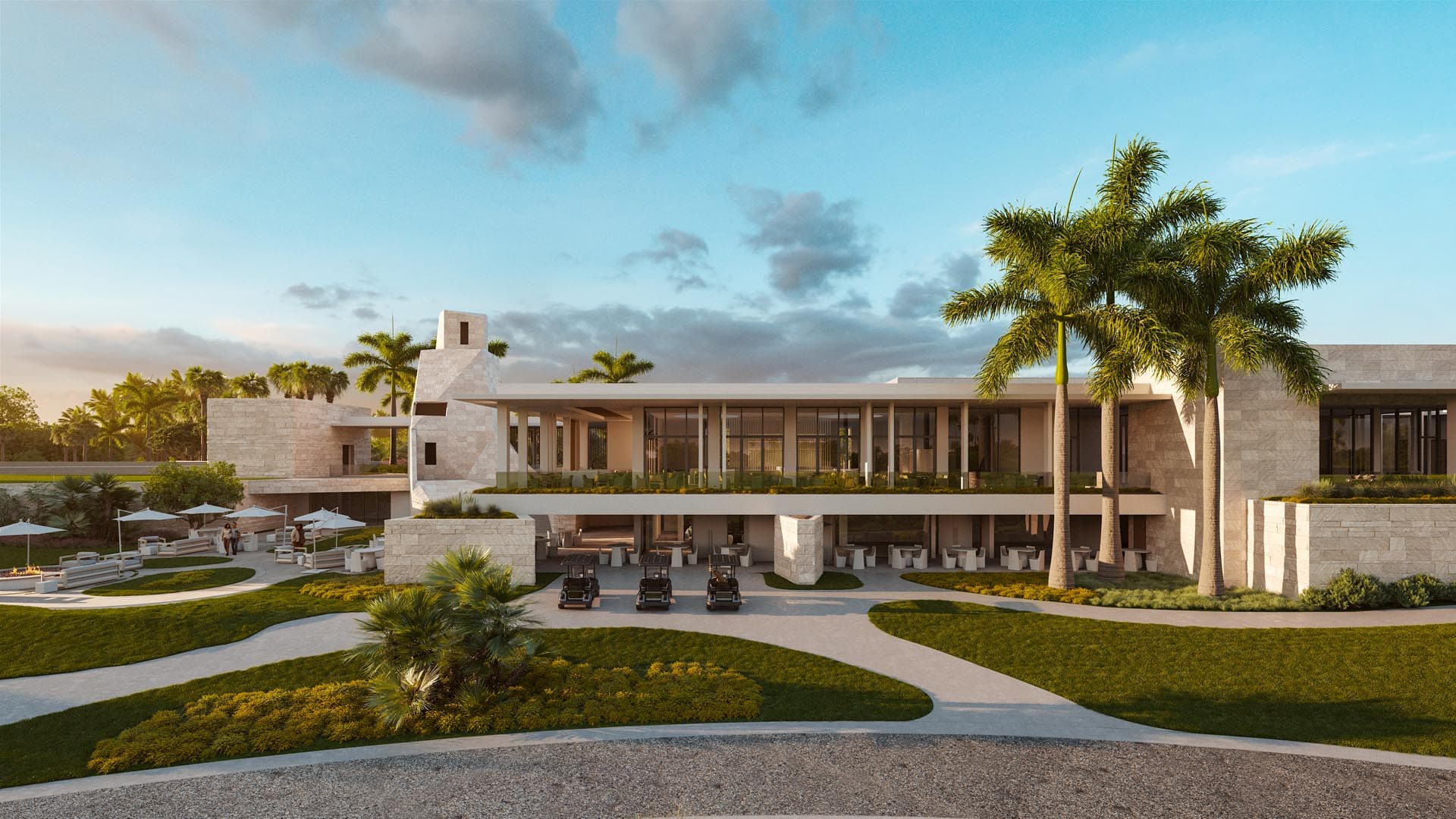
Since 1930, Indian Creek Country Club has occupied a singular position in American golf: a private retreat on a man-made island where membership requirements extend far beyond handicap indexes. Located on Indian Creek Island in Miami Beach, this 18-hole sanctuary represents one of the most restrictive club memberships in the United States, with initiation fees that officially list at $100—a figure that tells precisely nothing about the true cost of admission.
Founding: Creating Paradise on Dredged Land
Carl Fisher, the automotive entrepreneur who transformed Miami Beach from mangrove swamps into a resort destination, conceived Indian Creek Island as the ultimate residential enclave in the late 1920s. The 294-acre artificial island, constructed through extensive dredging operations, required $15 million in development costs—equivalent to approximately $230 million today.
The club opened in 1930, coinciding with the completion of the island's infrastructure. William S. Flynn, the architect behind Shinnecock Hills and Merion's East Course, designed the original 18-hole layout to maximize the island's unique topography. Flynn's routing utilized every acre of available land, creating a course that stretches from Biscayne Bay to the Atlantic Ocean.
The timing proved challenging: the 1929 stock market crash had devastated the Florida real estate market, and many comparable developments failed. Indian Creek survived through the financial backing of its initial membership, which included prominent industrialists and financiers who viewed the club as a long-term investment rather than a speculative venture.
Early Years: Establishing Exclusivity
The club's membership structure, established in its founding documents, limited total membership to 300 individuals. This cap, combined with the requirement that members must own property on Indian Creek Island, created an immediate scarcity that defined the club's character.
By 1935, the club had weathered the Depression's worst effects. Property values on the island stabilized at approximately $50,000 per lot—a premium that reflected both the location's desirability and the club's reputation. The course quickly gained recognition for its conditioning, with Bermuda grass fairways and greens that remained playable year-round.
The club's early membership rolls included automotive magnates, textile manufacturers, and financial executives who appreciated the privacy afforded by the island setting. Unlike many Florida clubs that courted publicity, Indian Creek cultivated anonymity, establishing policies that prohibited press access and maintained strict confidentiality regarding member activities.
Growth & Evolution: Maintaining Standards Through Decades
The post-war boom years brought significant changes to Miami Beach, but Indian Creek remained largely insulated from development pressures. In 1952, the club completed its first major renovation, updating Flynn's original design to accommodate modern equipment while preserving the layout's strategic elements.
The 1960s marked a period of subtle evolution. The club upgraded its facilities, adding amenities including tennis courts, expanded dining facilities, and enhanced locker room accommodations. However, these improvements maintained the understated elegance that distinguished Indian Creek from more ostentatious Florida clubs.
A significant renovation occurred in 1987, led by golf course architect Arthur Hills. This project addressed drainage issues endemic to low-lying coastal courses while modernizing bunkers and green complexes. The renovation cost exceeded $3 million and required a temporary assessment from members, demonstrating the club's commitment to maintaining championship conditions.
Tournament History: Private Excellence
Indian Creek's tournament history reflects its private nature. The club has never hosted major professional championships, a deliberate choice that preserves member privacy and course conditions. Instead, the club has featured in select amateur events and member tournaments that attract minimal public attention.
The club annually hosts the Indian Creek Invitational, a member-guest tournament that draws participants from premier clubs throughout the United States. This four-day event, limited to 48 teams, generates competition among the nation's top amateur golfers while maintaining the club's exclusive atmosphere.
Notable competitive achievements include several club members who have competed in USGA championships. The course record, established during a member tournament in 1998, stands at 65 strokes—a testament to both course quality and membership skill levels.
Today: Modern Exclusivity in an Unchanged Setting
Current membership at Indian Creek remains capped at 300, with the club maintaining its policy requiring island residency. Property values on Indian Creek Island now average $15 million per residence, creating a natural barrier that limits potential applicants to ultra-high-net-worth individuals.
The club's facilities have expanded to include comprehensive spa services, a fitness center, swimming pool, and boat docking facilities that serve members' yachts. These amenities support a lifestyle that extends beyond golf, reflecting members' expectations for complete privacy and luxury.
Despite listing initiation fees at $100, actual membership costs include property ownership requirements, extensive vetting processes, and unofficial expectations that make the true barrier to entry significantly higher. The club operates on an invite-only basis, with potential members requiring sponsorship from existing members and approval from the admissions committee.
Timeline: Key Dates in Indian Creek History
| Year | Event |
|---|---|
| 1928 | Indian Creek Island construction begins |
| 1930 | Indian Creek Country Club opens, designed by William S. Flynn |
| 1935 | Club survives Depression with stable membership |
| 1952 | First major course renovation completed |
| 1960s | Facility upgrades include tennis courts and expanded amenities |
| 1987 | Arthur Hills renovation addresses drainage and modernizes design |
| 1998 | Current course record of 65 established |
| Present | Membership remains capped at 300 with residency requirement |