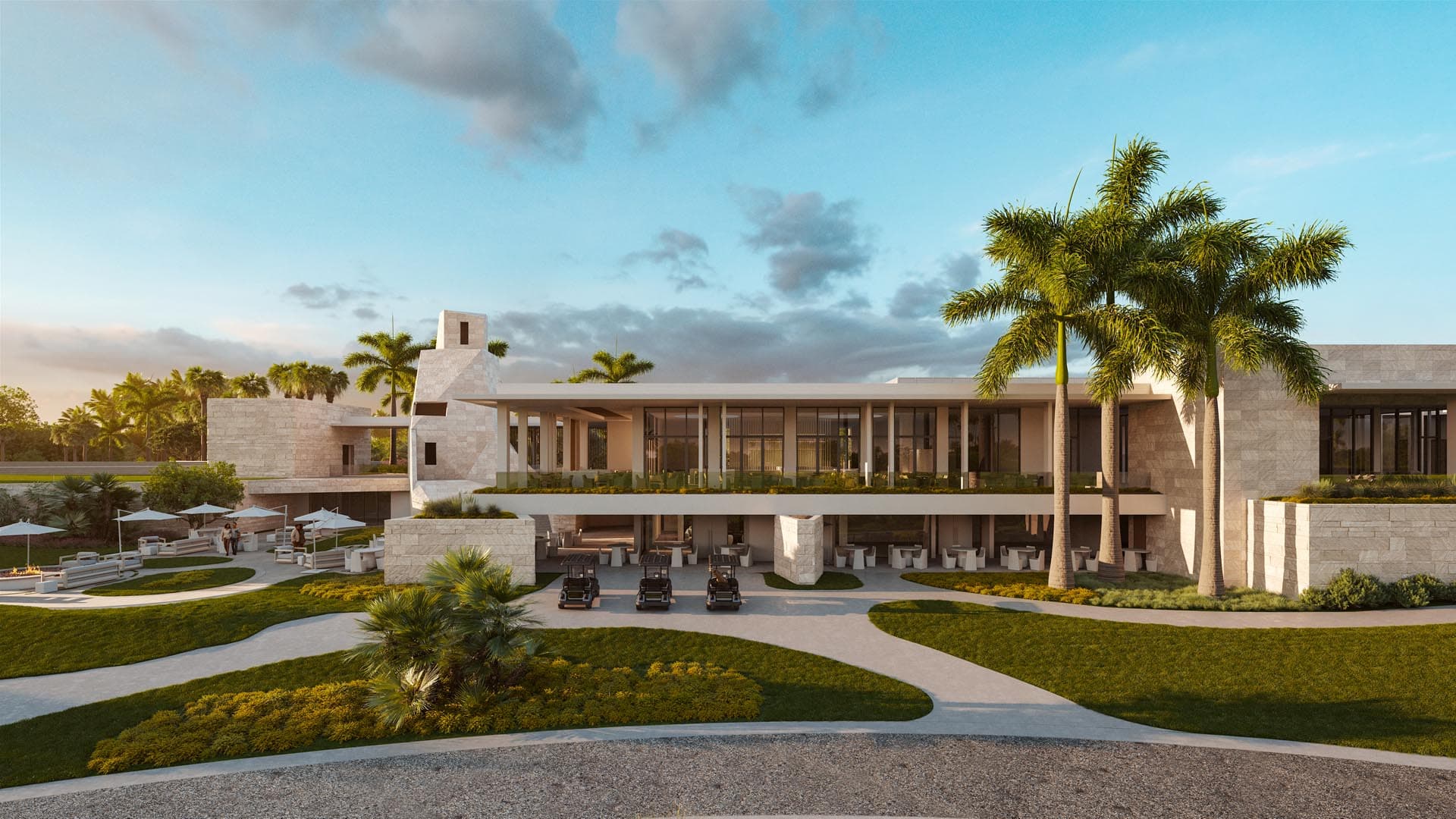
When Jack Nicklaus surveys a piece of land for a golf course, he looks for natural drama. In Aliso Viejo's coastal foothills, 35 miles southeast of Los Angeles, he found precisely that: rolling terrain framed by mountain ranges and valleys that would accommodate one of his more challenging California designs. Since opening, this 18-hole layout has established itself as Orange County's premier private club destination, where a 6,571-yard course plays to a slope rating of 132.
At a Glance
| Category | Details |
|---|---|
| Location | Aliso Viejo, Orange County, CA |
| Course Architect | Jack Nicklaus, ASGCA / Jack Nicklaus II, ASGCA |
| Course Length | 6,571 yards |
| Slope Rating | 132 |
| Holes | 18 |
| Setting | Coastal foothills with mountain and valley views |
| Membership Type | Private |
| Key Amenities | Dining, fitness center, private events |
The Club
Aliso Viejo Country Club occupies a distinctive position in Orange County's private club landscape. Built in the coastal foothills that define this region's geography, the club leverages its elevated setting to offer views across valleys toward distant mountain ranges. The facility represents the intersection of Nicklaus design philosophy and Southern California's year-round golf climate, where average temperatures range from 60°F in winter to 75°F in summer.
The club's location in Aliso Viejo places it within one of Orange County's newer master-planned communities. Incorporated in 2001, Aliso Viejo maintains a median household income of approximately $115,000, with 78% of residents holding bachelor's degrees or higher. This demographic profile aligns with the club's membership base, which draws from Orange County's professional and executive community.
The facility operates as a full-service private club, combining golf with dining and fitness amenities. Members access approximately 150 acres of maintained grounds, including the championship golf course and supporting facilities designed to accommodate both casual recreation and tournament play.
The Course
The 6,571-yard championship course represents collaborative work between Jack Nicklaus and Jack Nicklaus II, both certified members of the American Society of Golf Course Architects. The father-son design team utilized the property's natural elevation changes to create a layout that presents different challenges across its 18 holes, with a slope rating of 132 indicating above-average difficulty for skilled players.
Nicklaus course design typically emphasizes strategic options, requiring golfers to consider risk-reward scenarios on approach shots. The Aliso Viejo layout follows this philosophy, incorporating the property's natural contours to create varied playing angles and green complexes that reward precise shot-making. The course routing takes advantage of the site's topography, with several holes offering elevated tee shots across valleys and others requiring uphill approaches to elevated greens.
The slope rating of 132 places this course in the challenging category, approximately 12 points above the standard rating of 120. This suggests that higher-handicap players will find the course particularly demanding, while skilled players encounter a test that requires course management and strategic thinking rather than pure distance.
Course conditions benefit from Orange County's Mediterranean climate, which provides approximately 280 days of sunshine annually and minimal seasonal weather variation. The growing season extends nearly year-round, allowing for consistent turf conditions and playability across all 12 months.
Beyond the Course
The club's amenities extend beyond golf to accommodate members' broader recreational and social needs. The dining program focuses on California fusion cuisine, emphasizing farm-fresh products, freshly caught seafood, and prime steaks. This culinary approach reflects Orange County's proximity to both Pacific fisheries and Central California agricultural regions, allowing the kitchen to source ingredients within a 200-mile radius.
A fitness center provides members with exercise options independent of golf activities. While specific equipment details are not disclosed, such facilities typically include cardiovascular equipment, weight training areas, and group exercise spaces designed to serve a membership base with diverse fitness interests.
The club accommodates private events, leveraging its setting and facilities for member functions, corporate gatherings, and special occasions. Orange County's event industry generates approximately $5 billion annually, with private clubs capturing a significant portion of high-end corporate and social events due to their exclusive settings and full-service capabilities.
Social activities programming provides additional value for members seeking community connection beyond golf. Private clubs typically organize 50-100 events annually, ranging from wine tastings and seasonal celebrations to tournaments and family activities.
Membership
Membership details at Aliso Viejo Country Club are not publicly disclosed, following standard practice among private clubs. Orange County private clubs typically maintain waiting lists, though specific timing varies based on membership category and seasonal demand.
The club's location in Aliso Viejo positions it within a demographic that can support private club membership. The city's median home value exceeds $800,000, with 45% of households earning above $100,000 annually. This economic foundation provides a natural membership base for private club amenities and services.
Private clubs in Orange County typically structure membership around golf access, with additional categories for social and junior members. Initiation fees generally range from $25,000 to $100,000, while monthly dues vary based on membership type and included services. These financial commitments reflect the substantial operational costs of maintaining championship golf courses and full-service facilities in high-cost Southern California markets.
Location & Access
Aliso Viejo's position in south Orange County provides members with convenient access to major transportation corridors and employment centers. The city sits approximately 8 miles from Interstate 5, the primary north-south route connecting Los Angeles and San Diego counties. John Wayne Airport, located 15 miles north in Santa Ana, offers domestic and international flight service for members traveling on business or leisure.
The surrounding coastal foothills create natural boundaries that have preserved open space and recreational opportunities. Aliso Viejo borders several regional parks and wilderness areas, including the 4,500-acre Aliso and Wood Canyons Wilderness Park. This geographic context enhances the club's appeal for members who value access to both recreational amenities and natural settings.
Orange County's economic foundation supports the private club market through diverse industry sectors. The county generates approximately $240 billion in annual economic output, with significant contributions from technology, aerospace, tourism, and international trade. This economic diversity provides stability for private club membership, as members represent multiple industries and income sources.
The club's proximity to coastal areas offers additional recreational opportunities. Laguna Beach lies 10 miles southwest, while Newport Beach sits 12 miles northwest. These destinations provide members with ocean access, dining options, and cultural amenities that complement the club's inland location.
Recognition
Private clubs typically earn recognition through tournament hosting, architectural awards, and industry publications. However, specific accolades for Aliso Viejo Country Club are not detailed in available information.
Jack Nicklaus-designed courses generally receive attention from golf publications and rating organizations due to the architect's reputation and design philosophy. Golf Digest and Golf Magazine regularly feature Nicklaus courses in their rankings and architectural discussions, though specific ratings for individual courses vary based on multiple evaluation criteria.
The club's participation in Orange County's private club community likely includes reciprocal arrangements and inter-club competitions common among regional facilities. These relationships provide members with expanded playing opportunities and social connections across the broader private club network.