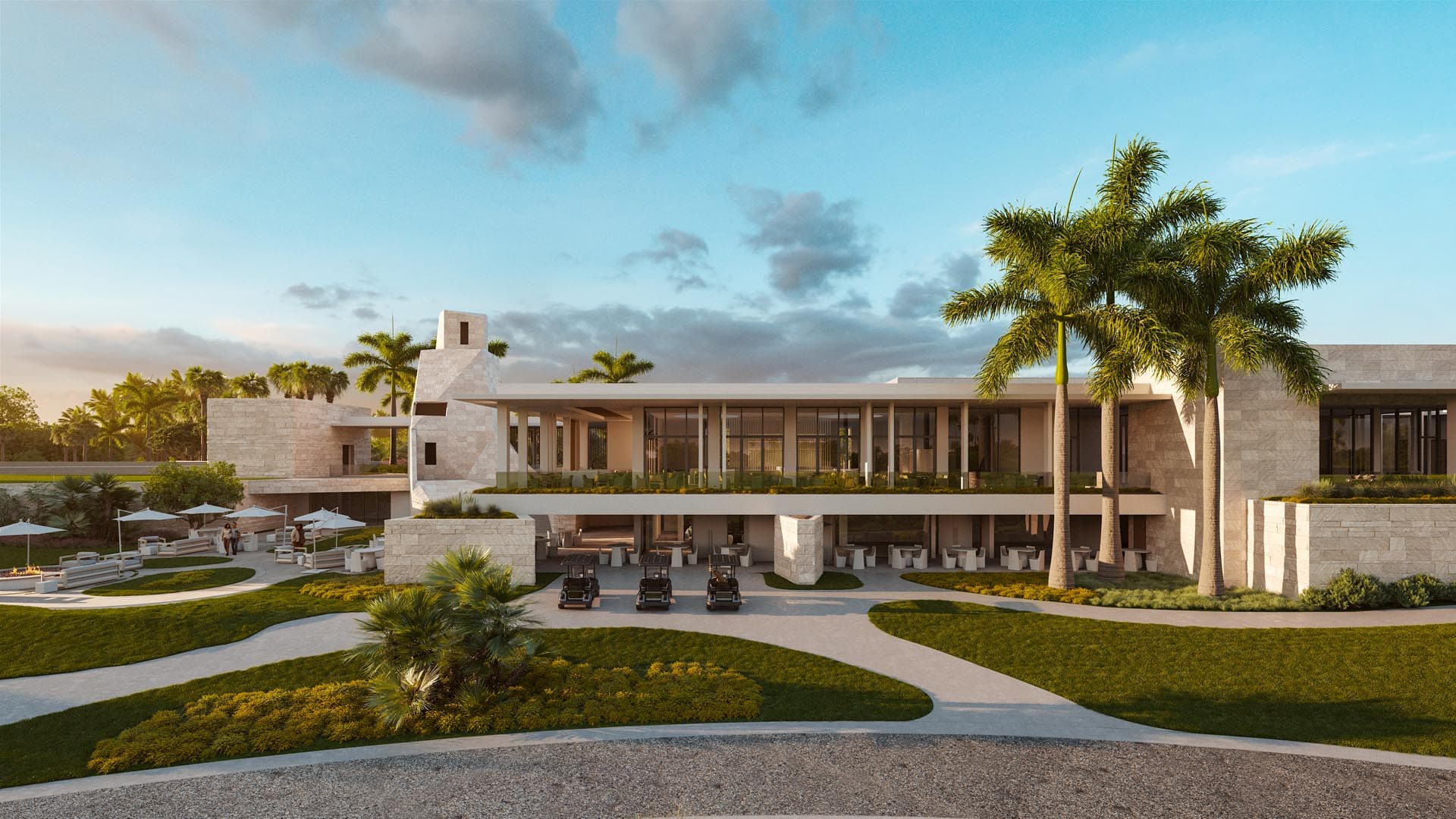
Founded during the Roaring Twenties, Chevy Chase Country Club occupies 85 acres of Verdugo Mountains terrain in Glendale, California. This 99-year-old club operates a 9-hole golf course stretched across 5,003 yards, designed by William F. Bell, a member of the American Society of Golf Course Architects.
At a Glance
| Detail | Specification |
|---|---|
| Founded | 1925 |
| Location | Glendale, CA |
| Golf Course | 9 holes, 5,003 yards |
| Architect | William F. Bell, ASGCA |
| Slope Rating | 125 |
| Membership Categories | 6 types available |
| Dining Venues | 1 restaurant |
| Pool Facilities | 75-foot swimming pool |
| Setting | Verdugo Mountains canyon |
The Club
The club's 1925 founding coincided with Glendale's transformation from agricultural land to residential community. Positioned in the Verdugo Mountains' natural canyons, the facility serves the greater Los Angeles metropolitan area's northern reaches. The club's location places it 15 minutes from downtown Glendale and 25 minutes from central Los Angeles.
Membership structure includes six distinct categories: Golf, Social, Social Golf, CCEA Social, Summer Social, and Foot Golf. This tiered approach reflects the club's adaptation to changing recreational preferences over nearly a century of operation. The CCEA Social membership appears to reference a corporate or association partnership, though specific details of this arrangement remain undisclosed.
The club's founding story emphasizes its role as a "vibrant focal point for community gatherings," positioning itself as more than a golf facility within Glendale's social infrastructure.
The Course
William F. Bell's 9-hole design maximizes the available mountain canyon terrain across 5,003 yards. The course carries a slope rating of 125, indicating moderate difficulty for average golfers. Bell, a member of the American Society of Golf Course Architects, brought significant design credentials to this compact layout.
The course's mountain canyon setting provides natural elevation changes and strategic challenges within its abbreviated format. Nine-hole courses require architectural efficiency—each hole must serve dual purposes when players complete 18-hole rounds. Bell's design likely incorporates different tee boxes for the second nine to create variety.
At 5,003 yards for nine holes, the average hole length approaches 556 yards, though this figure includes par-3, par-4, and par-5 holes. The Verdugo Mountains setting suggests holes play along canyon floors and hillsides, creating natural obstacles and dramatic elevation changes.
Beyond the Course
The club's amenities reflect both traditional country club offerings and contemporary recreational trends. The 75-foot swimming pool serves as the primary aquatic facility, sized appropriately for lap swimming and recreational use. Pool dimensions suggest a focus on serious swimming rather than purely social gathering space.
The Sycamore restaurant operates as the club's sole dining venue, emphasizing locally-sourced ingredients and innovative cuisine. This farm-to-table approach aligns with California's culinary culture and the club's mountain location, where local sourcing likely includes produce from nearby San Fernando Valley farms.
Footgolf represents the club's adaptation to emerging recreational trends. This hybrid sport combines soccer skills with golf course layouts, typically played on shortened holes. The club's nine-hole format adapts well to footgolf, offering an alternative revenue stream and attracting younger demographics.
Private event spaces and wedding venues capitalize on the Verdugo Mountains setting. Canyon locations provide natural amphitheater effects and dramatic backdrops for celebrations. Wedding venue operations require significant infrastructure including catering facilities, parking, and acoustic considerations.
Membership
Six membership categories suggest a comprehensive approach to member recruitment and retention:
| Membership Type | Likely Focus |
|---|---|
| Golf | Full golf privileges |
| Social | Dining and events only |
| Social Golf | Limited golf with full social access |
| CCEA Social | Corporate/association partnership |
| Summer Social | Seasonal membership |
| Foot Golf | Specialized sport access |
The Summer Social category reflects California's year-round golf season, likely offering reduced rates during peak summer months when many members travel. Corporate partnerships through CCEA Social membership provide group access for business entertainment.
Footgolf membership as a standalone category indicates significant investment in this alternative sport. Dedicated footgolf members likely pay reduced fees compared to golf members while accessing specialized playing times and equipment.
Waitlist information remains undisclosed, though proximity to Los Angeles suggests demand pressures common among urban-adjacent clubs. The club's 99-year operating history indicates stable membership demand and successful member retention strategies.
Location & Access
Glendale's position in the San Fernando Valley provides convenient access to multiple Los Angeles communities. The Verdugo Mountains location offers natural separation from urban density while maintaining metropolitan accessibility.
Highway access includes the 2 Freeway (Glendale Freeway) and 134 Freeway (Ventura Freeway), connecting the club to Pasadena, Hollywood, and downtown Los Angeles. Bob Hope Airport in Burbank sits approximately 10 minutes away, serving private aviation members.
The canyon setting provides natural sound barriers from urban noise while creating microclimatic conditions. Mountain locations typically experience temperature variations and wind patterns distinct from valley floors, affecting golf course maintenance and playing conditions.
Glendale's demographics support country club membership with median household incomes above California averages. The city's proximity to entertainment industry employment centers in Burbank and Hollywood likely influences membership composition.
Recognition
The club's 99-year operational history represents its primary recognition—survival and continuity in a competitive market. Los Angeles County contains numerous country clubs, making longevity a significant achievement.
William F. Bell's architectural credentials provide design pedigree. Bell designed courses throughout California during the early-to-mid 20th century, and his ASGCA membership indicates peer recognition within the golf architecture profession.
The Verdugo Mountains setting itself constitutes a form of recognition—natural beauty and dramatic topography that money cannot replicate at flat suburban sites. This geographical advantage distinguishes the club from numerous Los Angeles-area competitors.