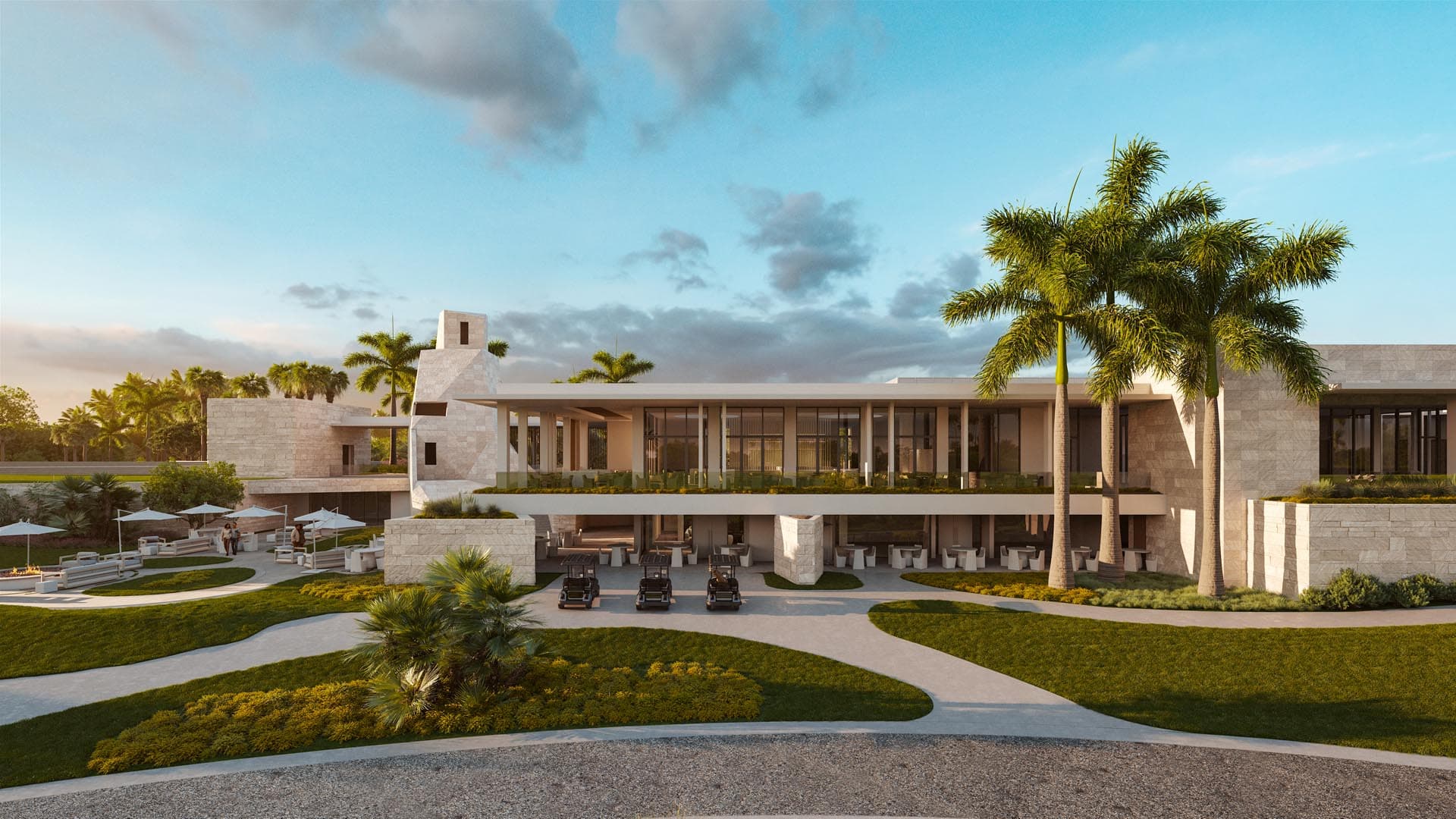
In a state where private clubs number in the hundreds, Collier's Reserve Country Club distinguishes itself through an unusual combination: championship golf architecture and rigorous environmental stewardship. Since 1993, this member-owned facility has maintained one of only a handful of Audubon International Cooperative Sanctuary designations among American private clubs, managing 450 acres along Naples' Cocohatchee River with surgical precision.
At a Glance
| Attribute | Detail |
|---|---|
| Location | Naples, Florida |
| Founded | 1993 |
| Architect | Arthur Hills |
| Holes | 18 |
| Par | 72 |
| Acreage | 450 |
| Initiation Fee | $150,000 |
| Membership Status | Waitlist |
| Environmental Designation | Audubon International Cooperative Sanctuary |
The Club
Collier's Reserve operates under member ownership, a governance structure that allows approximately 375 members to maintain direct control over club operations and capital investments. The member-owned model, found in roughly 60% of America's most exclusive private clubs, ensures decisions prioritize long-term member satisfaction over quarterly profit margins.
The club's environmental credentials extend beyond marketing rhetoric. Audubon International designation requires documented compliance with habitat management, water conservation, waste reduction, and pollution prevention standards across six categories. Fewer than 900 golf facilities worldwide hold this certification, with private clubs representing roughly 15% of that total.
The 450-acre property spans both sides of the Cocohatchee River, creating natural boundaries that define play corridors while preserving indigenous wildlife habitats. This dual-purpose approach allows the club to maintain tournament-quality conditioning while supporting populations of native species including wood storks, ospreys, and Florida panthers.
The Course
Arthur Hills designed the championship layout to complement rather than dominate the natural landscape. Hills, who completed more than 180 courses during his career, emphasized strategic shot-making over pure distance, a philosophy evident in the par-72 routing that places premium on course management and precision placement.
The course incorporates existing wetlands and hardwood hammocks as both hazards and habitat preservation zones. Water comes into play on 14 holes, though not always obviously — Hills employed subtle grading and natural elevations to create risk-reward scenarios that reveal themselves only after multiple rounds.
Notable design elements include:
- Native vegetation buffers between playing corridors and sensitive environmental areas
- Minimal earth movement during construction to preserve existing drainage patterns
- Strategic bunkering that emphasizes accuracy over distance
- Multiple tee complexes accommodating handicaps from scratch to 25
The course conditioning reflects Southwest Florida's year-round growing season, with bermudagrass fairways and TifEagle greens maintained at stimpmeter readings consistently above 10 during peak season.
Beyond the Course
The amenities portfolio reflects contemporary member expectations while maintaining the club's conservation ethos. The 35,000-square-foot clubhouse, completed in phases between 1993 and 2008, houses dining facilities, meeting spaces, and member services across two levels.
Athletic Facilities
| Facility | Specifications |
|---|---|
| Tennis Courts | 4 Har-Tru courts |
| Pickleball Courts | 6 courts (converted from tennis) |
| Fitness Center | 3,500 square feet |
| Swimming Pool | Junior Olympic dimensions |
| Marina | 24 wet slips, deep-water access |
The marina provides direct access to the Gulf of Mexico via the Cocohatchee River, eliminating the need for members to maintain separate boat storage. Slip fees average $2,400 annually, comparable to commercial marina rates in the Naples market.
Dining Operations
The club maintains two dining venues: a formal dining room serving contemporary American cuisine and a casual grille overlooking the 18th green. Food and beverage minimums average $150 monthly per membership, standard for clubs of similar stature in the Naples market.
Membership
The $150,000 initiation fee places Collier's Reserve in the upper-middle tier of Naples private clubs, below ultra-exclusive facilities like The Club at Pelican Bay ($300,000+) but above newer developments typically priced between $75,000-$125,000. This positioning reflects both the club's established reputation and the finite nature of riverfront property in developed Naples.
Current membership includes approximately 375 full golf members, representing roughly 85% capacity. The waiting list, active since 2019, reflects broader trends in Naples private club demand as population growth outpaces new club development. Prospective members typically wait 18-24 months for consideration, though timing varies based on specific membership category and sponsor relationships.
Annual dues approximate $8,500 for full golf membership, excluding food minimums and capital assessments. The member-owned structure allows for special assessments when major improvements require financing beyond reserve funds, though the club has avoided such assessments since 2016.
Location & Access
The club occupies a unique position within Naples' geography, situated 15 minutes from both Naples Municipal Airport and downtown Naples shopping districts. This accessibility balance — close enough for convenience, far enough to maintain privacy — reflects strategic site selection that has become increasingly rare as Southwest Florida development intensifies.
Naples ranks among America's most concentrated private club markets, with approximately one private golf facility per 4,500 residents. This density creates competitive pressure for membership recruitment while simultaneously validating the market's appetite for premium recreational amenities.
The Cocohatchee River location provides both recreational opportunities and natural boundaries that limit future development pressure. Environmental regulations protecting riverfront habitats effectively guarantee the club's privacy in perpetuity, a consideration increasingly valuable as Naples continues its northward expansion.
Recognition
The Audubon International Cooperative Sanctuary designation requires annual recertification, demonstrating ongoing commitment to environmental standards rather than historical achievement. This certification process includes independent auditing of water usage, chemical applications, wildlife habitat management, and waste stream monitoring.
Industry recognition extends beyond environmental metrics. Golf course architecture publications have featured the Hills design in multiple retrospectives examining sustainable golf development, citing the course as an early example of environmental integration in high-end private club design.
The club's conservation efforts have documented measurable results: native bird species populations have increased by approximately 40% since 1995, while water usage per acre has decreased by 25% despite expanded irrigation coverage for improved playing conditions.