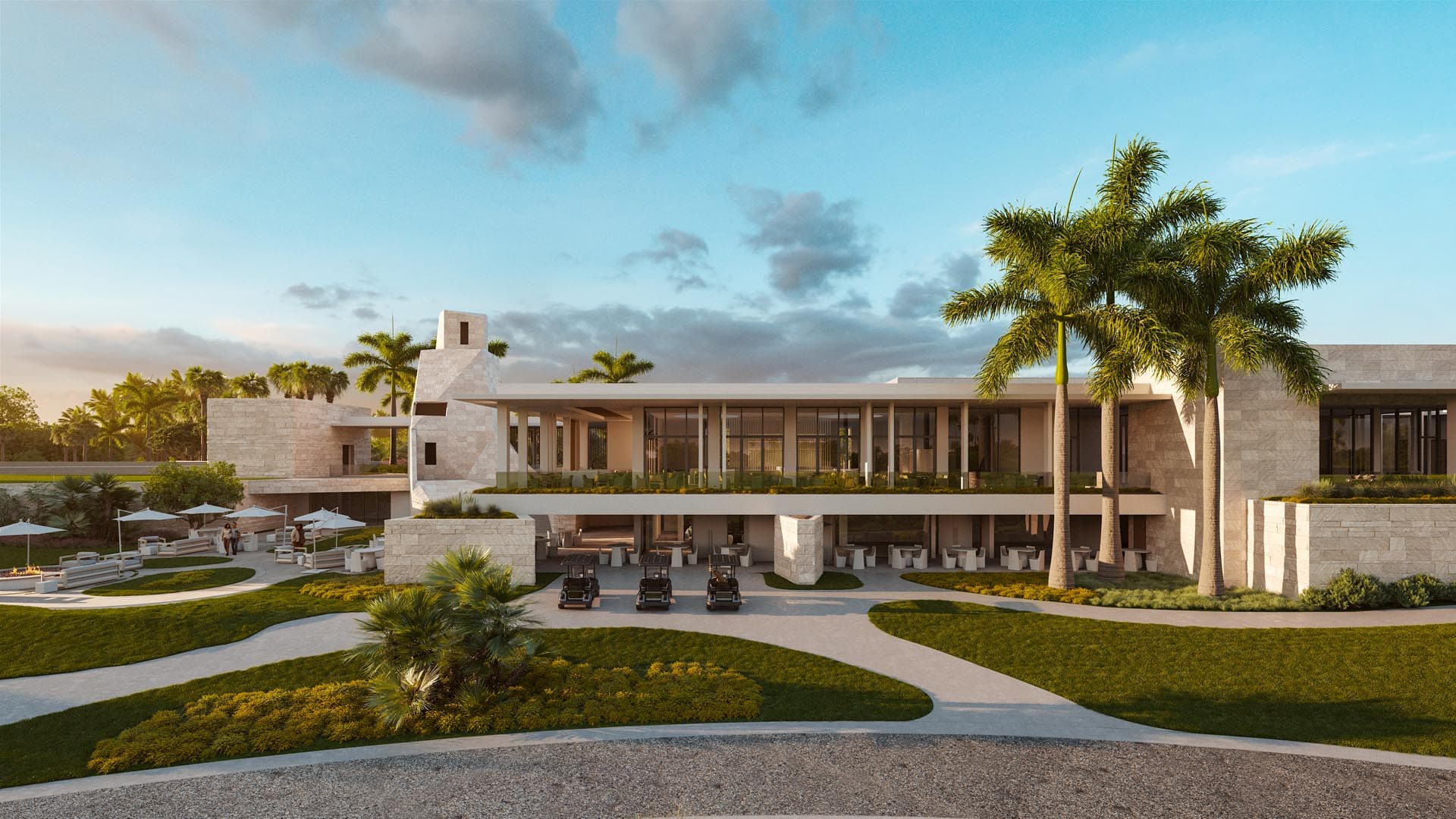
Indian Creek Country Club occupies a singular position in American golf: it is the only private course that requires ownership of real estate on its 300-acre island for membership consideration. Located on Indian Creek Island in Miami Beach, this 94-year-old institution represents the apex of golf exclusivity, where the annual property tax bills often exceed the initiation fees at most country clubs.
The club's entire membership roster could fit comfortably in a single commercial aircraft. With fewer than 100 members drawn exclusively from Indian Creek Island's 34 waterfront estates, valued between $20 million and $90 million, this represents the smallest membership base of any major championship venue in the United States.
At a Glance
| Attribute | Details |
|---|---|
| Founded | 1930 |
| Location | Indian Creek Island, Miami Beach, FL |
| Membership | Invite Only (Property Ownership Required) |
| Course Architect | William S. Flynn |
| Holes | 18 |
| Initiation Fee | Confidential |
| Annual Dues | Confidential |
| Waitlist | N/A (Property Ownership Prerequisite) |
| Notable Events | Multiple PGA Tour Events, Celebrity Tournaments |
The Club
Indian Creek's genesis traces to 1929, when a consortium of wealthy industrialists purchased the entire 300-acre barrier island for $2.5 million — equivalent to $44 million today. The project survived the 1929 stock market crash by a matter of months, with construction completing in 1930 under the direction of architect William S. Flynn, whose portfolio includes Shinnecock Hills and Cherry Hills.
The club's business model defies conventional country club economics. Rather than pursuing membership growth to spread fixed costs, Indian Creek deliberately constrains membership to island property owners. This creates a self-reinforcing cycle of exclusivity: as property values rise (the median estate price increased 47% between 2019 and 2023), membership becomes more exclusive, further enhancing the club's cachet.
The island operates under a unique municipal structure. Indian Creek Village, incorporated in 1932, maintains its own police force, fire department, and municipal services. The village's annual budget of $14 million serves a population of approximately 86 residents, resulting in per-capita municipal spending of $163,000 — among the highest in Florida.
Financial details remain closely guarded. Industry analysts estimate initiation fees in the mid-six figures, though these are academic given the property ownership requirement. The club's operating budget, supported by dues and assessments, funds a staff-to-member ratio exceeding 3:1 — unprecedented in the industry.
The Course
William S. Flynn's 18-hole championship layout occupies the island's interior, surrounded by Biscayne Bay on three sides. The course design maximizes water views while incorporating Flynn's signature elevation changes — a considerable achievement on an island with a maximum elevation of 12 feet above sea level.
The layout features strategic bunkering characteristic of Flynn's work during the Golden Age of golf architecture. Seven holes play directly along the water, creating both visual drama and strategic complexity. The course conditioning standards rival Augusta National, with a maintenance budget estimated at $2 million annually — approximately $20,000 per member.
Flynn's routing takes advantage of the island's natural contours and prevailing winds. The easterly trade winds, consistent throughout the year, factor into club selection on 14 of 18 holes. The course plays to different yardages depending on seasonal conditions, with firm winter conditions reducing effective distances by 10-15 yards compared to summer humidity.
The practice facilities include a driving range, putting greens, and short-game areas. A golf simulator provides year-round practice options during Miami's occasional weather disruptions. The halfway house, positioned at the course's midpoint, serves members between nines without requiring a return to the main clubhouse.
Beyond the Course
Indian Creek's amenities reflect the priorities of ultra-high-net-worth individuals who maintain multiple residences worldwide. The facility design emphasizes intimate spaces over grand ballrooms, recognizing that members host large events at their private estates rather than the club.
The clubhouse, renovated in 2018 at a cost of $12 million, features private dining rooms accommodating 8-24 guests. The main dining room seats 60, though it rarely operates at capacity given the membership size. The club maintains a wine cellar with over 3,000 selections, including vintages from members' private collections stored on consignment.
Tennis facilities include two hard courts with lighting for evening play. The spa services operate by appointment, offering treatments that complement the subtropical climate. Fitness facilities focus on golf-specific conditioning and recovery, with equipment selected for low-impact training suitable for an older demographic.
The swimming pool, positioned for bay views, operates year-round given Miami Beach's climate. Pool service includes private cabanas and dedicated staff during peak usage hours. Children's facilities accommodate visiting grandchildren, though permanent resident children are rare given the island's demographics.
Boat docking facilities serve members arriving by water. The marina accommodates vessels up to 120 feet, with fuel services and maintenance coordination. Approximately 40% of members maintain boats at the facility, making water access a significant amenity differentiator.
Membership
Indian Creek's membership structure eliminates traditional country club concerns about membership drives, retention programs, and demographic diversification. The requirement for island property ownership creates a natural membership ceiling and ensures financial stability regardless of broader economic conditions.
Property ownership requirements begin with the purchase of an Indian Creek Island estate. Current listings range from $20 million for older properties requiring renovation to $90 million for new construction with deep water access. The median estate sale price in 2023 was $47 million, representing a 23% increase over 2022.
The membership application process, while confidential, requires sponsorship by existing members and focuses on social compatibility rather than financial qualification — property ownership having already established the latter. The application timeline typically extends 6-18 months, though this reflects scheduling availability of the membership committee rather than investigative delays.
Member demographics skew heavily toward finance, real estate, and technology executives. The average member age approximates 65, though this has declined slightly as cryptocurrency and tech entrepreneurs have purchased island properties. International members comprise roughly 30% of the roster, primarily from Latin America and Europe.
Club reciprocal agreements provide members with playing privileges at approximately 75 clubs worldwide, including several ranked in Golf Digest's top 100. These relationships often depend on personal connections between club leadership rather than formal reciprocal programs.
Location & Access
Indian Creek Island's location provides both proximity to Miami's urban amenities and complete separation from city congestion. The island connects to Miami Beach via a single bridge with 24-hour security, creating a controlled access environment that enhances privacy for both residents and club guests.
Miami International Airport lies 12 miles from the club, accessible via dedicated helicopter pad or ground transportation. Flight time from major financial centers ranges from 2.5 hours (New York) to 8 hours (Los Angeles), making the club accessible for weekend visits from primary residences elsewhere.
The club's isolation provides competitive advantages for business discussions and private meetings. No unauthorized photography is possible given the controlled access, making Indian Creek a preferred venue for confidential business negotiations among high-profile individuals.
Local regulations prohibit commercial development on the island, ensuring long-term preservation of the exclusive environment. Miami Beach's broader development boom has increased traffic congestion on connecting causeways, though this rarely affects members given their tendency toward helicopter or boat transportation.
Weather conditions favor year-round play, with average temperatures ranging from 68°F in January to 84°F in August. Hurricane season (June-November) occasionally disrupts operations, though the club's storm preparation protocols ensure rapid reopening post-storm.
Recognition
Indian Creek has hosted multiple PGA Tour events, though the club's preference for privacy has limited televised tournaments in recent decades. The course previously hosted the Doral-Ryder Open and several celebrity charity tournaments featuring entertainment and sports figures.
Golf Digest consistently ranks Indian Creek among America's top 100 courses, though the club's private nature limits detailed course reviews. Golf architecture enthusiasts recognize Flynn's design as one of his finest works, particularly given the constraints of designing a championship course on a narrow barrier island.
The club's reputation extends beyond golf into broader luxury hospitality circles. Travel publications occasionally reference Indian Creek as an example of absolute exclusivity, though detailed coverage remains limited by the club's media restrictions.
Celebrity members, both past and present, have included entertainment figures, professional athletes, and business leaders. The club's privacy policies prevent public disclosure of specific names, though media reports have identified various high-profile individuals as island property owners.
Industry awards recognize Indian Creek's service standards rather than specific amenities. The club's staff training programs and service delivery protocols serve as models for other high-end private clubs seeking to serve ultra-affluent membership bases.