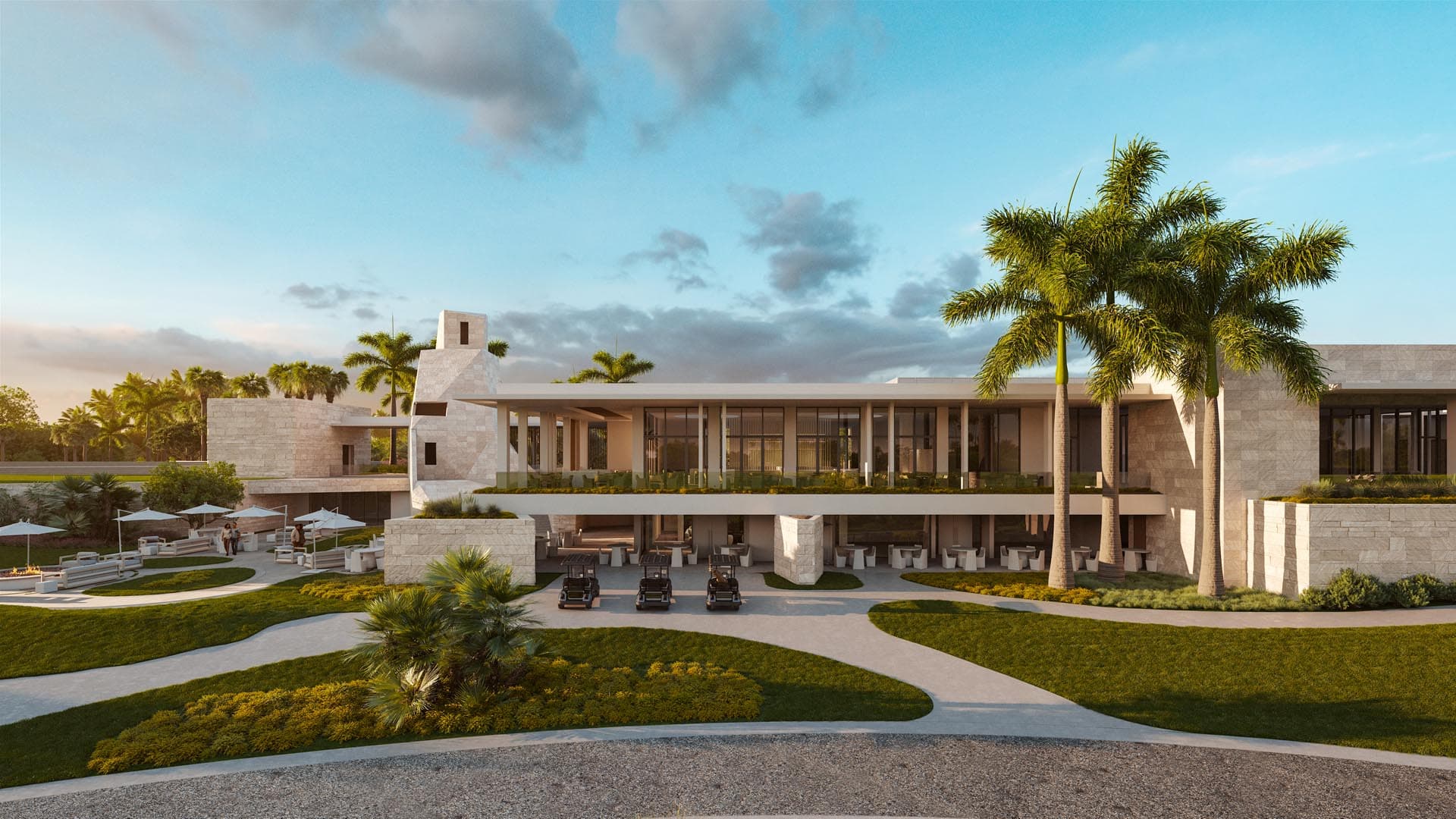
Since 1922, Bakersfield Country Club has occupied 160 acres in northeast Bakersfield, where two generations of the Bell family shaped one of California's most enduring golf designs. The course stretches 6,822 yards through sun-washed hills, presenting a slope rating of 131 that reflects both the natural terrain and the architectural sophistication brought by William F. Bell and his son William P. Bell.
The club's founding story centers on families from Bakersfield's agricultural and petroleum industries — values rooted in the surrounding farmlands and oil fields that continue to define the membership three generations later. This stability has allowed the course design to mature without the constant renovation cycles that plague many private clubs.
Course Overview
| Specification | Details |
|---|---|
| Total Yardage | 6,822 yards |
| Par | 72 |
| Holes | 18 |
| Slope Rating | 131 |
| Course Rating | 72.8 |
| Architect | William F. Bell, ASGCA / William P. Bell, ASGCA |
| Opened | 1922 |
| Location | Northeast Bakersfield, CA |
| Acreage | 160 acres |
The Bell Legacy: Father and Son Architectural Dynasty
William F. Bell established his architectural practice in Los Angeles in 1911, designing over 100 courses throughout California and the western United States before his death in 1953. His approach emphasized strategic bunkering and green complexes that rewarded precision over pure distance — principles evident in the original Bakersfield design.
The senior Bell's philosophy centered on creating courses that improved with repeated play. He believed golfers should discover new angles and strategies even after dozens of rounds, a concept he implemented through subtle elevation changes and green contours that reveal their secrets gradually.
William P. Bell joined his father's practice in 1947 and continued the firm's work after 1953. The younger Bell refined his father's strategic concepts while adapting to modern equipment and playing styles. His modifications to Bakersfield included lengthening several holes and adjusting green complexes to maintain the course's challenge as golf technology evolved.
The Bell family designed approximately 200 courses between 1911 and 1984, when William P. Bell retired. Their California portfolio includes Los Angeles Country Club, Riviera Country Club, and numerous municipal courses that democratized quality golf architecture throughout the state.
Signature Holes: Strategic Design in Central Valley Terrain
The course routing takes advantage of Bakersfield's rolling topography, with elevation changes of up to 80 feet creating natural amphitheaters around key holes. The design philosophy emphasizes positioning over power, particularly on approach shots where green complexes reward accuracy.
The Par-4 7th: Valley Views and Strategic Options
At 420 yards from the championship tees, the 7th hole exemplifies Bell's strategic approach. The fairway slopes left toward a creek that runs parallel to the hole's entire length. Longer hitters can challenge the creek to gain a shorter approach angle, while conservative players have ample fairway space to the right.
The green sits on a natural plateau 15 feet above the creek, surrounded by three bunkers positioned to catch wayward approach shots. Pin positions in the front portion of the green demand precision, as shots that come up short face a difficult recovery from below.
The Par-3 12th: Elevated Drama
The 180-yard 12th plays from an elevated tee to a green surrounded by mature valley oaks planted during the course's early decades. These trees, now over 100 years old, create a natural amphitheater while framing the target.
Wind patterns in the Central Valley frequently affect club selection, with afternoon thermals creating crosswinds that can vary by two clubs during tournament play. The green's kidney shape offers multiple pin positions, though the back-left section presents the most challenging approach over a deep bunker.
The Par-5 15th: Risk and Reward Finale
The closing stretch begins with the 540-yard 15th, a dogleg right that offers multiple strategic options. The fairway narrows at the 280-yard mark, where aggressive players can attempt to carry a series of cross bunkers for a shorter approach to the green.
The green complex features the course's most severe slopes, with a false front that rejects shots landing short of the pin. Approach shots must carry a pond that guards the front and right portions of the putting surface, creating a genuine three-shot challenge for most players.
Practice Facilities: Comprehensive Training Environment
Bakersfield's practice facilities occupy 12 acres adjacent to the clubhouse, featuring a driving range that extends 320 yards with target greens at multiple distances. The range's orientation takes advantage of prevailing wind patterns, offering practice conditions that mirror on-course challenges.
The short game area includes two practice putting greens totaling 8,000 square feet, with slopes and contours that replicate green complexes found throughout the course. A separate chipping green features multiple pin positions and bunkers, allowing members to practice various short-game scenarios.
The practice putting green closest to the first tee measures 4,200 square feet and features the same bentgrass surfaces used on the course greens. This consistency allows players to develop touch and read that translates directly to competitive play.
Course Conditioning: Year-Round Excellence in Challenging Climate
Central Valley weather presents unique maintenance challenges, with summer temperatures regularly exceeding 100 degrees Fahrenheit and winter fog that can persist for weeks. The grounds crew adapts irrigation schedules seasonally, increasing frequency during July and August while reducing water application during cooler months.
The fairways feature a bermudagrass base overseeded annually with perennial ryegrass, providing optimal playing conditions from October through May. Summer conditions emphasize firm, fast fairways that increase roll and favor strategic placement over pure distance.
Greens maintain consistent speeds year-round through careful cultivation practices. The superintendents target stimpmeter readings between 9.5 and 10.5 feet, adjusting based on seasonal growth patterns and tournament schedules.
Tree management focuses on the mature oaks and eucalyptus that define many holes' character. The grounds crew removes approximately 20 trees annually while planting 15-20 replacements, maintaining the course's parkland aesthetic while addressing safety concerns and playability issues.
Rankings and Recognition
Bakersfield Country Club consistently ranks among California's top 50 private clubs in various regional publications, though specific rankings fluctuate based on evaluation criteria and competitive fields. The course's architectural integrity and membership stability contribute to its sustained reputation.
Golf Digest's most recent California rankings placed Bakersfield in the 30-40 range among private clubs, noting the Bell family's design philosophy and the course's strategic challenge. The evaluation highlighted the putting surfaces and bunker placement as particular strengths.
Local golf publications regularly feature Bakersfield among the Central Valley's premier private courses, competing with clubs in Fresno and Stockton for regional recognition. The course's tournament hosting capabilities and membership amenities contribute to these consistent rankings.
Tournament History: A Century of Competition
The club has hosted the California State Amateur Championship twice, most recently in 1987 when the event attracted a field of 156 competitors. The tournament's scoring average of 75.2 reflected both course difficulty and field strength.
Annual member tournaments include the Club Championship, traditionally held in July when course conditions emphasize precision and course management. The tournament features flights based on handicap divisions, with the championship flight typically posting scores in the mid-70s.
The Ladies' Invitational, established in 1948, draws competitors from throughout California's Central Valley. This three-day event features 108 players competing in various divisions, with the overall champion typically scoring in the high 70s.
Regional PGA Section events have utilized Bakersfield as a host venue for professional tournaments, including the Central California PGA Championship in 1995 and 2003. These events provided opportunities for local professionals to compete on their home course while showcasing the layout's championship capabilities.