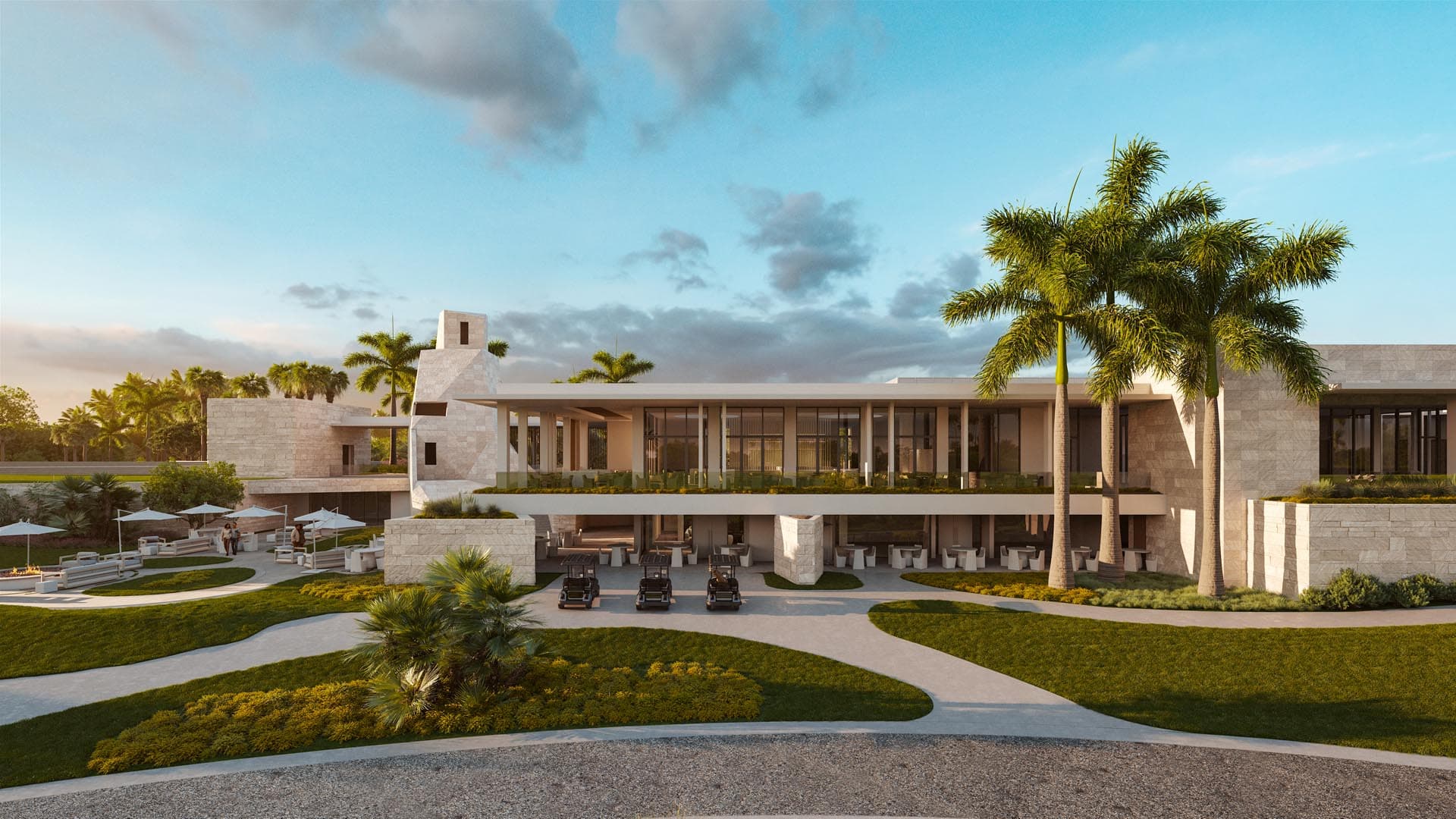
For nearly a century, Bakersfield Country Club has anchored the social fabric of California's Central Valley, where oil derricks and agricultural fields stretch toward the Tehachapi Mountains. Founded by families whose fortunes were built in the region's two great industries — petroleum and farming — this northeast Bakersfield institution represents continuity in an area that has undergone dramatic transformation since the early 20th century.
At a Glance
| Detail | Information |
|---|---|
| Established | 1920s |
| Location | Northeast Bakersfield, CA |
| Course Designer | William F. Bell, ASGCA / William P. Bell, ASGCA |
| Holes | 18 |
| Yardage | 6,822 yards |
| Slope Rating | 131 |
| Setting | Sun-washed hills of Central Valley |
| Primary Amenities | Golf course, fitness center, dining |
| Member Profile | Multi-generational families from oil and agriculture |
The Club
Bakersfield Country Club emerged during California's oil boom, when the discovery of the Kern River Oil Field transformed a frontier agricultural town into an energy capital. The club's founding members — drawn from families who struck oil or cultivated vast agricultural holdings — established an institution that would endure through nearly a century of economic cycles.
The club's character reflects its agricultural and petroleum heritage. Second and third-generation members carry forward the values of their predecessors: pragmatic, unpretentious individuals who built wealth through hard work in demanding industries. This generational continuity has created a club culture that prizes substance over show, with members who understand the value of land, resources, and long-term thinking.
Unlike coastal California clubs shaped by finance or entertainment industries, Bakersfield Country Club maintains the sensibility of inland California — a region where success is measured in acres farmed, barrels pumped, and family legacies preserved. The friendly tradition noted in club materials speaks to a community where business relationships often span generations and social bonds extend beyond the clubhouse.
The Course
The 6,822-yard championship layout bears the signature of the Bell family, California's most prolific golf course design dynasty. William F. Bell and his son William P. Bell created a course that works with the Central Valley's distinctive topography — rolling terrain that rises from the valley floor toward the foothills of the Tehachapi Mountains.
At 131 slope rating, the course presents meaningful challenges without overwhelming recreational players. The Bells understood that member enjoyment required strategic interest rather than pure difficulty. Their design philosophy emphasized playability for the membership while maintaining championship standards for competitive events.
The sun-washed hills surrounding the course provide dramatic backdrops throughout the round. The Central Valley's Mediterranean climate — with over 260 sunny days annually — creates ideal playing conditions for most of the year. Summer temperatures regularly exceed 100°F, making early morning and late afternoon the preferred playing times during peak season.
| Course Statistics | |
|---|---|
| Total Yardage | 6,822 yards |
| Par | 72 |
| Slope Rating | 131 |
| Designer Legacy | Bell family (4 generations of course architects) |
| Playing Season | Year-round |
| Peak Conditions | October through April |
The Bell architectural legacy spans four generations and includes over 100 California courses. Their work at Bakersfield reflects the family's understanding of Central Valley conditions — firm turf, wind patterns, and the need for strategic water placement in an arid climate. The design has aged well, maintaining relevance as equipment technology has advanced.
Beyond the Course
The club's amenities reflect the practical sensibilities of its membership base. A modern fitness center serves members who understand the importance of maintaining health for demanding careers in agriculture and energy. Unlike resort-style facilities found at destination clubs, Bakersfield's amenities focus on member utility rather than luxury showcase.
Dining operations cater to the club's role as a business hub for Central Valley industries. The facility regularly hosts industry meetings, family celebrations, and community events that bring together Bakersfield's established families. The club's meeting spaces accommodate the kind of substantive business discussions that shape regional economic activity.
The club's location in northeast Bakersfield places it among the area's most established residential neighborhoods, where many member families have lived for generations. This geographic concentration strengthens social bonds and reinforces the club's role as a community anchor.
Social programming balances family activities with business networking opportunities. Member events often reflect the agricultural calendar — harvest celebrations, industry recognition dinners, and family gatherings that acknowledge the seasonal rhythms still important to many member businesses.
Membership
Bakersfield Country Club operates as a traditional member-owned institution where equity membership provides both club privileges and governance participation. The membership structure reflects the club's founding principles — democratic governance by families with long-term stakes in both the club and the broader community.
Multi-generational membership defines the club's character. Many current members represent the second, third, or fourth generation of their families to hold membership. This continuity creates institutional memory and ensures club traditions remain intact through changing times.
The member profile skews toward established Central Valley families involved in agriculture, energy, real estate development, and professional services. These industries require long-term thinking and relationship management — qualities that translate naturally to club membership and governance.
Financial commitments reflect the club's member-owned structure, with initiation fees and monthly dues scaled to maintain facilities while remaining accessible to the professional and business families who form the membership base. The club avoids the speculative pricing seen in markets driven by outside wealth.
Prospective members typically require sponsorship from existing members, reflecting the club's emphasis on personal relationships and community integration. The application process emphasizes character and community involvement rather than pure financial capacity.
Location & Access
Northeast Bakersfield offers convenient access from throughout the Central Valley region. The club's location serves members from Kern County's agricultural areas, the metropolitan Bakersfield core, and surrounding communities linked to the region's oil and farming industries.
Bakersfield's position as the southern terminus of the Central Valley provides transportation advantages. Highway 99 connects the club to other Central Valley communities, while Highway 58 provides access from coastal areas. This connectivity serves members whose business interests often span multiple Central Valley locations.
The surrounding residential area represents some of Bakersfield's most established neighborhoods, where property ownership often dates to the early oil boom period. Many club members live within a short drive, reinforcing the club's role as a neighborhood institution.
Meadows Field Airport, located 15 minutes from the club, accommodates private aircraft used by members with agricultural operations or business interests spanning multiple locations. This aviation access reflects the geographic scale of many member enterprises.
Recognition
While Bakersfield Country Club maintains a relatively low public profile compared to resort destinations, its reputation within California golf architecture circles reflects the quality of the Bell family design. Golf course architectural historians recognize the layout as representative of mid-century Central Valley course design principles.
The club's recognition comes primarily through member achievements in business and community leadership rather than golf championships or architectural awards. Many members have played significant roles in developing California's agricultural and energy industries, contributing to the state's economic growth throughout the 20th and 21st centuries.
Regional golf associations recognize the course for tournament hosting, particularly events that bring together players from throughout the Central Valley. These competitions showcase the layout's championship capabilities while maintaining focus on member enjoyment.
The club's stability through multiple economic cycles — including agricultural downturns, energy price volatility, and broader economic recessions — demonstrates institutional resilience that earns respect from industry observers and community leaders.