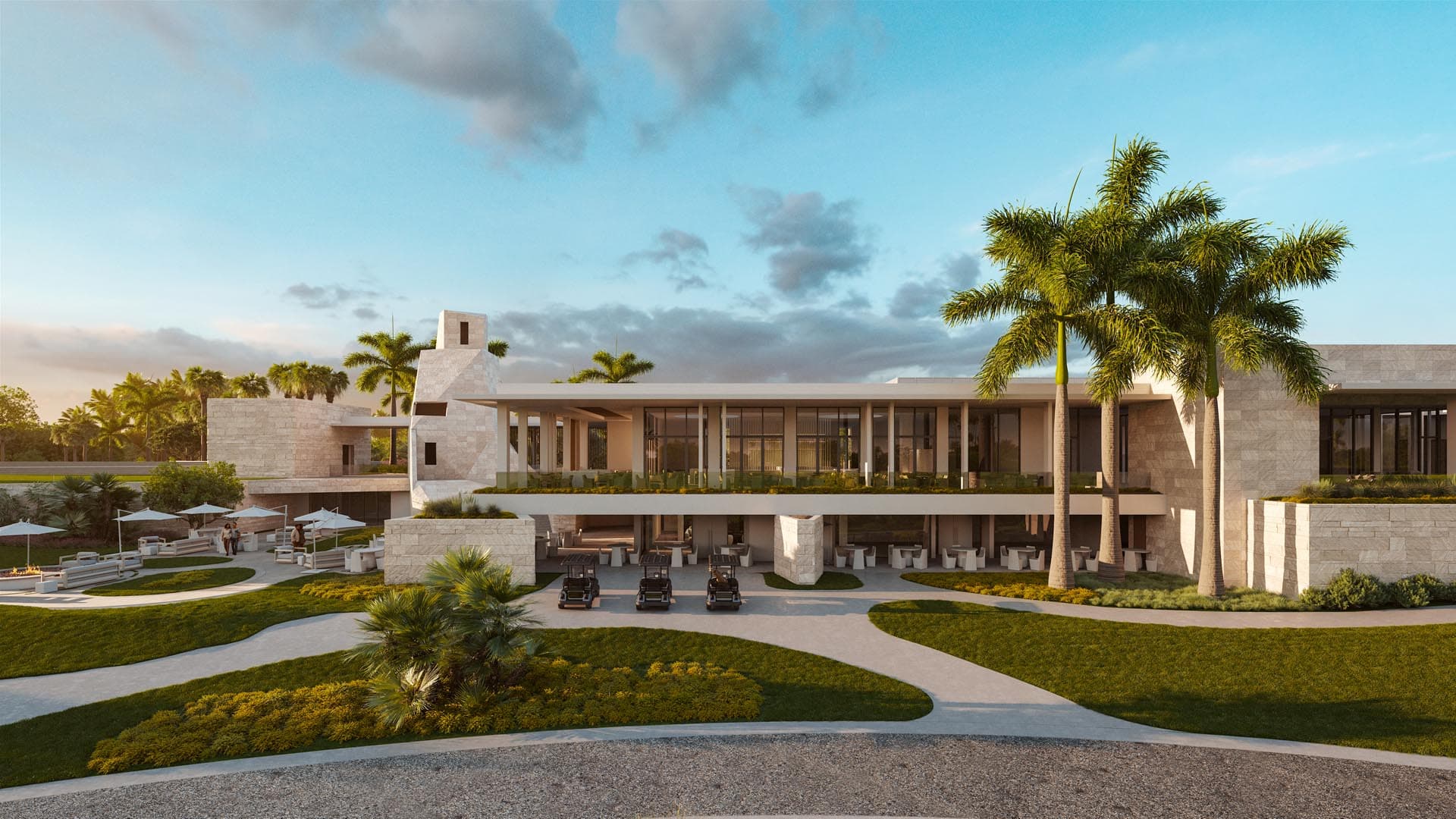
Nestled in the sun-washed hills of northeast Bakersfield, Bakersfield Country Club stands as one of California's enduring golf institutions. For over a century, this 18-hole championship course has served families rooted in the agricultural and petroleum industries that built Kern County's economy. The club's 6,822-yard layout, designed by the legendary Bell family of golf architects, reflects both the natural beauty of the San Joaquin Valley and the unpretentious values of its founding members.
Founding: Born from Oil Fields and Farmlands
Bakersfield Country Club emerged from the prosperity of California's early 20th-century oil boom. The founding members represented families who had built their fortunes in the farmlands and oil fields surrounding Bakersfield, bringing with them values of hard work, community, and understated elegance. These agricultural and petroleum pioneers sought to create a gathering place that would reflect their success while maintaining the friendly, unpretentious character that defined Kern County's business community.
The club's location in northeast Bakersfield was strategically chosen to take advantage of the area's rolling terrain and proximity to the rapidly growing city center. Unlike many California clubs founded during this era by railroad magnates or Hollywood elite, Bakersfield Country Club's origins lay firmly in the region's agricultural and energy sectors—industries that would provide the economic foundation for generations of member families.
Early Years: Establishing Tradition
The club's early decades established the familial atmosphere that continues to define its membership today. Rather than pursuing the exclusive social climbing common at coastal California clubs, Bakersfield Country Club fostered multi-generational relationships rooted in shared business interests and community involvement. Many founding families maintained their memberships across decades, creating a stability uncommon in the rapidly changing landscape of California golf.
The original course design took advantage of the natural topography of the San Joaquin Valley's foothills. The layout incorporated the area's characteristic oak trees and seasonal water features, creating a distinctly Central Valley golfing experience that differed markedly from the desert courses to the south or the links-style layouts near the Pacific Coast.
Growth & Evolution: The Bell Family Legacy
The most significant chapter in the club's architectural history came through the work of William F. Bell, ASGCA, and William P. Bell, ASGCA. This father-and-son team of golf course architects left an indelible mark on California golf, with their designs including Riviera Country Club, Torrey Pines, and numerous other championship venues. The Bells' work at Bakersfield Country Club resulted in the current 6,822-yard layout that challenges golfers with a slope rating of 131.
The Bell design philosophy emphasized strategic shot-making over pure length, incorporating the valley's natural drainage patterns and prevailing wind conditions. Their routing maximized views of the surrounding hills while creating memorable golf holes that reward precision over power. The design has proven remarkably durable, requiring minimal modification despite changes in golf equipment and playing styles over the decades.
Tournament History
While Bakersfield Country Club has never hosted major professional championships, its role in regional amateur golf has been substantial. The club has served as a qualifying site for USGA championships and has hosted numerous California Golf Association events. The course's combination of length and strategic design has made it a respected test among serious amateur golfers throughout the Central Valley.
The club's tournament calendar reflects its membership's preferences for competitive but friendly golf. Regular member tournaments and inter-club matches have fostered relationships with other Central Valley clubs, creating a network of golfing friendships that spans generations. The club's annual member-guest tournament has become a particular point of pride, attracting participants from throughout California and beyond.
Today: Modern Amenities, Timeless Values
Contemporary Bakersfield Country Club maintains its founding character while offering modern amenities. The facility includes a fitness center, reflecting members' evolving lifestyle preferences beyond golf. The clubhouse continues to serve as a gathering place for business and social occasions, with many local civic organizations and charitable events finding a home at the club.
The membership today includes second and third-generation families of the original founders, creating an unusual continuity in California's transient culture. This generational stability has allowed the club to maintain consistent policies and traditions while adapting to changing member needs and preferences.
Course conditioning remains a priority, with the maintenance staff adapting Bell's original design to modern agronomic practices. The challenging Central Valley climate—characterized by hot, dry summers and mild winters—requires specialized turf management that the grounds crew has mastered over decades of experience.
| Decade | Key Development | Impact |
|---|---|---|
| 1920s | Club founding | Established by oil and agriculture families |
| 1930s-40s | Course maturation | Layout settled, traditions established |
| 1950s-60s | Bell redesign | Current 6,822-yard championship course created |
| 1970s-80s | Facility expansion | Clubhouse renovations, amenities added |
| 1990s-2000s | Modernization | Fitness center added, course conditioning improved |
| 2010s-Present | Multi-generational continuity | Second and third-generation members maintain traditions |