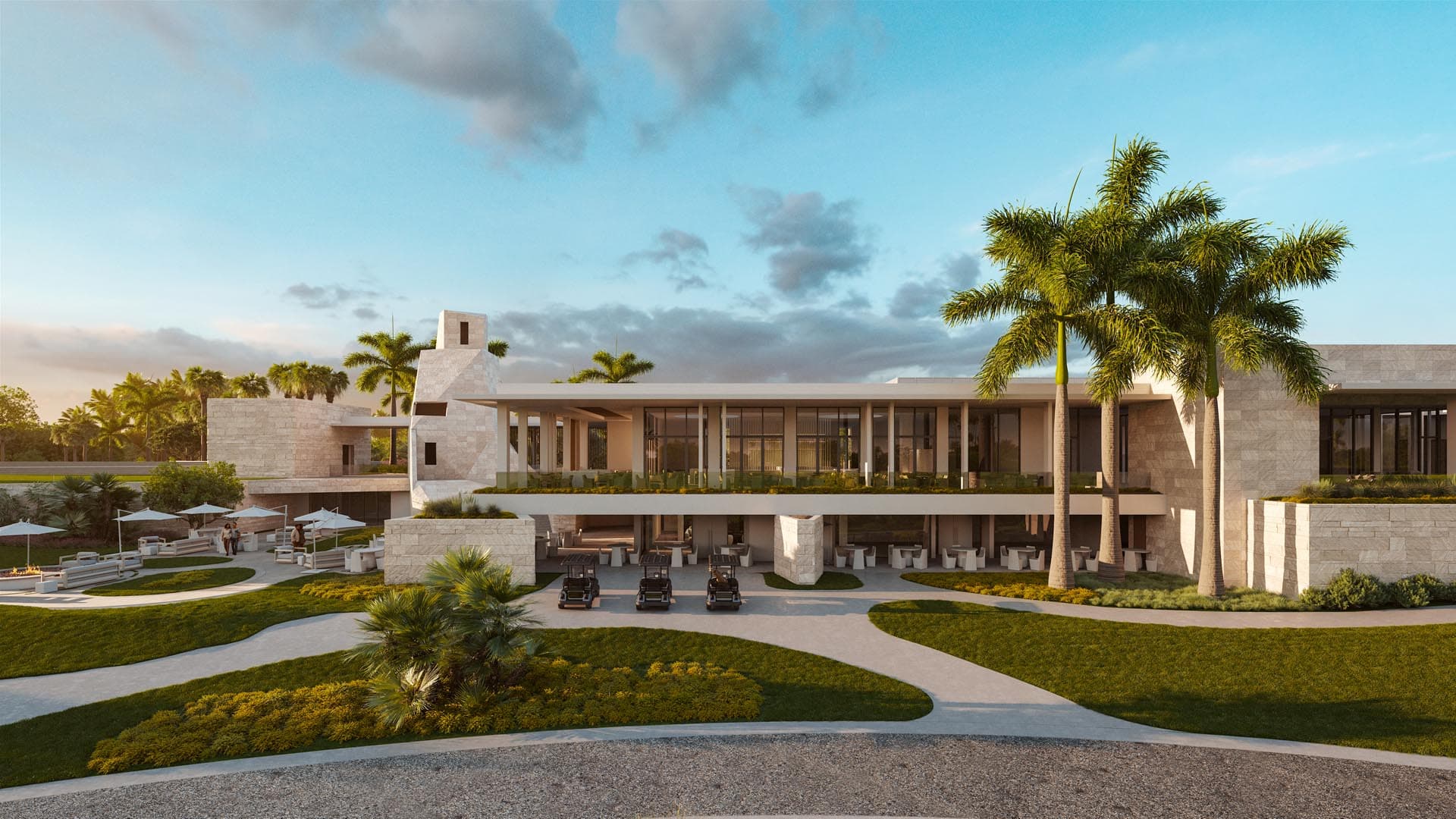
When California Golf Club first opened its doors in 1926, it bore the architectural DNA of A. Vernon Macan and featured Alister MacKenzie bunkers added just two years later. Yet for eight decades, this South San Francisco layout remained in the shadow of its prestigious neighbors — Olympic Club (Lake) and San Francisco Golf Club. The course's claustrophobic feel, exacerbated by dense tree growth and a truncated front nine reworked in the 1960s after road expansion claimed two holes, prevented it from reaching its potential. That changed in 2007 when Kyle Phillips orchestrated a comprehensive renovation that has propelled Cal Club into the upper echelons of American golf.
Course Overview
| Specification | Details |
|---|---|
| Total Yardage | 7,216 yards |
| Par | 72 |
| Slope Rating | 135 |
| Original Architect | A. Vernon Macan |
| Renovation Architect | Kyle Phillips |
| Renovation Completed | 2008 |
| Holes | 18 |
| Course Type | Parkland |
| Elevation | 200-400 feet above sea level |
The Architect: Kyle Phillips' Restoration Philosophy
Kyle Phillips brought a unique perspective to the California Golf Club renovation, combining his experience with links golf architecture and modern course design principles. Phillips, whose portfolio includes The Grove in Hertfordshire and Kingsbarns Golf Links in Scotland, approaches renovations with archaeological precision — studying historical photographs, uncovering original design intent, and restoring lost architectural features while improving playability for modern golfers.
At Cal Club, Phillips faced the challenge of working within a constrained 425-acre property while addressing decades of evolutionary changes that had compromised Macan's original vision. The architect's solution involved extensive tree removal — over 1,500 trees were cleared to restore sight lines and strategic options. This deforestation revealed previously hidden topographical features and allowed Phillips to reintroduce the dramatic bunkering style that MacKenzie had contributed in 1928.
Phillips' renovation philosophy centers on creating multiple playing options for golfers of different skill levels while maintaining strategic complexity. At Cal Club, this translated to widened fairways with internal contours, repositioned bunkers that offer risk-reward decisions, and green complexes that reward precision without punishing moderate misses.
Signature Holes
The Second Hole: Par 4, 425 Yards
Phillips' most dramatic addition to Cal Club is the new second hole, carved from the former practice range. This dogleg-left par 4 features a drive over wetlands to a fairway that slopes left toward the hazard. The approach shot plays to an elevated green protected by deep bunkers in MacKenzie's restored style. The hole exemplifies Phillips' approach of creating heroic moments within a strategic framework.
The Seventh Hole: Par 4, 445 Yards
The new seventh hole showcases Phillips' ability to utilize previously unused terrain. Built atop a mesa in the center of the property, this dogleg-right par 4 offers panoramic views of San Francisco Bay. The drive must navigate fairway bunkers positioned at the corner of the dogleg, while the approach plays to a green site that Phillips carved into the hillside. The hole's elevated tees provide a dramatic contrast to the more intimate holes routed through the trees.
The Fourteenth Hole: Par 3, 190 Yards
One of five holes that Phillips completely rebuilt, the 14th exemplifies the architect's skill at creating memorable short holes within limited space. The hole plays downhill to a green surrounded by restored MacKenzie bunkers, with the bay providing a scenic backdrop. Wind direction significantly affects club selection, as the elevated tee position exposes golfers to the prevailing westerly breezes.
Practice Facilities
California Golf Club's practice facilities reflect the space constraints inherent in Peninsula golf. The driving range, relocated during Phillips' renovation, features target greens at various distances and a short-game area with bunkers matching the course's MacKenzie-inspired style. The practice putting green mirrors the speed and grain characteristics of the course greens, which are maintained at 11.5-12 feet on the Stimpmeter during peak season.
The club's teaching facilities include a covered hitting area and dedicated short-game practice zones. Given the property's 425-acre footprint — modest by private club standards — the practice areas maximize functionality within spatial limitations.
Course Conditioning
California Golf Club maintains its bentgrass greens year-round, a challenging proposition in the Bay Area's Mediterranean climate. The course utilizes a sophisticated irrigation system installed during the Phillips renovation, featuring individually controlled heads that allow for precise water management across varying microclimates within the property.
Fairways consist of perennial ryegrass overseeded annually, while rough areas feature a mixture of native and introduced grasses that require minimal irrigation. The course typically plays firm and fast during the dry summer months, with green speeds averaging 11-12 feet. Winter conditions often feature softer playing surfaces due to the region's concentrated rainfall between November and March.
Rankings and Recognition
Since Phillips completed his renovation in 2008, California Golf Club has experienced what its members describe as a "meteoric rise" in national rankings. While specific ranking positions are proprietary to various golf publications, the course has gained recognition for its strategic design, improved conditioning, and restored MacKenzie bunker styling.
The renovation's success is measurable in its reception by golf architecture enthusiasts and touring professionals. The course now regularly hosts corporate and amateur championships, events that were less frequent before the renovation due to the previous layout's limitations.
Tournament History
California Golf Club has served as host to numerous regional amateur championships, including NCGA events and club professional tournaments. The course's challenge lies not in excessive length — at 7,216 yards, it's manageable for skilled amateurs — but in its strategic complexity and the precision required for approach shots to well-bunkered greens.
The club's tournament calendar typically includes member-guest events, club championships, and regional qualifiers. The improved course conditions and strategic interest generated by the Phillips renovation have made Cal Club an increasingly popular venue for high-level amateur competition.