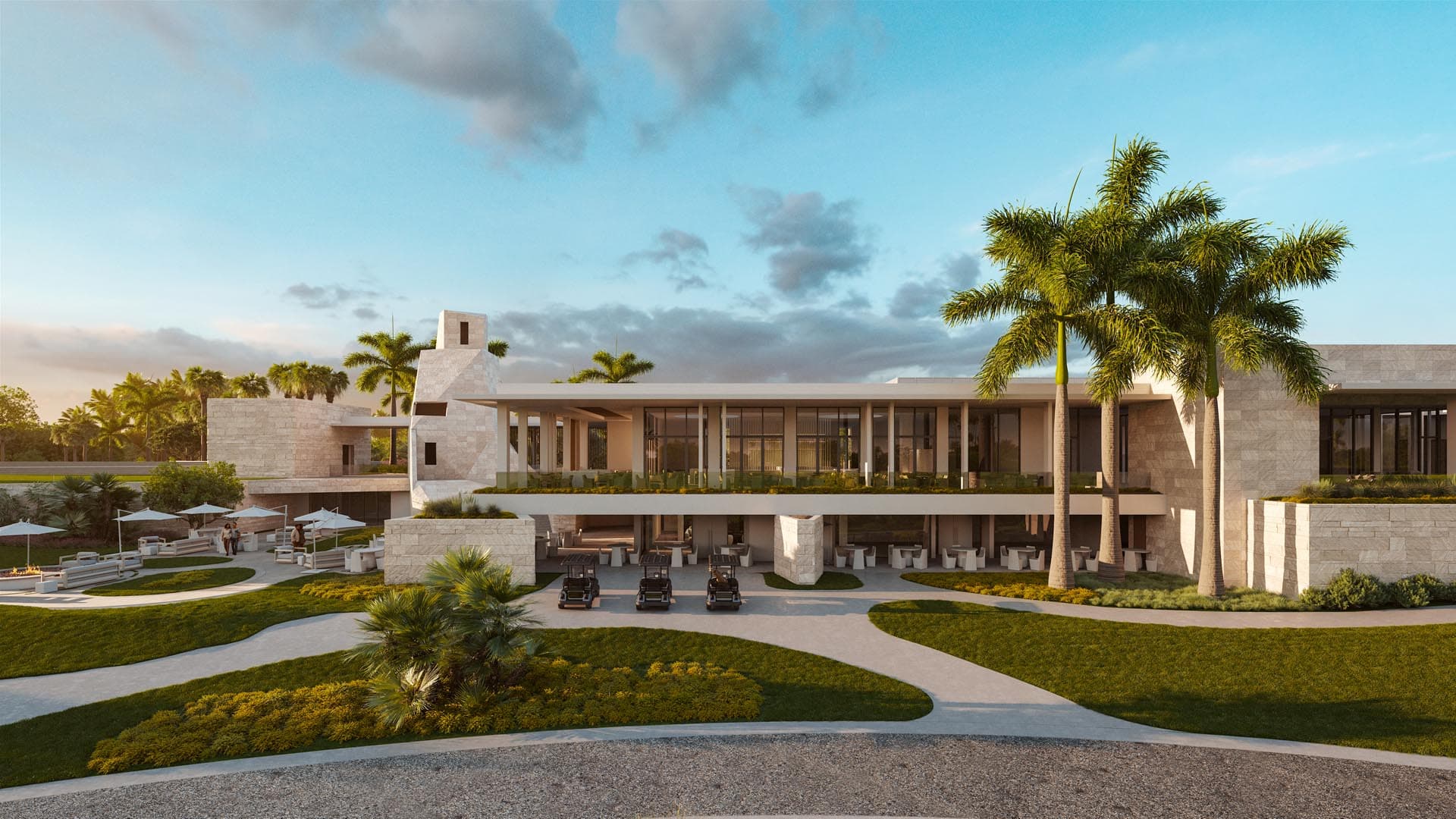
Founded in the aftermath of World War I, California Golf Club has weathered nearly a century of changes while maintaining its position among Northern California's premier private clubs. From its humble beginnings in San Francisco's Ingleside district to its current 425-acre home in South San Francisco, the club's evolution reflects both the challenges and opportunities of golf course architecture in America's most expensive real estate market.
Founding and Early Vision
The California Golf Club of San Francisco emerged in 1918 during the post-war golf boom that swept across America. Originally established in the Ingleside district southwest of San Francisco, the club operated on land leased from the Spring Valley Water Company—a arrangement that would prove both temporary and transformative.
The founding members recognized early on that their leased property offered no long-term security. Unable to negotiate an extended lease with the water company, the club made a decisive move in 1924, purchasing approximately 425 acres of the original Baden Farm on the San Francisco Peninsula. The rolling hills and timbered landscape, combined with sweeping views of San Francisco Bay, provided an ideal canvas for what would become one of the region's most distinctive golf courses.
Early Years and Architectural Foundation
Construction of the new course began in 1925 under the direction of Willie Locke, with A. Vernon Macan providing additional design input. The 18-hole layout officially opened in 1926, establishing California Golf Club's permanent home in what is now South San Francisco. At 7,216 yards with a slope rating of 135, the course immediately distinguished itself as a challenging test of golf.
Perhaps the most significant early enhancement came just two years after opening, when renowned golf course architect Alister MacKenzie added his signature bunkers to the layout. These glamorous sand hazards, featuring MacKenzie's characteristic flowing lines and strategic placement, elevated the course's architectural pedigree considerably. However, the club's reputation would face decades of challenges that prevented it from achieving the same recognition as nearby contemporaries.
Growth and Evolution Through Mid-Century
Despite its architectural credentials, California Golf Club never quite achieved the prestige of its distinguished neighbors—Olympic Club (Lake Course) and San Francisco Golf Club. The course suffered from what critics described as a claustrophobic feeling, created by dense tree growth and a compromised routing that reflected the constraints of its site.
The most significant blow to the original design came in the 1960s when road expansion forced the closure of two holes on the front nine. Robert Trent Jones Sr. was commissioned to rework the affected areas, but his modifications created a truncated front nine that further compromised the course's flow and strategic continuity. These changes, while necessary, contributed to the perception that California Golf Club lagged behind its more celebrated neighbors.
Tournament History and Recognition
While California Golf Club has not hosted major professional tournaments on the scale of nearby Olympic Club, it has maintained a steady presence in regional amateur competitions. The course's challenging 7,216-yard layout and strategic bunkering have provided an appropriate test for skilled amateur players throughout Northern California.
The club's tournament calendar has traditionally focused on member events and regional amateur competitions, building a reputation for well-conditioned playing surfaces and fair but demanding golf. This approach has helped maintain the club's standing within the Northern California golf community, even as the course itself underwent periods of architectural uncertainty.
Today: The Phillips Renaissance
The modern era of California Golf Club began in 2007 when renowned architect Kyle Phillips undertook a comprehensive renovation that transformed both the golf course and the club's reputation. Phillips addressed the long-standing issues that had constrained the course for decades, beginning with extensive tree clearing that opened up sight lines and restored the natural flow of the terrain.
The renovation included five completely new holes that dramatically improved the routing. Most notably, Phillips created a new par-4 second hole in the former practice range and constructed an entirely new dogleg-right par-4 seventh hole atop a previously unused mesa in the middle of the course. These additions provided the space and variety that had been missing since the 1960s modifications.
Perhaps most importantly, Phillips reintroduced MacKenzie's signature bunkering style throughout the course. The restoration of these glamorous sand hazards, combined with the improved routing and enhanced strategic options, has elevated California Golf Club much closer to the level of its top-ranked neighbors. The course now ranks among Northern California's finest private clubs, representing what many consider the most successful golf course renovation of the 2000s in the region.
California Golf Club Timeline
| Year | Milestone |
|---|---|
| 1918 | California Golf Club founded in San Francisco's Ingleside district |
| 1924 | Club purchases 425 acres of Baden Farm on the Peninsula |
| 1925 | Construction begins under Willie Locke and A. Vernon Macan |
| 1926 | 18-hole course opens in South San Francisco |
| 1928 | Alister MacKenzie adds signature bunkers to the layout |
| 1960s | Robert Trent Jones Sr. redesigns front nine after road expansion |
| 2007 | Kyle Phillips begins comprehensive renovation |
| 2008 | Renovation completed with five new holes and restored MacKenzie bunkers |