California Golf Club stands as testament to what can happen when a century-old club makes the right architectural choices. Located on 425 acres of rolling terrain 15 miles south of San Francisco, Cal Club has undergone a transformation that elevated it from regional respectability to national recognition. The 2007-2008 renovation by Kyle Phillips resolved decades of spatial constraints and restored architectural elements that had been compromised by urban encroachment.
At a Glance
| Detail | Information |
|---|---|
| Location | South San Francisco, CA |
| Founded | 1918 (current site 1926) |
| Architect | A. Vernon Macan (original), Kyle Phillips (2008 renovation) |
| Holes | 18 |
| Yardage | 7,216 yards |
| Slope Rating | 135 |
| Course Designer | Willie Locke, A. Vernon Macan |
| Recent Renovation | 2008 by Kyle Phillips |
The Club
California Golf Club's founding in 1918 reflects the post-World War I golf boom that swept the San Francisco Bay Area. The club initially occupied leased land in San Francisco's Ingleside district but faced an uncertain future when Spring Valley Water Company declined to offer long-term lease terms. This prompted the pivotal 1924 decision to purchase 425 acres of the historic Baden Farm on the Peninsula.
The move south proved prescient. The Baden Farm property offered topographical variety that Ingleside lacked: rolling hills, natural timber, and elevated positions providing bay views. These features attracted A. Vernon Macan, who designed the current routing that opened in 1926. Within two years, the club commissioned Alister MacKenzie to add his signature bunkers—a detail that would prove crucial to the course's later renaissance.
The club's trajectory mirrors that of many California courses squeezed by post-war development. Road expansion in the 1960s claimed two holes, forcing Robert Trent Jones to redesign the front nine into a compressed layout that sacrificed the original's spatial flow. Dense tree planting, intended to provide privacy from encroaching development, further constrained playing corridors and eliminated strategic options.
The Course
Kyle Phillips's 2007-2008 renovation represented more than restoration—it was architectural problem-solving on a grand scale. The project addressed fundamental issues that had accumulated over four decades, beginning with the creation of five new holes that opened up playing corridors and restored strategic variety.
The centerpiece achievement was the new seventh hole, a 434-yard dogleg-right par-4 constructed atop a previously unused mesa in the property's center. This elevated position provides the course's most dramatic bay views while offering multiple strategic approaches to a green protected by restored MacKenzie-style bunkering. The hole demonstrates Phillips's skill at maximizing topographical assets that had remained dormant for 80 years.
Equally significant was the new second hole, a 415-yard par-4 carved from the former practice range. This addition allowed Phillips to eliminate the cramped routing that had characterized the front nine since the Jones renovation. The hole features a generous fairway that narrows progressively toward a green complex guarded by three bunkers exhibiting MacKenzie's characteristic irregular edges and dramatic depth.
Phillips's most consequential decision involved extensive tree removal—approximately 1,200 mature specimens. This controversial choice restored sight lines that MacKenzie and Macan had incorporated into their original design while eliminating the claustrophobic conditions that had defined the course since the 1970s. The newly opened corridors allow coastal winds to influence play, reintroducing the meteorological variability that characterizes great Bay Area golf.
The bunker restoration program returned 47 sand hazards to their original MacKenzie specifications. Phillips studied historical photographs and aerials to recreate the irregular shapes, varied depths, and strategic positioning that had been altered by decades of maintenance modifications. These features now provide both visual drama and tactical significance previously absent from the course.
Beyond the Course
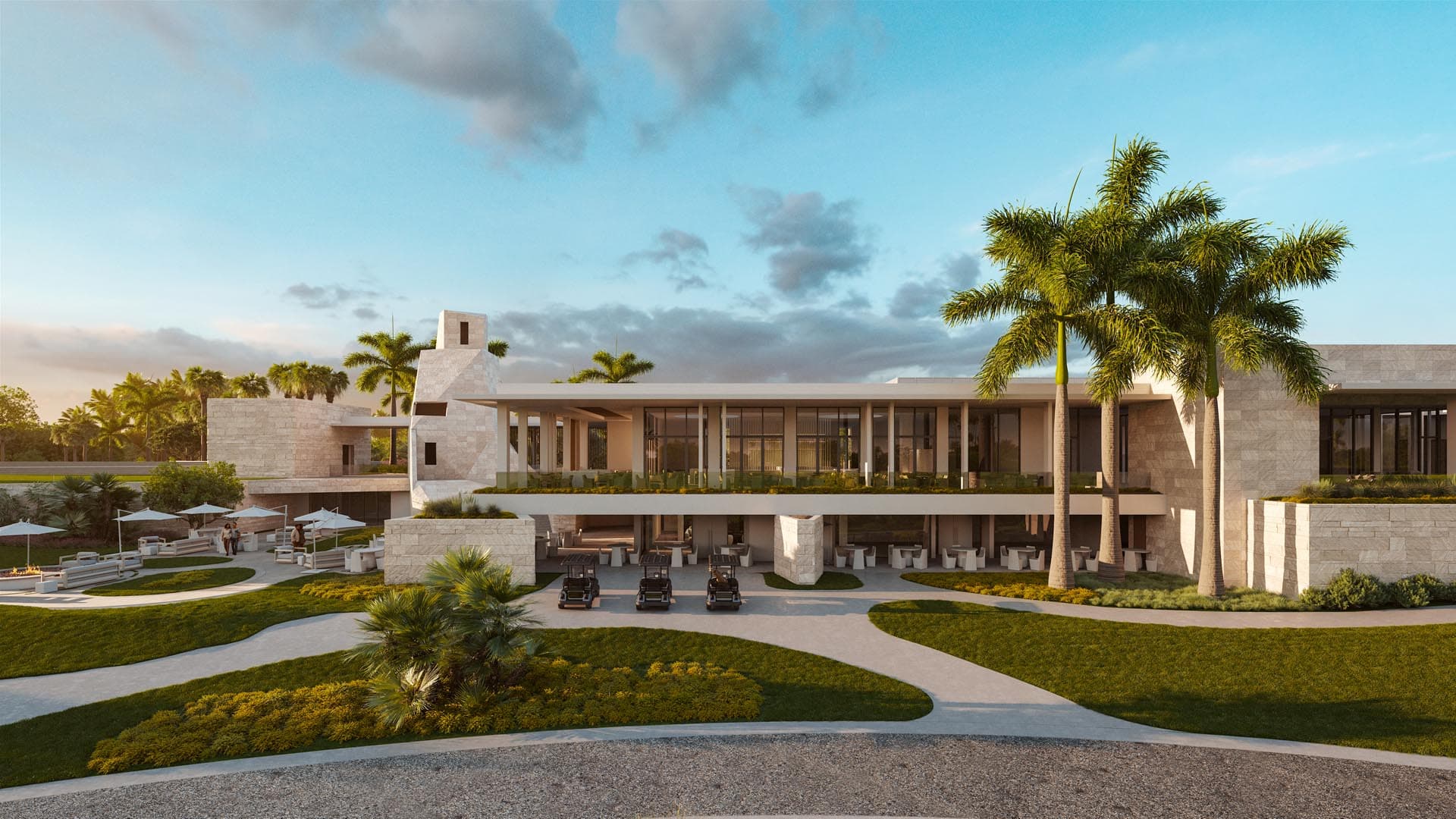
California Golf Club maintains a focused approach to amenities, emphasizing golf operations over extensive recreational facilities. The clubhouse, renovated concurrent with the course project, provides dining and social spaces scaled to the membership while preserving sight lines to the course and bay beyond.
The practice facility received significant attention during the Phillips renovation. A new driving range occupies 15 acres on the property's eastern boundary, providing 300-yard length and multiple target areas. The short-game facility includes two practice greens and a dedicated bunker area for instruction and skill development.
The pro shop operation reflects the club's serious golf orientation, stocking equipment and apparel appropriate for year-round play in the Bay Area's variable conditions. Professional instruction is available through the club's teaching staff, who work with members on both technical improvement and course management specific to Cal Club's restored strategic elements.
Membership
California Golf Club operates as a traditional private club with membership categories including Full Golf, Social, and various age-based classifications. The club maintains a selective membership process, though specific waitlist information is not publicly disclosed.
Membership fees reflect the club's position within the competitive Bay Area private club market, where proximity to San Francisco and Silicon Valley creates premium valuations. The club's improved course conditions and enhanced reputation following the Phillips renovation have strengthened its position relative to regional competitors.
The member composition includes professionals from San Francisco's financial district and Peninsula technology companies, creating a diverse business network. This demographic mix supports the club's financial stability while maintaining the golf-focused culture that defines Cal Club's identity.
Location & Access
California Golf Club's South San Francisco location provides strategic advantages for Bay Area members. The club sits approximately 15 miles south of downtown San Francisco and 30 miles north of San Jose, making it accessible to professionals working in both metropolitan centers.
Highway 101 and Interstate 280 provide primary access routes, with typical drive times of 25-30 minutes from San Francisco's financial district during off-peak hours. San Francisco International Airport lies 10 miles southeast, offering convenience for members with business travel requirements.
The Peninsula location offers year-round playing conditions superior to San Francisco proper. The club's inland position provides protection from coastal fog while maintaining the moderate temperatures that define the region's climate. Average monthly rainfall ranges from less than one inch in summer months to approximately four inches during winter, supporting consistent course conditions.
Recognition
The Phillips renovation elevated California Golf Club's national profile significantly. Golf course ranking publications that previously overlooked Cal Club now include it among California's notable layouts. The restoration of MacKenzie's bunker work and the creation of new holes utilizing previously unused terrain have drawn architectural commentary from golf media.
Industry publications have specifically praised Phillips's approach to tree removal and sight line restoration. The project demonstrates how thoughtful editing can recover architectural values compromised by well-intentioned but ultimately counterproductive modifications.
The club's improved conditions and strategic interest have attracted notice from golf course architecture enthusiasts, who cite Cal Club as an example of successful renovation work that respects original design intent while addressing contemporary needs.