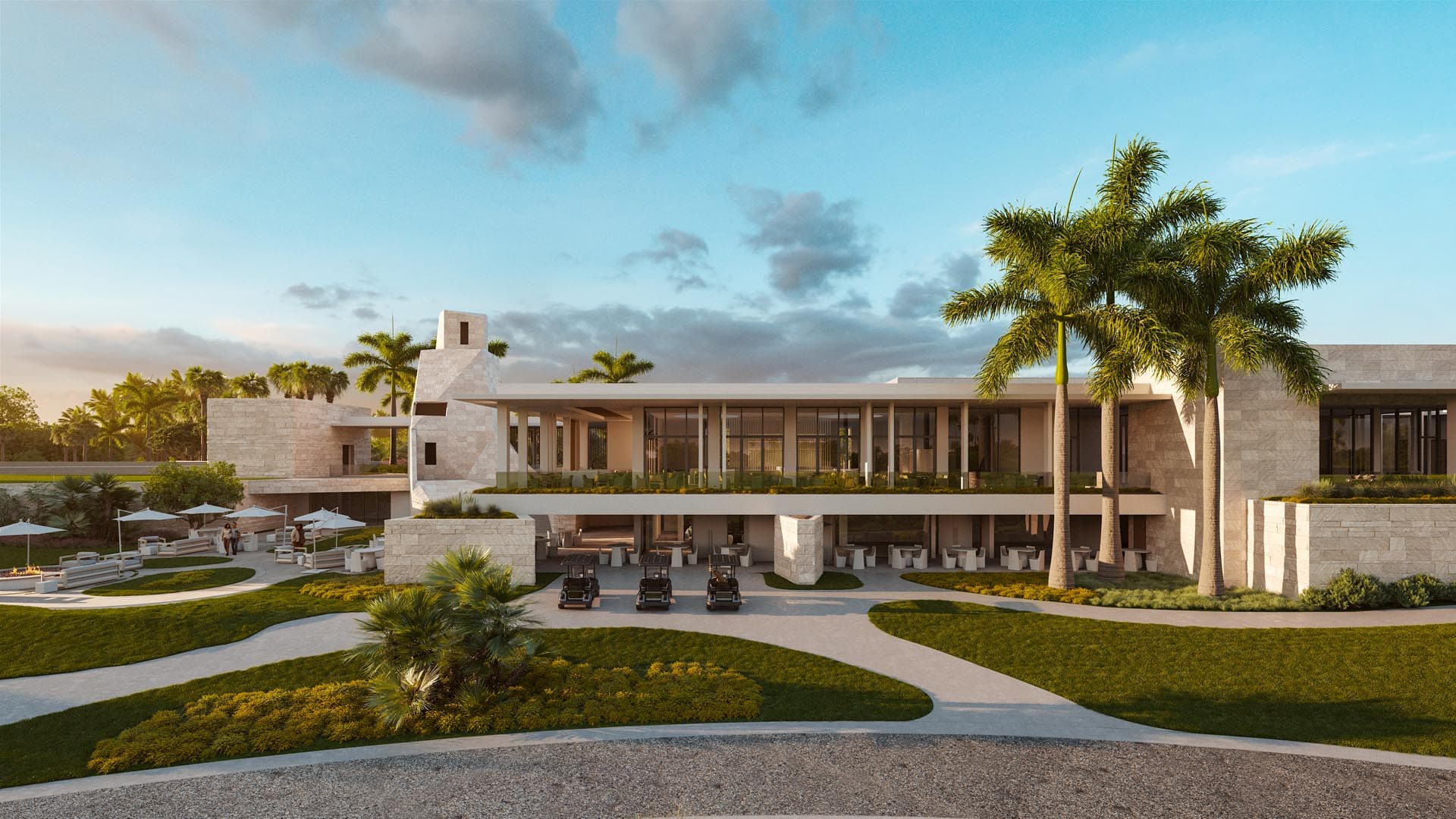
When Ron Garl was commissioned to design Indian River Club in Vero Beach, Florida, the veteran architect faced a familiar challenge: crafting a championship layout that could simultaneously serve the daily needs of discerning members while standing up to competitive play. The result was a 6,914-yard, par-72 design that has anchored this exclusive coastal community for over four decades.
Course Overview
| Specification | Details |
|---|---|
| Architect | Ron Garl |
| Par | 72 |
| Yardage | 6,914 yards |
| Holes | 18 |
| Opening Year | 1970s |
| Location | Vero Beach, Florida |
| Course Rating | Championship-level private course |
| Setting | Coastal Florida terrain |
The Architect: Ron Garl's Florida Legacy
Ron Garl carved his reputation across Florida's golf landscape during a prolific career spanning five decades. Born in 1938, Garl apprenticed under Pete Dye before establishing his independent practice in the 1960s. His Florida portfolio includes over 50 courses, from the acclaimed Killearn Country Club in Tallahassee to the resort-style World Golf Hall of Fame course in St. Augustine.
Garl's design philosophy emphasized strategic options rather than penal architecture. He favored multiple tee positions to accommodate varying skill levels, generous fairways that narrowed at optimal driving distances, and green complexes that rewarded precision while offering recovery options for errant approaches. This approach proved particularly effective in Florida, where year-round play demands courses that remain engaging for members across all handicap ranges.
The architect's work in coastal Florida presented unique challenges. Sea-level elevation changes rarely exceeded 10 feet, forcing Garl to manufacture interest through strategic bunkering, water hazard placement, and subtle green contouring. His mastery of these constraints became evident in projects like Pelican Bay Country Club in Naples and Jonathan's Landing in Jupiter, courses that demonstrate how thoughtful routing can create memorable holes on relatively flat terrain.
Signature Holes
Indian River Club's routing showcases Garl's ability to extract drama from Florida's coastal topography. The course utilizes natural water features and indigenous vegetation to frame holes, while strategic bunkering defines playing corridors and protects green complexes.
The front nine establishes the course's character through a series of holes that gradually introduce players to Garl's strategic concepts. Early holes feature generous landing areas that encourage aggressive driving, while approach shots demand increasing precision as the round progresses. Water hazards appear selectively, typically guarding one side of fairways or greens rather than creating all-or-nothing scenarios.
The back nine traditionally presents Indian River Club's most challenging stretch. Here, Garl incorporated longer carries over water and more severe green-side bunkering. The closing holes demand both distance and accuracy, with several featuring forced carries that test club selection and execution under pressure.
Garl's green complexes at Indian River Club reflect his understanding of Florida's growing conditions. The putting surfaces feature subtle rather than extreme contours, acknowledging that Bermuda grass greens in coastal climates can become lightning-fast during winter months when northern members arrive in greatest numbers. Pin positions offer variety without creating unfair hole locations, ensuring the course plays consistently challenging regardless of daily setup.
Practice Facilities
Indian River Club's practice facilities reflect the comprehensive approach typical of 1970s private club development. The facility includes a driving range positioned to minimize interference with course play, along with dedicated short game areas for chipping and putting practice.
The driving range features multiple target greens at varying distances, allowing members to practice with different clubs and trajectories. Practice bunkers adjacent to the short game area provide opportunities to work on sand play, while the putting green's contours mirror the subtle breaks found throughout the course's greens.
Modern upgrades have enhanced the original practice infrastructure while maintaining its functional design. The facility serves both casual practice sessions and formal instruction, with sight lines that allow teaching professionals to work with students without disrupting other members' practice routines.
Conditioning and Maintenance
Florida's year-round growing season demands intensive maintenance protocols, and Indian River Club's conditioning reflects decades of refined agronomy practices. The course utilizes Bermuda grass throughout, selected for its heat tolerance and recovery characteristics essential in coastal Florida's challenging climate.
Irrigation systems incorporate weather monitoring technology to optimize water usage while maintaining consistent playing conditions. The course's drainage infrastructure, critical in a region receiving over 50 inches of annual rainfall, ensures playability even after severe weather events.
Pest management programs address the unique challenges of coastal golf course maintenance. Salt air exposure requires specialized fertilization protocols, while the region's diverse wildlife population demands integrated management approaches that maintain playing quality while respecting environmental concerns.
Rankings and Recognition
Indian River Club operates within Florida's competitive private club market, where over 200 private courses serve an affluent membership base. The course's reputation rests primarily on member satisfaction rather than national rankings, reflecting the club's focus on providing consistent playing conditions and strategic interest for daily play.
Garl's reputation as an architect has grown considerably since Indian River Club's construction. His later works, including several courses ranked among Florida's top 50, have brought renewed attention to his earlier designs. Golf architecture scholars increasingly recognize the 1970s as a pivotal period when architects like Garl began moving away from purely penal design concepts toward more strategic approaches.
The course's conditioning standards consistently meet the expectations of members accustomed to championship-level facilities. Greens typically run between 9 and 11 on the Stimpmeter, depending on seasonal conditions and tournament requirements.
Tournament History
Indian River Club has hosted various member competitions and regional amateur events throughout its history. The course's 6,914-yard length provides appropriate challenges for competitive play while remaining accessible to recreational golfers from appropriate tee positions.
The layout's strategic design allows tournament organizers to manipulate difficulty through pin positions and tee markers rather than relying on severe architectural features. This flexibility has made the course suitable for events ranging from member-guest tournaments to more formal competitive play.
Club championships and member tournaments benefit from the course's consistent conditioning and strategic variety. Each hole presents multiple playing options, rewarding course management skills over pure distance or aggressive play.