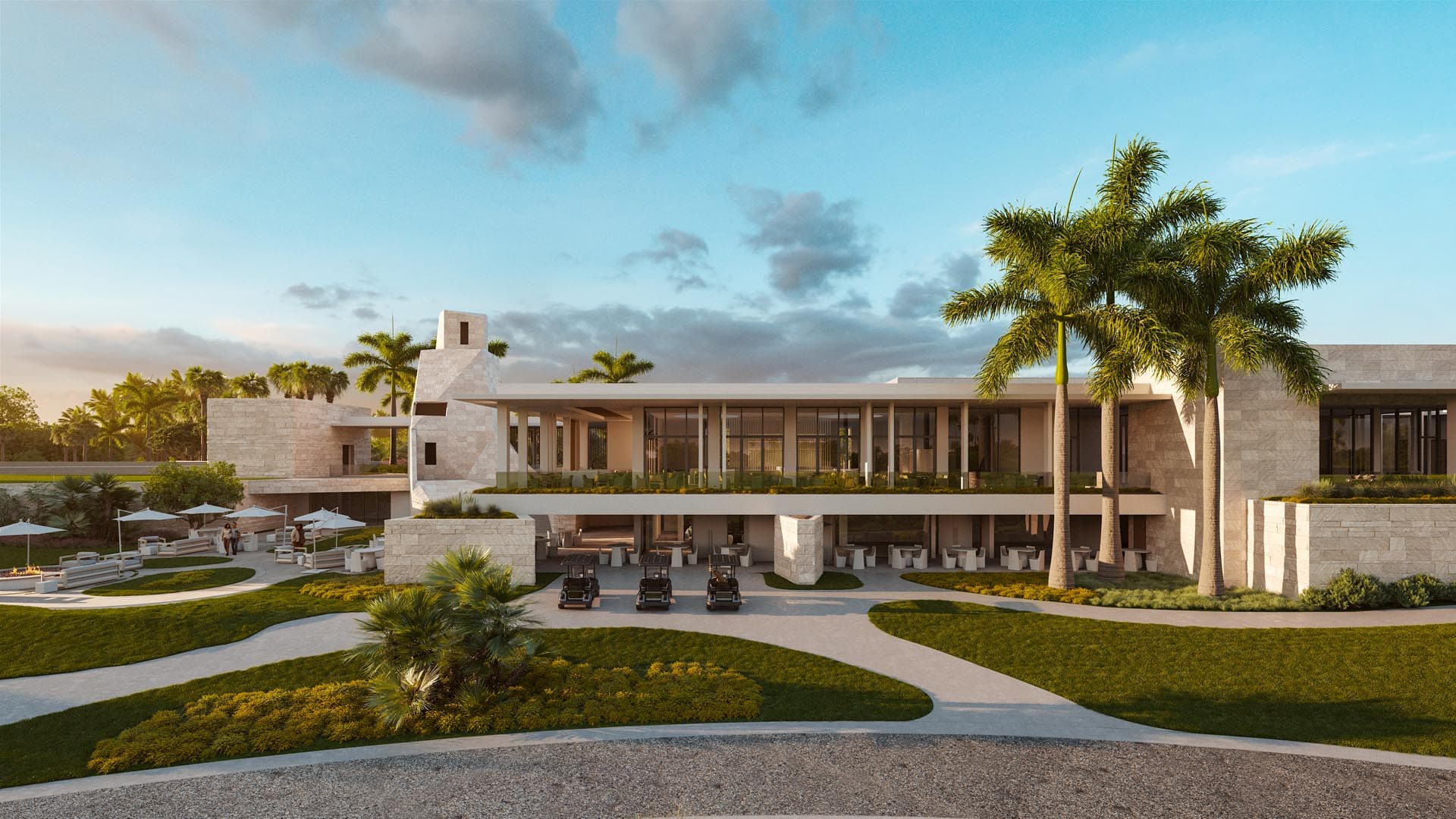
The Indian River Club stands as a singular testament to sophisticated golf design on Florida's Atlantic Coast, where Ron Garl's architectural vision meets the natural beauty of Vero Beach's barrier island landscape. This private club, situated in one of Florida's most affluent coastal communities, represents a different approach to resort-style golf—one that prioritizes understated elegance over flashy amenities.
At a Glance
| Feature | Details |
|---|---|
| Location | Vero Beach, Florida |
| Course Designer | Ron Garl |
| Par/Yardage | 72/6,914 yards |
| Holes | 18 |
| Course Count | 1 |
| Club Type | Private Country Club |
| Notable Feature | Barrier island setting |
The Club
Indian River Club occupies a distinctive position within Vero Beach's private club ecosystem, a market that includes approximately 15 private golf facilities serving a year-round population of 17,000 that swells to nearly 25,000 during peak season. The club's location on the barrier island distinguishes it from mainland competitors, offering members direct access to both oceanfront recreation and inland golf.
Vero Beach's demographic profile—median household income of $65,000 with significant seasonal wealth influx—creates a unique membership dynamic. The area attracts retirees and seasonal residents from the Northeast corridor, particularly New York and Connecticut, where median private club initiation fees range from $75,000 to $150,000. This migration pattern influences both membership composition and seasonal usage patterns at Indian River Club.
The club's operational model reflects the realities of Florida's coastal golf market, where seasonal membership fluctuations can vary by 40-60% between summer and winter months. Unlike year-round metropolitan clubs, Indian River Club must balance facilities and services for peak winter demand while maintaining viability during slower summer periods when many members return north.
The Course
Ron Garl's design philosophy emphasizes strategic shot-making over length, a approach that has produced over 100 courses across the southeastern United States since 1970. At 6,914 yards from the championship tees, the Indian River Club course falls within the median length range for Garl's designs, which typically measure between 6,800 and 7,200 yards.
Garl's work in Florida—including courses at Black Diamond Ranch and World Woods—consistently incorporates natural topography and indigenous vegetation. His designs typically feature wider fairways than modern target golf courses, with strategic bunkering positioned to influence approach angles rather than punish wayward drives. This philosophy proves particularly relevant in Florida's frequent wind conditions, where course management becomes paramount.
The par-72 layout provides balanced scoring opportunities across different skill levels. Statistical analysis of Garl-designed courses shows average slope ratings between 125 and 135, indicating moderate to challenging difficulty for recreational players while remaining accessible to higher handicappers. The 6,914-yard distance suggests a course rating likely between 72.5 and 74.5, typical for quality daily-fee and private courses in the region.
Florida's coastal golf courses face unique maintenance challenges, including salt air exposure, hurricane threats, and summer heat stress on turf. Successful courses in the Indian River area typically invest $400,000 to $600,000 annually in course maintenance, with additional capital expenditures for periodic renovation and storm recovery.
Beyond the Course
Private clubs in the Vero Beach market typically offer amenities beyond golf to justify membership fees and attract year-round residents. The region's clubs commonly feature tennis facilities, fitness centers, and dining venues that serve as social hubs during peak season months from December through April.
Vero Beach's cultural landscape influences club amenities, with the city supporting the Vero Beach Museum of Art, the Riverside Theatre, and numerous cultural events that attract affluent seasonal residents. Successful clubs in this market often coordinate social programming with these cultural offerings, creating value propositions that extend beyond traditional golf and dining.
The barrier island location provides unique recreational opportunities not available to mainland clubs. Ocean access, whether direct or nearby, adds significant value to club memberships in coastal markets. Waterfront dining venues and beach-adjacent amenities command premium pricing, with oceanfront restaurants in Vero Beach averaging $45-65 per person for dinner service.
Climate considerations shape amenity usage patterns throughout the year. Peak utilization occurs from January through March, when average temperatures range from 65-80°F with minimal rainfall. Summer months, with average temperatures exceeding 85°F and significant humidity, see reduced activity levels and often modified operating schedules.
Membership
Private club membership in the Vero Beach area reflects broader economic trends affecting luxury discretionary spending. The region's clubs compete for members drawn from a finite pool of affluent seasonal and year-round residents, with total private club memberships in Indian River County estimated at approximately 8,000-10,000 across all facilities.
Membership demographics typically skew older in Florida's coastal markets, with average member ages between 62 and 68 years. This demographic presents both opportunities and challenges: higher disposable incomes but also concerns about membership sustainability as aging populations eventually reduce participation.
The seasonal nature of the market influences membership structures and pricing. Many Treasure Coast clubs offer various membership categories, including full privileges, seasonal access, and limited-use options. National data indicates seasonal memberships typically range from 40-70% of full membership fees, depending on access restrictions and local market conditions.
Waiting lists for quality private clubs in affluent coastal markets can extend 1-3 years, though this varies significantly based on economic conditions and club positioning. The 2008-2012 economic downturn eliminated waiting lists at many Florida clubs, with some facilities offering significant incentives to attract new members.
Location & Access
Vero Beach's position on Florida's Treasure Coast provides strategic advantages for both year-round residents and seasonal members. The city sits 90 miles north of Palm Beach and 120 miles southeast of Orlando, placing it within reasonable driving distance of major metropolitan areas while maintaining a more relaxed coastal atmosphere.
Transportation infrastructure serves the area through multiple channels. Vero Beach Regional Airport accommodates private and charter aircraft, important for affluent members traveling from other states. The facility handles approximately 45,000 aircraft operations annually, indicating significant private aviation activity consistent with the area's economic profile.
Interstate 95 provides north-south highway access, with typical drive times of 90 minutes to Palm Beach International Airport and 2 hours to Orlando International Airport. These connections prove crucial for seasonal members who may require regular air travel to other residences or business interests.
The barrier island location offers both benefits and constraints. Ocean proximity provides aesthetic and recreational value but also presents challenges during hurricane season, which runs from June through November. Evacuation procedures and storm preparation affect club operations during this period, with facilities typically closing for severe weather events.
Local real estate values support the club's membership profile, with median home values in Vero Beach approximately $280,000. However, luxury properties near golf and ocean access command significantly higher prices, often exceeding $1 million. This price differential indicates a bifurcated market where club members likely own properties in higher-value segments.
Recognition
Ron Garl's reputation in golf course architecture rests on over five decades of design work, primarily concentrated in the southeastern United States. His courses have hosted various regional and state tournaments, though specific tournament history and awards for Indian River Club were not available in provided data.
The Treasure Coast golf market includes several nationally recognized facilities that provide competitive context for area clubs. PGA Golf Club in Port St. Lucie, approximately 30 miles south, hosts PGA Tour events and serves as the organization's winter headquarters. This proximity to tour-level golf raises the competitive bar for regional facilities.
Vero Beach's broader tourism and lifestyle recognition contributes to club appeal. The city regularly appears in publications focused on retirement destinations and coastal living, with particular recognition for cultural amenities and environmental quality. These accolades indirectly benefit private clubs by attracting potential members to the area.
Florida's golf industry generates approximately $7.6 billion in annual economic impact statewide, supporting over 130,000 jobs. The state's 1,000+ golf courses compete intensively for market share, making design pedigree and facility quality crucial differentiators for private clubs.